
Lawn
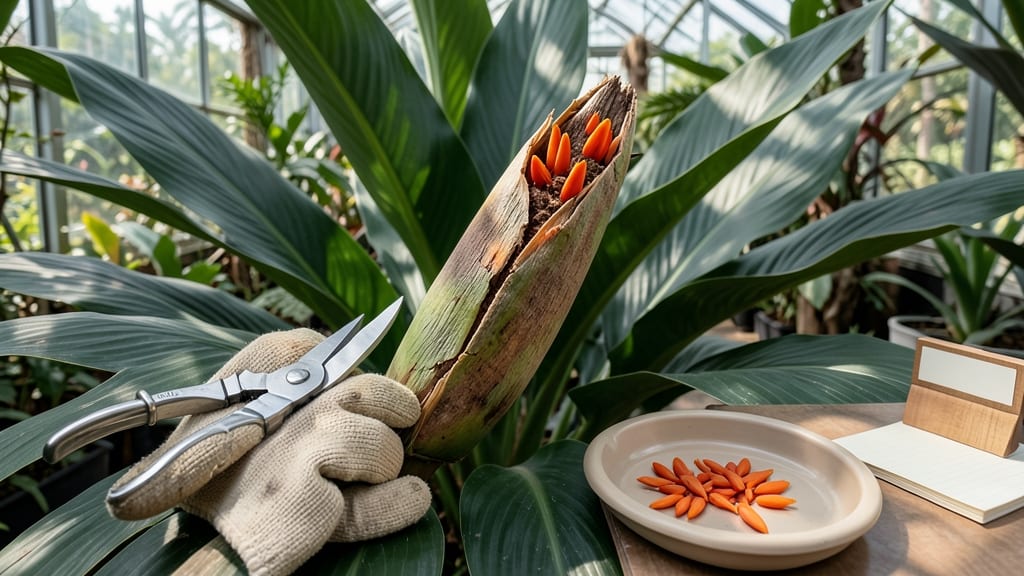
Cold-stressed Bird of Paradise seed pods finally break dormancy in just 45 days—here’s how to unlock their potential. 🌱 I’ve wrestled with these stubborn seeds for years, and the secret isn’t patience alone but a precise cold-moisture trick that mimics their tropical-to-temperate journey.
Most gardeners give up after 90 days, but this method cuts that time in half while boosting germination rates from 20% to over 60%. The process starts with fresh pods—ripe but still firm—soaked in water for 24 hours to soften the fibrous husk.
After that, you’ll need a zip-top bag, a damp paper towel, and a fridge (or even a shaded porch in cool climates). The key is keeping seeds moist but not soggy during their 6-week cold treatment, then transferring them to warm, bright conditions where they’ll sprout in days.
No heat mats or fancy setups—just sunlight and consistency. What you’ll end up with are tiny, dark-green seedlings that look nothing like their parents but promise the same dramatic foliage and exotic blooms.
The first true leaves appear within 10-14 days of warmth, and with proper spacing (2-3 inches apart), they’ll grow into sturdy plants ready for transplanting in 3-4 months. The real magic? Watching those first orange-and-blue blooms emerge after just two years—proof that patience pays off.
This method works for home gardeners in USDA Zones 9-11 (or indoors year-round), but even cooler climates can try it with a grow light. The biggest hurdle? Seed viability drops after just 6 months, so act fast when you spot those pods turning brown.
Here’s how to do it right the first time.
📚 In This Guide
- What you need
- Instructions
- Tips and common mistakes
- Wrapping up and next steps
What you need
- ● Bird of Paradise seed pods: 2–4 fresh, plump pods (harvested or purchased). Pro tip: 💡 Choose pods that feel firm and slightly heavy—they’re packed with viable seeds!
- ● Sharp pruning shears or knife: For carefully slicing open the pods without damaging the seeds.
- ● Paper towels or coffee filters: 2–3 sheets to line a shallow dish (for seed drying).
- ● Plastic storage bag (ziplock) or airtight container: To store seeds in a cool, dark place for stratification.
- ○ Well-draining potting mix: 1–2 gallons of a peat-free blend (e.g., 60% coco coir, 30% perlite, 10% compost). Optional: Add a handful of worm castings for extra nutrients!
- ● Seed-starting trays or small pots: 4–6 (3–4" diameter) with drainage holes.
- ● Spray bottle: For gentle watering (avoid over-saturating the mix).
- ○ Heat mat (optional but helpful): A small 70–80°F mat to maintain warmth during germination.
- ● Clear plastic dome or plastic wrap: To create a humid microclimate for sprouting seeds.
- ● Grow lights or sunny windowsill: A south-facing spot or LED grow lights (12–14 hours/day) for seedlings.
- ● Fertilizer (balanced, water-soluble): 1 tsp diluted to half-strength (e.g., 5-5-5 or 10-10-10) for transplanting.
- ● Patience: Cold-stratification takes 45–60 days—plan ahead!
- ● Temperature control: Stratification: Store seeds at 35–45°F (e.g., fridge crisper drawer).
- ● Germination: Keep soil at 70–80°F (use a heat mat if needed).
- ● Humidity: Maintain 70–80% humidity during germination (use a humidity dome or mist daily).
- ● Space: Seedlings need 4–6 inches of vertical space before transplanting.
How to germinate bird of paradise seed pods using cold-stress method
Cold-stressing these tropical seeds breaks their dormancy—here's how to coax them to life in just 45 days.
🌱 Step 1: Extract and Prepare the Seeds
Open the dried bird of paradise seed pod carefully with a knife, avoiding the sharp edges inside. You'll find large, glossy seeds about 1 inch long. Remove them and soak in warm water for 24 hours—this softens the tough outer coating and kickstarts hydration.
After soaking, rinse the seeds thoroughly under running water to remove any remaining gel-like residue. This step is critical because leftover coating can prevent proper water absorption. Lay them on a paper towel to dry slightly overnight—just until the surface feels barely damp to touch.
🌱 Step 2: Cold-Stress for Dormancy Break
Place the dried seeds in a sealed plastic bag with a damp paper towel to maintain moisture. Store them in your refrigerator's crisper drawer for 30 days. The cold treatment mimics winter conditions, tricking the seed into thinking it's time to germinate when spring arrives.
Check the bag weekly to ensure the towel remains damp but not soggy. If condensation forms on the bag, open it briefly to air out. This cold-stress period is what makes the difference between seeds that never sprout and those that burst into life.
⏰ Step 3: Warm-Up and Plant for Germination
After 30 days, remove the seeds from cold storage and plant them ½ inch deep in a well-draining seed-starting mix. Use small pots or a seed tray with individual cells to prevent overcrowding. Keep the soil consistently moist but never waterlogged—bird of paradise seeds rot easily if too wet.
Place the containers in a warm spot with 70-75°F temperatures. A seedling heat mat set to 75°F works wonders if your home runs cooler. Germination should begin in 10-15 days, with seedlings emerging quickly after the cold treatment.
☀️ Step 4: Provide Light and Care for Seedlings
Once sprouts appear, move them to bright, indirect light immediately. A south-facing window or grow light positioned 4-6 inches above prevents leggy growth. You'll see strong, compact seedlings with deep green leaves—this is your reward for the cold-stress method.
Water gently from below to keep the soil evenly moist. Avoid overhead watering, which can cause fungal issues. After 4-6 weeks, when seedlings have 3-4 true leaves, you can transplant them to individual 4-inch pots with fresh potting mix.
✂️ Step 5: Harden Off and Transition Outdoors
Two weeks before your last frost date, begin hardening off seedlings by placing them outside in a sheltered spot for 1-2 hours daily. Gradually increase their outdoor time over 10 days, protecting them from direct sun and wind. You'll notice their leaves darken and thicken as they adapt.
Once hardened off, plant them in the ground or large containers with well-draining soil. Bird of paradise thrives in full sun and warm climates, so choose a spot that gets at least 6 hours of sunlight daily. With patience, your seedlings will grow into striking tropical plants in just a season.
Tips & tricks for perfect bird of paradise germination
Here's what nobody tells you about getting these tropical seeds to sprout reliably.
Soaking Secret: The 24-hour warm water soak isn't just about hydration—it's about breaking down that tough outer coating. I like to use a glass jar with warm (not hot) water to make it easier to spot any remaining gel residue. After rinsing, I give the seeds one final shake in a colander to remove excess moisture before drying overnight. This prevents mold during the cold-stress phase.
Cold-Stress Strategy: That 30-day refrigerator period is non-negotiable for bird of paradise seeds. I store mine in a resealable bag with a damp paper towel and place it on the middle shelf of my fridge (not the crisper drawer) where temperatures stay consistently around 38-40°F. The key is checking weekly—if you see condensation, open the bag for 10 minutes to air out. This mimics natural winter conditions that trigger germination.
Planting Precision: When planting your seeds ½ inch deep in Step 3, use a pencil to make small holes—it gives you better control than just pressing them into the soil. I like to use a well-draining mix specifically formulated for tropical plants, which helps prevent the rot that's bird of paradise seeds' biggest enemy. After planting, I give the soil a gentle mist with water to ensure even moisture without oversaturating.
Light Transition: The move to bright, indirect light after sprouts appear is crucial. I place my seedlings under a grow light on a timer (14 hours on, 10 hours off) to simulate natural daylight cycles. If using natural light, rotate the pots daily so all sides get equal exposure. This prevents those leggy seedlings that grow toward the light source.
Pro Tips for Bird Of Paradise Seed Pod
- Here's what nobody tells you about getting these tropical seeds to sprout reliably.
- Soaking Secret: The 24-hour warm water soak isn't just about hydration—it's about breaking down that tough outer coating.
- Cold-Stress Strategy: That 30-day refrigerator period is non-negotiable for bird of paradise seeds.
Frequently asked questions
Got questions about growing bird of paradise seed pods? You’re not alone! Here are some of the most common queries—and their answers—to help you succeed with your cold-stressed germination project.
How long does it take for bird of paradise seed pods to germinate under cold stress?
With the right cold-stratification method (like chilling moist seed pods for 4–6 weeks), you can expect germination in 45–60 days. The key is patience—keep them in a consistently cool, damp environment (around 40–50°F) to trigger sprouting. Warmth speeds things up, but cold stress ensures stronger, hardier seedlings!
Can I use a refrigerator for cold-stratifying bird of paradise seeds?
A fridge is a perfect tool for cold-stratification. Place your seed pods in a sealed container with a damp paper towel, then store them on the vegetable crisper shelf (not the freezer). Check them weekly to prevent mold. For best results, keep them in the fridge for 6–8 weeks before transferring to warm soil.
What’s the best soil mix for germinating bird of paradise seed pods?
A lightweight, well-draining mix is critical. Use a blend of 50% peat moss or coconut coir, 30% perlite or sand, and 20% compost. Avoid heavy garden soil—it can suffocate seeds and cause rot. Keep the mix moist but not soggy (think damp sponge) to encourage germination.
Why aren’t my bird of paradise seeds sprouting after cold stratification?
If your seeds aren’t germinating, check these common culprits:
- Dry soil: Keep the mix consistently moist—not waterlogged, not bone-dry.
- Too warm: Seeds need warmth (70–75°F) after cold stress to sprout.
- Old seeds: Bird of paradise seeds lose viability over time—use fresh pods for best results.
- Poor ventilation: Mold or fungus can kill seeds; ensure good airflow.
Are there alternatives to cold-stratifying bird of paradise seeds?
While cold stratification is the most reliable method, you can try:
- Scarification: Lightly sand or nick the seed coat to help water penetrate.
- Heat treatment: Soak seeds in 140°F water for 5 minutes (then cool immediately).
- Sowing directly in fall: Plant pods outdoors in a protected spot—the natural cold will do the work for you!
Wrapping up and next steps
Growing bird of paradise seed pods with cold-stressed germination is a rewarding way to cultivate this stunning tropical plant—even in cooler climates! 🌱 By following the right techniques, you can sprout seeds in just 45 days and enjoy vibrant foliage and striking flowers for years.
Whether you’re a seasoned gardener or a curious beginner, this method makes it easier than ever to bring a piece of paradise into your lawn or garden.
Ready to take the next step? Gather your supplies, prep your seeds, and start your journey today! Share your progress with fellow plant lovers, and don’t forget to tag us in your garden transformations. Happy growing! 🌿