
Lawn
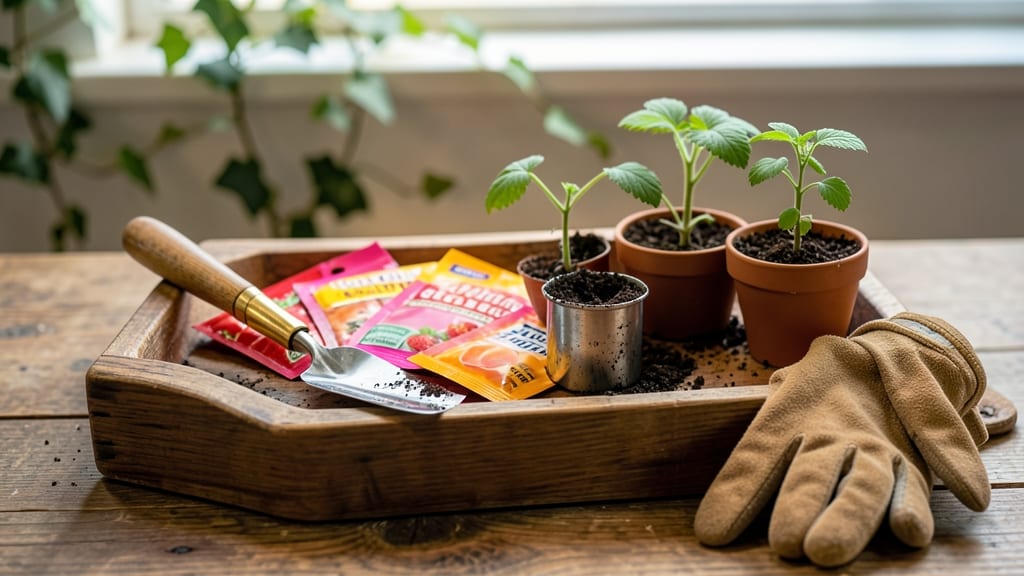
Fruit seed packets transform scraps into next year's harvest—no waste, just abundance. 🌱 I started with a single tomato seed from my last summer's fruit and now grow heirloom varieties my grocery store doesn't carry.
These tiny packets hold potential for flavorful tomatoes, spicy peppers, or berries you can't buy fresh. The magic begins with soil prep: loose, well-draining mix with compost for nutrients. Plant seeds at 1/4-inch depth, keep them moist (not soggy), and watch for sprouts in 7-14 days.
Hybrid seeds may not produce true-to-type fruit, but heirlooms give you the real deal—saving seeds becomes part of the joy. By summer, you'll be harvesting fruit from seeds you planted yourself.
The first taste of a homegrown tomato grown from a saved seed is a game-changer—sweeter, more flavorful, and completely zero-waste. Works for any fruit you can grow from seed, from citrus to stone fruits. Here's how to make it work in your space!
📚 In This Guide
- What you need
- Instructions
- Tips and common mistakes
- Wrapping up and next steps
What you need
- ● Fruit seed packets: 1–5 packets (depending on variety—think mango, citrus, avocado, or passionfruit!)
- ● Potting soil: 1–2 bags (sterile, well-draining mix; avoid garden soil unless sterilized)
- ● Seed-starting trays or small pots: 2–6 (2–3" deep, with drainage holes)
- ● Plastic wrap or humidity dome: 1 (to retain moisture)
- ● Spray bottle: 1 (for gentle watering)
- ● Grow lights or sunny windowsill: 1 (LED grow lights work great for indoor setups)
- ● Labeled markers: 1 set (to track seed types and planting dates)
- ● Seedling heat mat: 1 (speeds up germination for slower seeds like citrus)
- ● Fertilizer (balanced or organic): 1 small bottle (dilute to half-strength for young seedlings)
- ● Transplanting pots: 3–5 (3–4" size, for moving seedlings outdoors)
- ● Pruning shears: 1 (for trimming leggy seedlings later)
- ● Garden journal: 1 (to log growth progress and tips!)
Step-by-step guide to growing fruit trees from seed packets
Here’s how I turn those tiny seed packets into thriving fruit trees—no green thumb required.
🌱 Step 1: Prep Seeds for Faster Germination
Start by soaking the seeds in warm water for 12-24 hours. This softens the outer shell and speeds up sprouting. I use a small bowl of water—just enough to cover the seeds—and let them sit in a warm spot. You’ll know they’re ready when they double in size and feel slightly plump.
After soaking, drain the water and let the seeds air-dry for 10-15 minutes on a paper towel. This prevents mold and keeps the soil from getting too soggy later. I like to spread them out on a clean towel and let them sit while I prep the planting mix. Skipping this step can lead to seeds rotting before they even sprout.
🪴 Step 2: Plant Seeds in Moist, Well-Draining Soil
Fill small pots or seed trays with a mix of 50% potting soil and 50% perlite or vermiculite to improve drainage. Press the mix down gently—just enough to create a firm surface, but don’t compact it. Moisten the soil until it’s damp but not dripping, then make small holes about ½ inch deep with your finger.
Place one seed in each hole and cover it lightly with soil. I use a small spoon to avoid burying the seeds too deep, which can slow germination. Label the pots with the fruit type and date—trust me, you’ll forget which is which after a few weeks. Keep the pots in a warm, shaded area until sprouts appear, usually within 7-21 days, depending on the fruit.
☀️ Step 3: Provide Consistent Light and Water
Once seedlings emerge, move them to a spot with bright, indirect light. A south-facing window works, but if your light is weak, supplement with a grow light for 12-14 hours daily. You’ll know they’re getting enough light when the leaves are dark green and the stems are sturdy—not leggy or stretching toward the window.
Water the seedlings when the top inch of soil feels dry. I use a spray bottle for gentle watering to avoid disturbing the delicate roots. Overwatering is the biggest mistake here—it causes damping-off, a fungal disease that kills seedlings overnight. Let the soil dry slightly between waterings to keep the roots healthy.
✂️ Step 4: Thin and Transplant When Ready
If you planted multiple seeds in one pot, thin the seedlings to the strongest one once they have 2-3 true leaves. Snip the weaker stems at the base with clean scissors—this prevents competition for nutrients. Keep the remaining seedling in its pot for another 4-6 weeks to build stronger roots before transplanting.
Choose a permanent spot with full sun (6+ hours daily) and well-draining soil. Dig a hole twice as wide as the seedling’s root ball but only as deep as the pot. Gently remove the seedling, place it in the hole, and fill in with soil, pressing lightly to remove air pockets. Water deeply to help the roots settle in.
🌿 Step 5: Care for Young Trees Through the First Year
Fruit trees need patience—don’t expect fruit for 3-5 years, but you can shape the tree early. Prune any dead or crossing branches with clean pruners, cutting just above a leaf node. This encourages a strong, open structure. I also mulch around the base with 2-3 inches of organic mulch to retain moisture and suppress weeds.
Fertilize lightly in spring with a balanced, slow-release fertilizer to support growth. Watch for pests like aphids or spider mites—if you see them, treat with neem oil or insecticidal soap. With consistent care, your seedling will grow into a productive tree, and you’ll have fresh fruit straight from your zero-waste pods.
Tips & tricks for growing fruit trees from seed packets
Real talk: Turning those tiny seed packets into fruit trees takes patience, but these tricks will help you avoid the most common pitfalls.
Soaking Secret: For seeds that feel especially hard, try soaking them in warm water with a pinch of honey (just a teaspoon) during the 12-24 hour soak. The honey acts as a natural antifungal and helps soften tough seed coats. I’ve noticed this speeds up germination for seeds like avocado or citrus, which can be stubborn. Just remember to rinse them well before planting.
Soil Mix Hack: If you don’t have perlite or vermiculite, crush up egg shells and bake them at 200°F for 10 minutes to sterilize. Mix these crushed shells (about 10%) into your 50% potting soil to improve drainage without buying extra supplies. The calcium from eggshells also benefits young seedlings.
Light Troubleshooting: If your seedlings start stretching toward the light (a sign of legginess), it’s not too late to fix it. Move them closer to the window or grow light and rotate the pots daily so all sides get even exposure. This prevents weak stems that can snap easily. I’ve saved many seedlings this way—just give them a little extra attention during those first critical weeks.
Transplanting Timing: When thinning seedlings in Step 4, don’t rush to transplant the strongest one just because it’s the biggest. Wait until you see new growth after the 4-6 week period in the pot—that’s your sign the roots are established enough for the move. I’ve made the mistake of transplanting too soon, and the seedlings struggled to recover.
Pro Tips for Fruit Seed Packets
- Real talk: Turning those tiny seed packets into fruit trees takes patience, but these tricks will help you avoid the most common pitfalls.
- Soaking Secret: For seeds that feel especially hard, try soaking them in warm water with a pinch of honey (just a teaspoon) during the 12-24 hour soak.
- Soil Mix Hack: If you don’t have perlite or vermiculite, crush up egg shells and bake them at 200°F for 10 minutes to sterilize.
Frequently asked questions
Got questions about growing fruit from seed packets? You’re not alone! Here are some of the most common queries—and their straightforward answers—to help you get started with confidence.
Do fruit seeds from packets grow true to the parent plant?
Not always! Many fruit seeds (like those from hybrid varieties) won’t produce fruit identical to the parent. For example, a seed from a store-bought apple might grow into a completely different tree. To ensure consistency, opt for heirloom or open-pollinated seeds labeled for fruit production.
How long does it take for fruit trees to bear fruit from seed?
Patience is key—fruit trees grown from seed can take 3 to 10 years to bear fruit, depending on the species. Citrus or stone fruits (like peaches) may fruit faster, while tropical varieties (e.g., mangoes) can take a decade or more. Grafting (a common practice) speeds this up to 1–3 years.
Can I grow fruit from seed packets indoors year-round?
Start seeds indoors under grow lights (12–16 hours/day) in a warm spot (70–85°F). Use seed-starting mix, keep soil moist, and transplant outdoors after the last frost. For tropical fruits (e.g., avocados), move pots indoors in winter. Just ensure your space mimics their natural climate needs!
What’s the best way to store unused fruit seed packets?
Store packets in a cool, dry place (like a pantry or fridge) away from direct sunlight. Keep them in airtight containers with silica gel packets to absorb moisture. Label each with the date and variety—seeds typically stay viable for 1–5 years, depending on the type.
Why did my fruit seedling die? Common troubleshooting.
- Overwatering: Seeds need moisture, but soggy soil causes rot. Use well-draining pots and water only when the top inch feels dry.
- Underwatering: Drooping leaves? Check soil moisture—seeds need consistent dampness (not soggy).
- Pests: Tiny holes or wilting? Inspect for aphids, fungus gnats, or mold. Use neem oil or introduce beneficial insects.
- Temperature shock: Sudden cold snaps? Move seedlings indoors or use row covers until stable temps return.
Pro tip: Take photos of issues—it helps diagnose problems faster!
Wrapping up and next steps
Growing your own fruit from seed packets isn’t just rewarding—it’s a game-changer for sustainable living! 🌱 With minimal effort, you can enjoy fresh, homegrown produce year-round while cutting waste and boosting your garden’s biodiversity.
Whether you’re a seasoned gardener or just starting out, these zero-waste pods make it easier than ever to cultivate your favorite fruits.
Ready to take the next step? Start small—pick a few seed packets, gather your supplies, and let nature do the rest. Your future harvest (and the planet!) will thank you. Happy planting! 🌟