
Planting
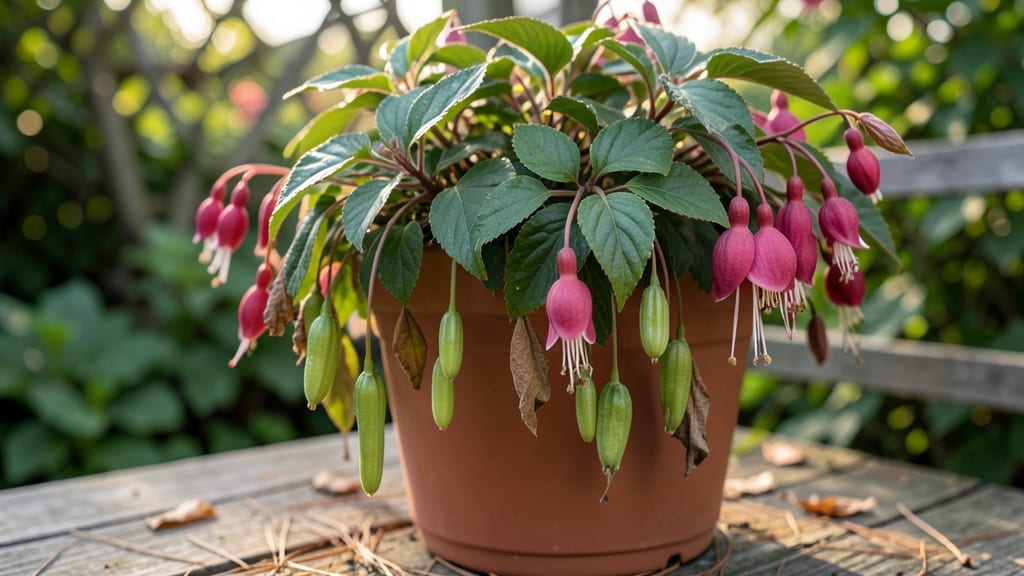
Harvesting fuchsia seed pods transforms last season’s blooms into next year’s thriving plants—without the stress of buying cuttings. 🌱 I’ve collected hundreds of these delicate pods, and the key is patience: wait until they’re dry, brown, and paper-thin before touching them.
One wrong move, and the seeds scatter like confetti. The process starts with gentle handling—no pruning shears, just your fingers to twist open the pods and release the tiny, dark seeds inside.
Spread them on a paper towel to dry for a week, then store them in an envelope until spring. These seeds are finicky, but with the right timing and soil warmth, they’ll sprout faster than you’d expect.
By late winter, you’ll watch those first fuzzy seedlings push through the soil, their leaves unfolding like tiny umbrellas. The payoff? A garden bursting with fuchsias in every shade—pink, purple, and white—that you grew from seed yourself.
Works for both trailing and upright varieties, and even beginner gardeners can master this. Here’s how to avoid the most common mistakes and get every seed to germinate.
📚 In This Guide
- What you need
- Instructions
- Tips and common mistakes
- Wrapping up and next steps
What you need
- ● Mature fuchsia plants: Choose healthy, flowering plants (at least 1–2 years old) with fully developed seed pods (they’ll turn brown and papery when ready).
- ● Pruning shears or scissors: Sharp, clean pair (sterilized with rubbing alcohol) to snip pods without damaging stems.
- ● Paper bags or brown lunch bags: 3–5 bags (1 per 5–10 pods) for drying—ensure they’re breathable to prevent mold.
- ● Labeling tags or masking tape: To mark bags with plant variety and harvest date (e.g., "Fuchsia ‘Giant Marble’ – June 2024").
- ● Fine-mesh sieve or strainer: For separating seeds from chaff (a kitchen strainer works in a pinch!).
- ● Paper towels or coffee filters: 2–3 sheets to line a shallow tray for seed drying.
- ● Small plastic containers or envelopes: Airtight, labeled storage for cleaned seeds (e.g., repurposed spice jars).
- ● Desiccant packets: Place 1–2 in seed bags to absorb excess moisture during drying.
- ● Hand lens or magnifying glass: For inspecting seed viability (look for plump, firm seeds!).
- ● Seed catalog or notebook: To track germination rates by variety over time.
- ● Humidity tray (DIY): A shallow tray with water and pebbles to maintain 40–50% humidity if drying indoors.
- ● Latex gloves: To keep hands clean when handling damp pods or seeds.
How to harvest fuchsia seed pods for healthy germination
Here’s my foolproof method for collecting fuchsia seed pods—no guesswork, just reliable seeds.
🌱 Step 1: Identify and Select Mature Seed Pods
Wait until the pods turn from green to a dry, papery brown color—this signals full maturity. A mature pod will feel slightly crispy when gently squeezed, while green pods stay firm and plump. I like to harvest on a dry morning so the pods don’t stick to my fingers.
Look for pods that have naturally detached from the plant or are hanging loosely. If you pick them too early, the seeds inside won’t be fully developed. A good pod will open easily when pinched, revealing tiny black seeds inside. Avoid pods with visible mold or holes—those won’t yield viable seeds.
✂️ Step 2: Harvest and Prepare the Pods
Use clean, sharp scissors or fingers to snip the pods from the stem. Hold the pod gently and twist it off—don’t pull too hard or you might damage the plant. Place the pods in a paper bag (not plastic) to allow airflow and prevent moisture buildup, which can cause rot.
Let the pods dry completely in a warm, dry spot for 3-5 days. You’ll know they’re ready when they crumble easily between your fingers. If you rush this step, the seeds may not germinate properly. I usually leave them on a windowsill where they get indirect light—no direct sun needed.
🌿 Step 3: Extract and Store the Seeds
Once dry, open the pods carefully over a clean sheet of paper or a small tray. The seeds will scatter easily, so I like to tap the pods gently with a spoon to release them. Fuchsia seeds are tiny and black, so they’ll stand out against a light background like white or light gray paper.
Use a soft brush or your finger to collect the seeds into a small envelope or airtight container. Label it with the fuchsia variety and the harvest date—seeds stay viable for 1-2 years if stored in a cool, dry place. Avoid refrigeration unless you’re storing them long-term, as humidity can ruin them.
💧 Step 4: Prep Seeds for Planting (Optional but Recommended)
Fuchsia seeds benefit from a quick soak to soften their tough outer coating. Place them in a small bowl of lukewarm water for 12-24 hours before planting. This step isn’t mandatory, but it speeds up germination by breaking down the seed’s natural dormancy. Just don’t let them sit too long—they’ll swell and may rot.
After soaking, drain the seeds and plant them 1/8 inch deep in a moist, well-draining seed-starting mix. Keep the soil consistently damp (not soggy) and cover the container with plastic wrap until sprouts appear. Germination can take 2-4 weeks, so be patient—fuchsias aren’t fast starters.
☀️ Step 5: Provide Ideal Growing Conditions
Once seedlings emerge, remove the plastic wrap and place them under bright, indirect light. A south-facing window works well, but if your space is dim, supplement with a grow light kept 4-6 inches above the plants. Fuchsias hate direct midday sun—it scorches their delicate leaves.
Water gently from the bottom to avoid disturbing the tiny roots. Keep the soil lightly moist but never waterlogged. When seedlings develop their first true leaves (not the initial seed leaves), you can transplant them into individual pots. This usually happens in 4-6 weeks after germination.
Tips & tricks for perfect fuchsia seed pod harvesting
Here's what nobody tells you about getting the most viable seeds from your fuchsia plants.
Pod Maturity Check: In Step 1, when testing pod maturity, squeeze gently—it should crumble like dry paper, not spring back like a green pod. I've learned the hard way that even slightly green pods yield weak seeds. If you're unsure, wait another day or two. The extra patience pays off with stronger seedlings.
Drying Strategy: The 3-5 day drying period in Step 2 is crucial, but don't just toss them anywhere. I place my pods on a mesh screen over a baking sheet in a warm spot (around 70°F) to ensure airflow on all sides. This prevents any hidden moisture that could cause mold during storage. A fan on low speed helps speed this up safely.
Seed Extraction Hack: For Step 3, I've found that freezing the completely dry pods for 10 minutes first makes them shatter when tapping, releasing every last seed. Just be sure they're bone dry first—any moisture will cause them to stick together. This method catches seeds that might otherwise hide in the pod's corners.
Soaking Safety: When prepping seeds for planting in Step 4, that 12-24 hour soak is your window for success. I set a timer and check them hourly after 12 hours to prevent over-soaking. The seeds should look slightly plump but not swollen like tiny water balloons. If they float, they're done—drain and plant immediately.
Pro Tips for Fuchsia Plant Seed Pods
- Here's what nobody tells you about getting the most viable seeds from your fuchsia plants.
- Pod Maturity Check: In Step 1, when testing pod maturity, squeeze gently—it should crumble like dry paper, not spring back like a green pod.
- Drying Strategy: The 3-5 day drying period in Step 2 is crucial, but don't just toss them anywhere.
Frequently asked questions
Got questions about harvesting and saving fuchsia seed pods?
You’re not alone! Here are some of the most common queries—plus clear, no-stress answers to keep your fuchsia seeds thriving.
When are fuchsia seed pods ready to harvest?
Harvest seed pods when they turn completely brown and feel dry to the touch—usually 6–8 weeks after flowering. Avoid harvesting too early (green pods won’t contain viable seeds), but don’t wait too long or they’ll split open and scatter seeds prematurely. Pro tip: Gently tap pods to check for rattling seeds inside!
How do I store fuchsia seeds to ensure viability?
Once harvested, let pods dry further in a paper bag for 1–2 weeks in a cool, dark place. Then, remove seeds and store them in an airtight container with a damp paper towel (to maintain moisture) in the fridge for up to 6 months. Warning: Avoid plastic bags—condensation can cause mold!
Why aren’t my fuchsia seed pods forming?
Seed pods may skip formation due to lack of pollination (fuchsias need bees or wind) or over-fertilizing (too much nitrogen = more flowers, fewer seeds). Try hand-pollinating with a soft brush or move plants to a sunnier spot. Bonus: Cooler temps (60–70°F) also encourage pod development!
Can I grow fuchsias from seed pods instead of buying seeds?
Yes
, but expect slower growth (seedlings take 1–2 years to bloom vs. 6 months for cuttings). Start seeds indoors in spring for best results. Pro tip: Mix seed pods with sand to prevent damping-off disease in moist soil.
What if my seed pods split open before I harvest them?
Don’t panic! If pods crack early, collect scattered seeds immediately and dry them as usual. To prevent future losses, cover plants with mesh bags once pods form. Quick fix: Use a paper envelope to catch falling seeds—no waste!
Wrapping up and next steps
Harvesting fuchsia plant seed pods is a rewarding way to propagate these stunning bloomers—and it’s easier than you think! 🌸 By following the right timing, tools, and techniques, you’ll ensure healthy seeds for future gardens.
Whether you’re a seasoned gardener or a curious beginner, this process opens the door to growing vibrant fuchsias year after year.
Ready to dive in? Start by observing your plants this season—watch for those telltale seed pods and follow the steps above. Soon, you’ll be sharing your own homegrown fuchsia seeds with fellow plant lovers. Happy gardening! 🌱