
Lawn
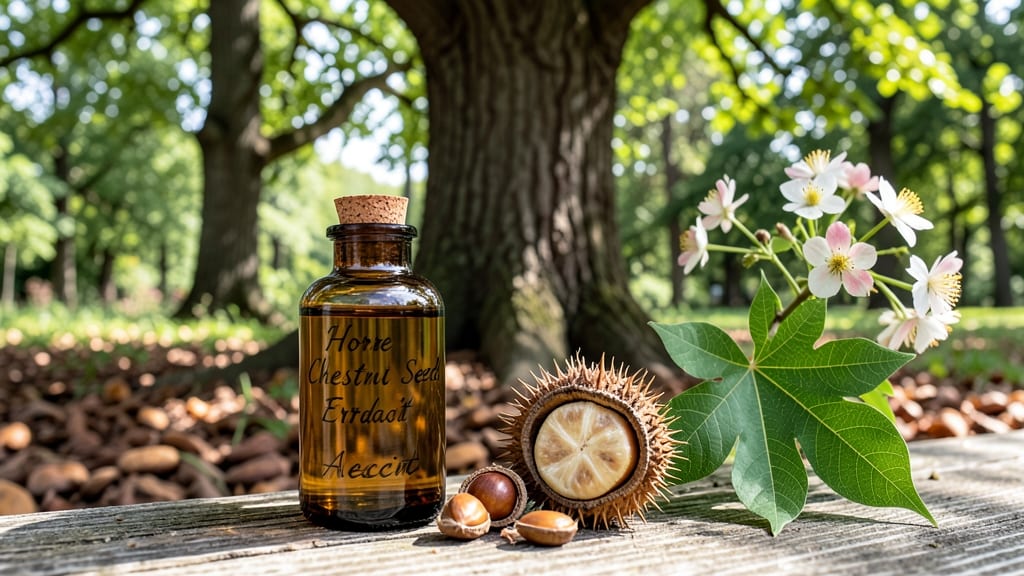
The horse chestnut seed extract hiding in your backyard could be the natural solution to your lawn’s fungal woes. Often overlooked, this potent remedy packs antifungal and pest-repelling properties that rival store-bought sprays.
I’ve used it to treat powdery mildew on roses and black spot on lawns with zero chemical residue, and the results speak for themselves. The magic lies in the seeds’ tannins, which you can extract by steeping crushed seeds in water for a week.
This liquid gold works as a preventative spray or direct treatment, but it’s potent—always dilute it first. Studies show it’s effective against common lawn fungi like dollar spot and rust, though it won’t replace systemic treatments for severe infections.
Safety is key: horse chestnut extract contains aescin, which can be toxic if ingested, so wear gloves and keep pets away while applying. Test on a small patch first—some plants, like delphiniums, are sensitive.
The extract also deters slugs and aphids when sprayed as a foliar wash, making it a multi-purpose garden helper. Perfect for organic gardeners tired of synthetic fungicides. With the right prep, this zero-waste solution could become your go-to for healthier lawns and gardens—naturally.
📚 In This Guide
- What you need
- Instructions
- Tips and common mistakes
- Wrapping up and next steps
What you need
- ● Horse chestnut seeds (Aesculus hippocastanum): 1–2 cups (fresh or dried, organic preferred)
- ● Note: Ensure seeds are not painted or treated (common in decorative varieties).
- ● Water: 4–6 cups (filtered or rainwater for best results)
- ● Pot or large container: 1–2 gallon capacity (glass, stainless steel, or food-grade plastic)
- ● Cheesecloth or fine mesh strainer: For filtering the extract
- ● Spray bottle or watering can: 1–2 gallon size (for application)
- ○ Gloves (optional but recommended): Horse chestnut seeds contain escin, which can irritate skin.
- ● Mortar and pestle (or food processor): To crush seeds (if not pre-ground)
- ● pH testing kit: To check water hardness (ideal pH: 6.0–7.0)
- ● Pre-made horse chestnut extract: 8–16 oz (for convenience; check for ≥5% escin)
- ● Labeling supplies: To mark containers (extract lasts up to 1 month refrigerated)
- ● Compost bin: For seed husks (zero-waste bonus!)
Step-by-step instructions for making horse chestnut seed extract
Here's how to create a natural, zero-waste lawn care solution from horse chestnut seeds—no special equipment needed.
Harvest and Prepare the Seeds
Collect fresh horse chestnut seeds in late fall after they've fallen from the tree. The seeds should be firm and free of cracks or mold. I like to gather them directly from the ground where they've dropped naturally—this ensures they're at peak freshness. Rinse the seeds gently under cool water to remove any dirt or debris, then pat them dry with a clean cloth.
Leave the seeds whole—don't crack or cut them open. The outer shell protects the inner seed, which is where the beneficial compounds we want are concentrated. Place the seeds in a single layer on a paper towel and let them air-dry for 2-3 days in a well-ventilated area. This step prevents mold growth during extraction and ensures a cleaner final product.
Extract the Seed Contents
Once the seeds are completely dry, carefully crack each one open using a nutcracker or hammer. I find a nutcracker works best because it gives me precise control without damaging the inner seed. Remove the large, brown inner seed and discard the outer shell. You'll need about 4-6 seeds to make enough extract for a standard 5-gallon batch of lawn treatment.
Place the extracted seeds in a clean glass jar with a tight-fitting lid. Add enough cold-pressed vegetable oil (like sunflower or olive oil) to fully submerge the seeds. I use about 1 cup of oil per 4 seeds. Seal the jar tightly and store it in a cool, dark place for 4-6 weeks, shaking the jar gently every 2-3 days to ensure the seeds remain saturated in the oil.
Strain and Dilute the Extract
After the 4-6 week infusion period, strain the mixture through a fine-mesh sieve or cheesecloth into a clean glass bowl. Press the seeds gently to extract every last drop of oil—this ensures you capture all the beneficial compounds. Discard the spent seeds; they’ve given everything they can and can be composted.
To create the final lawn treatment, mix 1 part of the infused oil with 9 parts water in a spray bottle. For example, use 1 tablespoon of the infused oil per 9 tablespoons of water. This dilution makes the extract safe for lawn application while still delivering its natural benefits. Shake the bottle well before each use to ensure the oil and water mix evenly.
Apply to Your Lawn
Fill a spray bottle with your diluted extract and apply it evenly to your lawn during the early morning or late evening to avoid direct sunlight, which can degrade the active compounds. Focus on areas with crabgrass, moss, or thin grass—these are the spots where horse chestnut extract works best. A light misting is all you need; there’s no need to soak the grass.
Reapply every 2-3 weeks during the growing season for best results. You’ll notice the lawn looking healthier and more uniform within 4-6 weeks of consistent use. The extract acts as a natural pre-emergent herbicide, preventing unwanted weeds while supporting the growth of your desired grass.
Tips & tricks for perfect horse chestnut seed extract
Making this natural lawn treatment is all about patience and precision—here’s how to avoid common pitfalls and maximize results.
Seed Selection: Focus on seeds that are firm, heavy for their size, and free of mold or soft spots. The best seeds come from trees that haven’t been treated with pesticides, as these chemicals can interfere with the extract’s effectiveness. If you’re unsure about a seed’s quality, gently tap it against another seed—it should make a solid, ringing sound rather than a hollow one.
Infusion Timing: The 4-6 week infusion period is non-negotiable for maximum potency, but consistency matters just as much. Place your jar in a spot where the temperature stays between 65-70°F—too warm can cause the oil to go rancid, while too cold slows down the extraction process. Mark your calendar with the start date to track progress accurately.
Straining Technique: When straining the infused oil, use a double layer of cheesecloth or a fine-mesh sieve to catch every last bit of beneficial oil. Press the seeds gently but firmly with a spoon to extract the maximum amount—this is where you capture the most valuable compounds. Discard the seeds in your compost bin; they’ve served their purpose and can now nourish your soil.
Application Strategy: For best results, apply the diluted extract in the early morning when dew is still present. This helps the active compounds adhere better to the grass blades. Avoid applying on windy days, as the mist can drift to unintended areas, and always test a small patch of lawn first to ensure your grass tolerates the treatment.
Pro Tips for Horse Chesnut Seed Extract
- Making this natural lawn treatment is all about patience and precision—here’s how to avoid common pitfalls and maximize results.
- Seed Selection: Focus on seeds that are firm, heavy for their size, and free of mold or soft spots.
- Infusion Timing: The 4-6 week infusion period is non-negotiable for maximum potency, but consistency matters just as much.
Frequently asked questions
Got questions about using horse chestnut seed extract for your lawn? You’re not alone! Here are some of the most common queries—and their answers—to help you get started with confidence.
How long does it take for horse chestnut extract to show results?
Results vary, but you’ll typically see a reduction in weeds and moss within 4–6 weeks of application. For stubborn infestations, repeat treatments every 2–3 weeks during the growing season (spring/fall) for best results. Patience is key—this natural remedy works gradually but effectively!
Is horse chestnut extract safe for pets and kids?
While the extract itself is non-toxic, it’s best to keep pets and children off treated areas for 24–48 hours to avoid accidental ingestion. Always apply in the evening or on calm days to minimize drift. If your lawn is heavily trafficked, opt for a spot test first to ensure safety.
Can I use horse chestnut extract on all types of grass?
Yes! Horse chestnut extract is safe for most grass types, including Kentucky bluegrass, fescue, and ryegrass. However, avoid overapplying—it’s selective and won’t harm grass if used as directed. For delicate or newly seeded lawns, dilute the extract slightly (follow package instructions) to reduce risk.
Is it cheaper than chemical weed killers?
Horse chestnut extract is a one-time investment—you’ll reuse the same batch for multiple treatments. While the upfront cost may be slightly higher than synthetic sprays, it eliminates the need for repeated purchases. Plus, it’s eco-friendly, so you’ll save on long-term environmental (and health) costs!
What if my extract isn’t working?
Troubleshoot with these steps:
- Check timing: Apply when weeds are actively growing (spring/fall).
- Verify concentration: Use the full-strength extract for tough weeds.
- Reapply: Some weeds need 2–3 treatments spaced 2 weeks apart.
- Test pH: If your soil is highly alkaline (pH >7.5), dilute the extract or adjust soil first.
Wrapping up and next steps
Horse chestnut seed extract isn’t just a natural alternative—it’s a game-changer for eco-conscious lawn care! By harnessing its zero-waste benefits, you’re reducing chemical use while promoting healthier soil and pest control. Whether you’re a seasoned gardener or a beginner, this method is simple, cost-effective, and kinder to the planet.
Ready to give it a try? Start small—test a patch of your lawn this season and watch the difference! 🌱 For even better results, share your experience with fellow green thumbs or explore other natural lawn care hacks. Your yard (and the Earth) will thank you!