
Size
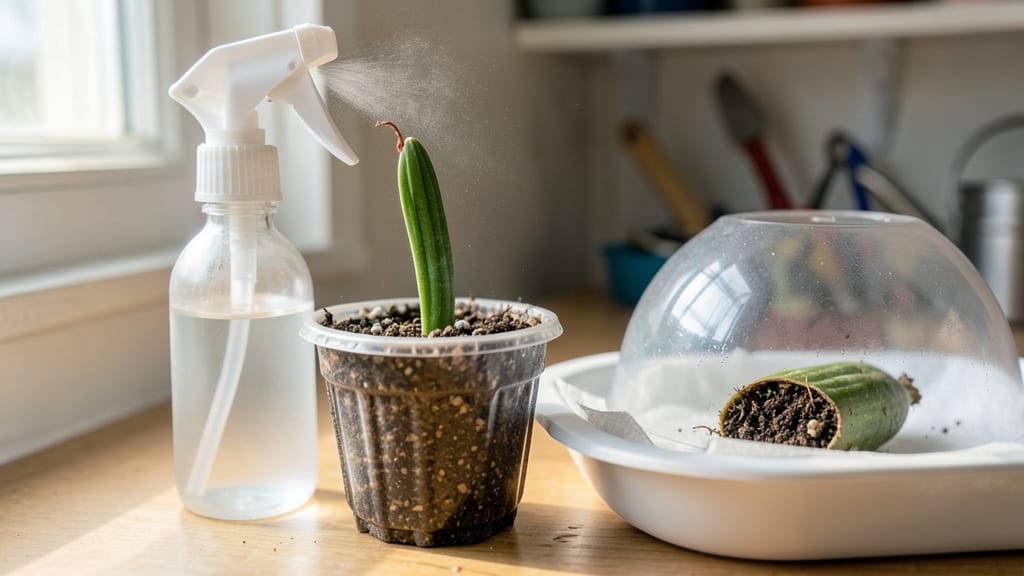
Growing mangrove seeds in your garden is like nurturing a tiny piece of coastal magic. 🌱 The process starts with a single seed that could grow into a sapling capable of stabilizing shorelines and supporting marine life—right in your backyard.
These seeds need waterlogged soil and a touch of salinity to thrive, mimicking their natural habitat. You'll want to start with a shallow container filled with a mix of potting soil and sand, then keep it consistently moist.
Mangrove seeds are tough but need patience—they can take 2-4 weeks to germinate, and the first leaves will look unlike anything you've seen before. Once sprouted, your little mangrove will need bright, indirect light and regular water changes to maintain the right moisture level.
Within 6-12 months, you could have a sturdy sapling ready for transplanting—if your climate allows it. Coastal areas are ideal, but containers work almost anywhere. The real reward? You're growing a plant that fights erosion, filters pollution, and provides wildlife habitat.
Just be ready for the slow-and-steady pace—mangroves are built for the long haul.
📚 In This Guide
- What you need
- Instructions
- Tips and common mistakes
- Wrapping up and next steps
What you need
- ● Mangrove seeds: Collect Rhizophora, Avicennia, or Laguncularia seeds (or buy from a reputable supplier). Aim for 5–10 seeds to increase success rates.
- ● Growing containers: Small pots (4–6 inches deep) with drainage holes or seed trays. Use 3–5 containers for better germination tracking.
- ● Potting mix: A lightweight, well-draining blend of 50% peat moss or coco coir and 50% perlite or coarse sand (sterilized to prevent mold).
- ● Water: Dechlorinated water (let tap water sit for 24 hours or use rainwater) to avoid seed damage.
- ● Humidity dome or plastic wrap: To maintain moisture (a clear plastic bag or a small greenhouse lid works).
- ● Spray bottle: For gentle watering (avoid over-saturating seeds).
- ● Pruning shears or scissors: For trimming seed pods or cleaning debris.
- ○ pH test kit: Optional but helpful—mangroves prefer pH 5.0–7.5.
- ● Grow lights or sunny windowsill: Mangrove seeds need bright, indirect light (6+ hours/day).
- ● Fertilizer (low-nitrogen): A balanced liquid fertilizer (10-10-10 or 20-20-20) diluted to half-strength for seedlings.
- ○ Mulch (optional): Shredded coconut husk or straw to retain moisture in outdoor setups.
- ● Stakes or small cages: For supporting seedlings as they grow (especially in windy areas).
Step-by-Step guide to growing mangrove saplings from seed
Here's how to turn tiny mangrove seeds into sturdy young trees using simple, eco-friendly methods.
🌱 Step 1: Collect and Prepare Mangrove Seeds
Gather mature mangrove propagules (seedlings) or seeds from fallen fruit pods. Look for plump, firm seeds that feel heavy for their size—these have the best germination potential. Rinse any collected seeds thoroughly under cool water to remove salt and debris, then let them air-dry for 24 hours on a paper towel.
Mangrove seeds need warmth to sprout, so soak them in lukewarm water for 24-48 hours before planting. The outer coating softens during this time, which helps roots break through faster. Place the seeds in a container with enough water to fully submerge them, and change the water twice daily to prevent mold.
🪴 Step 2: Fill Containers with Moist, Well-Draining Media
Use 4-inch deep containers (like small pots or seed trays) filled with a mix of 50% coconut coir and 50% perlite—this mimics the airy, moisture-retentive conditions of mangrove swamps. Avoid garden soil, which compacts and suffocates young roots. Moisten the mix until it feels like a damp sponge, but not dripping.
Fill each container ¾ full, leaving space at the top for seeds. Tap the container gently on the table to settle the mix, then use your finger to create ¼-inch deep holes spaced 2 inches apart. Mangrove seeds are sensitive to overcrowding, so give each one room to grow.
💧 Step 3: Plant Seeds and Maintain High Humidity
Place one seed per hole, pressing it lightly into the mix so the top remains visible. Cover with a thin layer of the coir-perlite blend—just enough to hold the seed in place. Mist the surface with a spray bottle until the mix feels evenly damp, then cover the container with clear plastic wrap or a humidity dome to trap warmth and moisture.
Set the containers in a warm, bright spot (like a sunny windowsill or under grow lights), where temperatures stay between 75-85°F. Check daily for condensation on the plastic—wipe it off to prevent fungal growth. Germination can take 7-21 days, so patience is key.
☀️ Step 4: Transition to Water Cultivation
Once seedlings show first true leaves (not the initial seed leaves), carefully remove them from the containers and place them in individual 6-inch pots filled with water only. Mangroves thrive in waterlogged conditions, so this mimics their natural habitat. Use a small mesh bag (like an old nylon stocking) to hold the seedling upright in the water.
Position the pots in bright, indirect light for 2-3 weeks to harden off the seedlings. Avoid direct sun, which can scorch tender leaves. Change the water every 3-4 days to prevent stagnation. You’ll see roots grow rapidly—this is a good sign!
✂️ Step 5: Prepare for Outplanting
When seedlings reach 6-12 inches tall and have 4-6 true leaves, they’re ready for the ground. Choose a moist, brackish site (mix of fresh and saltwater) with partial sun. Dig holes twice as wide as the root ball but only as deep as the mesh bag holding the seedling.
Gently remove the mesh bag from the water, place the seedling in the hole, and fill the space with sandy soil mixed with compost. Water deeply to settle the soil, then mulch with 1 inch of organic matter (like shredded leaves) to retain moisture. Mangroves need consistent water, so monitor soil dampness—it should never dry out completely.
Tips & tricks for growing mangrove saplings from seed
Ready to turn those tiny mangrove seeds into thriving young trees? These practical tips will help you avoid common pitfalls and maximize your success.
Seed Selection Matters: When collecting mangrove seeds, prioritize those that feel plump and heavy—these are the ones with the highest germination potential. I've found that seeds with a slight glossy sheen often indicate better moisture content, which translates to faster sprouting. If you're unsure about seed quality, perform a simple float test: place seeds in water for 10 minutes. The ones that sink are your best candidates for planting.
Soaking Strategy: During the 24-48 hour soaking period in Step 1, maintain the water temperature between 75-85°F for optimal results. I've noticed that using a small aquarium heater (set to 80°F) in the soaking container can dramatically improve germination rates, especially in cooler environments. Change the water twice daily not just to prevent mold, but also to remove any tannins that might leach from the seeds and inhibit sprouting.
Media Mixing Tip: For Step 2, when combining coconut coir and perlite, aim for a texture that resembles damp potting soil but with noticeable air pockets. I like to use my fingers to gently squeeze the mix—it should hold its shape when pressed but still allow water to drain freely. Adding a handful of vermiculite to the mix can help retain moisture without compacting, especially if you're in a dry climate. This adjustment keeps the root environment consistently moist without creating waterlogged conditions.
Humidity Dome Hack: In Step 3, instead of using clear plastic wrap, I've had great success with repurposed glass food storage containers. They create a more stable humidity environment and make it easier to monitor condensation. Place a small piece of charcoal in the bottom of the container to absorb excess moisture and prevent bacterial growth. This simple addition can extend the time between watering and reduce the risk of fungal issues during germination.
Pro Tips for Mangrove Seed Grow A Garden
- Ready to turn those tiny mangrove seeds into thriving young trees?
- Seed Selection Matters: When collecting mangrove seeds, prioritize those that feel plump and heavy—these are the ones with the highest germination potential.
- Soaking Strategy: During the 24-48 hour soaking period in Step 1, maintain the water temperature between 75-85°F for optimal results.
Frequently asked questions
Got questions about growing mangrove seeds into thriving saplings? You’re not alone! Here are answers to the most common queries to help you navigate your zero-waste gardening journey with confidence.
How long does it take for mangrove seeds to germinate?
Mangrove seeds typically germinate within 2–6 weeks, depending on species, moisture, and temperature. Some, like red mangroves (Rhizophora mangle), may sprout faster in warm, humid conditions (75–85°F). Patience is key—keep the soil consistently moist and avoid overwatering, which can suffocate seeds.
Why aren’t my mangrove seeds sprouting?
If your seeds aren’t germinating, check these common culprits:
- Dry soil: Mangroves need constant moisture—mist daily or use a humidity dome.
- Cold temperatures: Seeds thrive in warmth (60°F+). Use a heat mat if your climate is chilly.
- Old seeds: Fresh seeds germinate best. If stored, soak them overnight before planting.
- Poor drainage: Stagnant water can rot seeds. Use a mix of peat moss and perlite for airflow.
Still stuck? Try scarifying the seed coat lightly with sandpaper to encourage sprouting.
Can I grow mangroves in a pot instead of direct soil?
Mangroves adapt well to containers, making them perfect for patios or small spaces. Use a 5+ gallon pot with drainage holes and a mix of sandy soil, peat, and compost. Ensure the pot stays near water (mangroves love humidity) and rotate it occasionally for even growth. Just remember: They’ll need repotting every 1–2 years as they outgrow their home.
Do mangrove saplings need saltwater?
While mangroves tolerate saltwater, young saplings are more sensitive. Start with freshwater or a diluted saltwater mix (1 part seawater to 3 parts fresh). Gradually increase salinity as they mature—full saltwater is best for established plants. Avoid over-salting, which can stress or kill tender roots.
Are mangrove seeds safe for pets or kids?
Mangrove seeds and saplings are non-toxic to pets and children, but take precautions:
- Monitor curious pets—ingesting large quantities of any plant material can cause mild stomach upset.
- Keep soil and water sources clean to prevent mold or bacteria growth.
- Wear gloves when handling seeds to avoid skin irritation from tannins.
Bonus: Mangroves are eco-friendly and safe for wildlife, making them a great addition to family-friendly gardens!
Pro Tip:
Struggling with slow growth? Mangroves love nutrients! Feed young saplings with a balanced liquid fertilizer (10-10-10) every 4–6 weeks during the growing season. Avoid over-fertilizing—mangroves prefer lean, well-draining soil over rich compost.
Wrapping up and next steps
Growing a mangrove garden from seed isn’t just eco-friendly—it’s a rewarding way to nurture biodiversity right in your backyard! 🌱 Whether you’re a seasoned gardener or a curious beginner, these zero-waste techniques make propagation simple and sustainable.
Start small, experiment with your local climate, and watch your mangrove saplings thrive into a lush, resilient ecosystem.
Ready to take the next step? Share your progress with fellow green thumbs, join local conservation groups, or even donate extra saplings to community reforestation projects. Every seed you plant helps restore coastal habitats—so grab those tools and grow with purpose! 🌊✨