
Lawn
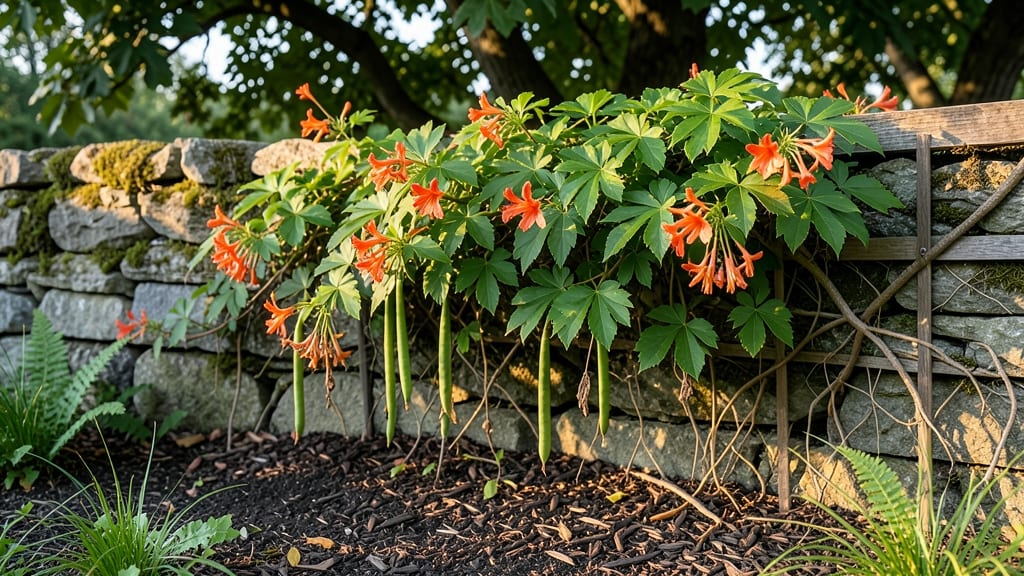
Trumpet creeper seed pods hold the key to next year’s vibrant vines—but only if you handle them right. 🌱 The secret to success lies in cold-stressed viability, where winter’s chill tricks seeds into breaking dormancy.
I’ve learned the hard way that skipping this step means waiting months for germination (or worse, no sprouts at all). Gathering pods in late fall is your first move—wait until they’re brown and papery, then extract the flat, winged seeds inside.
These need a moist, cold treatment (stratification) for 60-90 days to mimic nature’s timing. Skip this, and you’ll be stuck with stubborn seeds that refuse to wake up. Once stratified, plant them shallowly in well-draining soil, keeping it damp but not soggy.
Within 4-6 weeks, you’ll see tiny leaves unfurling—proof the cold treatment worked. The payoff? Healthy seedlings ready to climb by next spring, their orange trumpet blooms waiting to return. This method works best in zones 6-9, but even colder climates can adapt with indoor stratification.
Patience is key—woody vines take time, but the results are worth every step.
📚 In This Guide
- What you need
- Instructions
- Tips and common mistakes
- Wrapping up and next steps
What you need
- ● Mature trumpet creeper seed pods – Collect at least 50 pods (more ensures better germination rates). Harvest them when they’re brown and dry but still intact.
- ● Paper towels or seed-starting paper – A pack of 10-20 sheets (or enough to cover a shallow tray).
- ● Plastic zip-top bags or sealed containers – 2-4 quart-sized bags with airtight seals for stratification.
- ● Refrigerator (or cold stratification setup) – A space that stays between 35–45°F (2–7°C) for 6–8 weeks.
- ● Potting mix – A well-draining, sterile mix (e.g., 50% peat moss + 50% perlite or vermiculite).
- ● Small pots or seed trays – 2–3 inch pots or a shallow tray with drainage holes.
- ● Spray bottle – For gentle moisture control without overwatering.
- ● Grow lights or sunny windowsill – 6–8 hours of light daily once seeds sprout.
- ● Pruning shears – For harvesting seed pods safely from vines.
- ● Labeling tags – To track stratification dates and seed varieties.
- ● Humidity dome or plastic wrap – Keeps moisture in during germination.
- ○ Heat mat (optional) – Speeds up germination if your space is cool (70–75°F / 21–24°C).
- ● Fertilizer (balanced, 10-10-10) – Light dose after sprouts emerge (1 tsp per gallon of water).
How to cold-stress trumpet creeper seed pods for germination
Here’s the simple method I’ve used to boost germination rates—no fancy equipment needed.
🌱 Step 1: Harvest and Dry the Seed Pods
Collect mature trumpet creeper seed pods when they turn brown and begin splitting open naturally. Place them in a single layer on a paper towel or mesh screen in a shady, well-ventilated spot for 7-10 days. You’ll know they’re ready when the pods feel dry and brittle to the touch.
Don’t rush this step—moisture lingering in the pods can trigger mold. If your climate is humid, spread them out in a thin layer and check daily. Once fully dry, gently crack open the pods to release the seeds. Store them in a paper envelope until stratification begins.
❄️ Step 2: Stratify Seeds in the Refrigerator
Mix the seeds with a moistened paper towel or sphagnum moss in a sealed plastic bag. Place the bag in your refrigerator’s crisper drawer (around 35-40°F) for 6-8 weeks. This mimics winter conditions and breaks seed dormancy.
Check the bag weekly to ensure the moss or towel stays damp but not soggy. If condensation forms inside, open the bag briefly to air it out. You’ll see the seeds plump up slightly after a few weeks—that’s your signal the stratification is working.
☀️ Step 3: Sow Stratified Seeds in Pots
Fill 4-inch pots with a well-draining seed-starting mix (avoid garden soil—it’s too heavy). Plant the seeds ¼ inch deep, spacing them 1 inch apart. Water gently until the soil is moist to the touch but not dripping.
Place the pots in a warm, bright spot (around 70°F) with indirect light. A seedling heat mat helps speed up germination. Keep the soil consistently moist—never let it dry out completely. Germination typically takes 2-4 weeks, but be patient if your home runs cooler.
🌿 Step 4: Harden Off and Transplant Seedlings
Once seedlings develop 2-3 sets of true leaves, gradually introduce them to outdoor conditions. Start by placing them in a shaded, sheltered spot for 1-2 hours the first day, then increase exposure over 7-10 days. This process, called hardening off, helps them adjust to wind and sunlight.
After hardening, transplant seedlings into the garden or larger containers in spring, after the last frost date. Trumpet creepers thrive in full sun and well-draining soil. Space them 6-10 feet apart to allow for vigorous growth.
Tips & tricks for perfect trumpet creeper germination
Here's what I've learned from years of working with trumpet creeper seeds—these small details make all the difference.
Timing Secret for Step 1: When checking your seed pods for dryness in the 7-10 day drying period, press gently between your fingers. They should crumble easily but not feel powdery—this means they're perfectly dry. If they still feel slightly pliable, give them another day or two. The key is balancing dryness with avoiding over-drying that could damage the seeds inside.
Stratification Strategy: For Step 2, I always use a small plastic container with a tight-sealing lid for the stratification process. This creates a more controlled environment than a regular bag—condensation stays contained, and you can easily check moisture levels. Place a damp paper towel inside first, then add the seeds and seal. This prevents soggy conditions that could lead to mold.
Sowing Success in Step 3: The ¼-inch depth for planting might seem shallow, but trumpet creeper seeds need this minimal coverage to access light for germination. Use a toothpick to create small holes in your seed-starting mix—this prevents disturbing the seeds when you water. After sowing, place pots in a clear plastic bag to create a mini greenhouse effect, which helps maintain consistent moisture levels.
Harden Off Gradually: In Step 4, when increasing outdoor exposure time, I recommend using a small fan on low setting near your seedlings during the final 2-3 days of hardening. This mimics wind conditions they'll face outdoors and strengthens their stems. Start with just 5 minutes of fan time per day, then gradually increase to 30 minutes by the end of the week.
Pro Tips for Trumpet Creeper Seed Pods
- Here's what I've learned from years of working with trumpet creeper seeds—these small details make all the difference.
- Timing Secret for Step 1: When checking your seed pods for dryness in the 7-10 day drying period, press gently between your fingers.
- Stratification Strategy: For Step 2, I always use a small plastic container with a tight-sealing lid for the stratification process.
Frequently asked questions
Can trumpet creeper seed pods survive a hard freeze?
Seed pods themselves are highly sensitive to cold—most won’t survive below 20°F (-7°C). However, if pods are fully dried (hard and papery) before frost, they can be stored indoors for later planting. For best results, harvest pods before temperatures drop below 32°F (0°C).
How long do trumpet creeper seed pods stay viable?
Freshly harvested pods retain viability for 1–2 years if stored in a cool, dry place (like a paper envelope or breathable bag). After that, germination rates drop sharply. Pro tip: Label pods with the harvest date to track freshness!
What’s the best way to collect trumpet creeper seed pods?
Wait until pods turn brown and papery (usually late summer/fall). Gently twist or cut them off the vine—don’t crush them, as this can damage seeds inside. Spread pods on a tray to dry completely before storing. Bonus: Wear gloves; the sap can stain!
Can I plant trumpet creeper from store-bought seeds instead of pods?
Yes! Store-bought seeds are often pre-treated for better germination, but they may lack the hardiness of wild-collected pods. If using pods, stratify seeds (mix with moist sand, refrigerate 4–6 weeks) to mimic winter conditions. Store-bought seeds skip this step.
Why aren’t my trumpet creeper seeds germinating?
Common culprits: old seeds, improper stratification, or overwatering. Try this fix: Soak seeds in warm water overnight, then plant shallowly (¼ inch deep) in well-draining soil. Keep moist but not soggy. Patience is key—germination can take 2–4 weeks!
Is trumpet creeper invasive? Should I be worried?
Trumpet creeper (Campsis radicans) is highly invasive in many regions (e.g., Pacific Northwest, Midwest). If containment is a concern, opt for non-invasive alternatives like Campsis grandiflora (Chinese trumpet creeper) or container-grown vines. Always check local regulations!
Wrapping up and next steps
Trumpet creeper seed pods may seem delicate, but with the right care—especially during cold snaps—they can thrive and produce stunning vines next season. 🌱 Whether you’re harvesting, storing, or planting, understanding their resilience ensures your garden stays vibrant. Now’s the perfect time to act! Grab those pods, follow the steps, and watch your trumpet creeper flourish year after year.
🌿 Next Steps:
- Test a few pods now to see how they handle cold storage.
- Mark your calendar for spring planting—timing is everything!
- Share your progress with fellow gardeners for tips and inspiration.