
Propagation
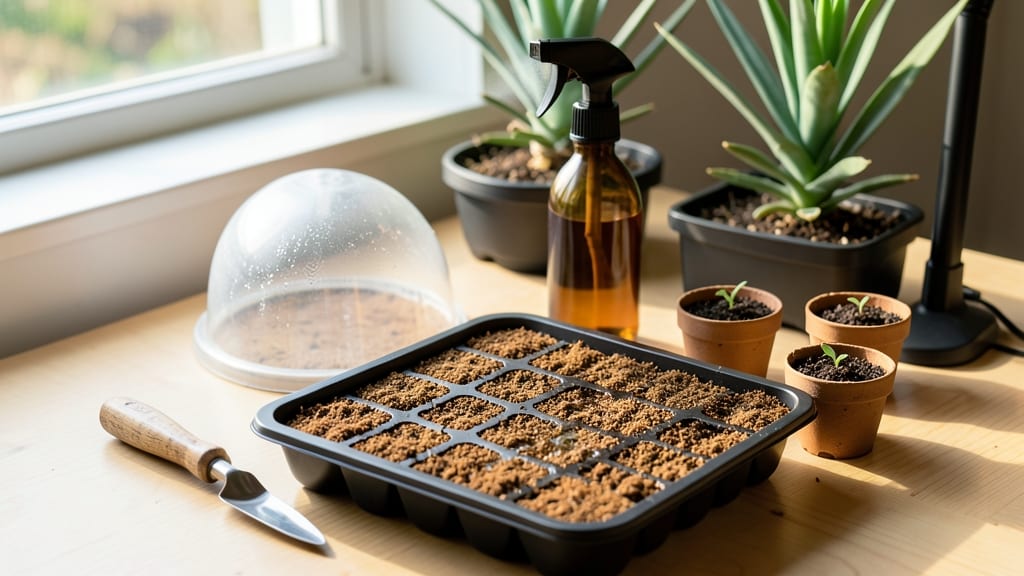
Yucca seed propagation holds the promise of a striking, drought-resistant plant that thrives where others struggle. 🌱 The key to success starts with harvesting ripe seed pods—wait until they turn brown and papery before collecting, then split them open to reveal the flat, black seeds inside. Patience pays off here, as yucca seeds can take 4-8 weeks to germinate, but the wait transforms into lush, sword-like foliage that’s nearly indestructible.
You’ll need just a few supplies: a shallow tray, well-draining cactus/succulent mix, and a spray bottle for moisture. Yucca seeds prefer bright light and warmth—place your tray near a sunny window or under grow lights, keeping the soil barely damp.
Overwatering is the biggest mistake beginners make, so let the top inch dry between waterings. The first true leaves signal it’s time to transplant, usually after 6-12 months of growth.
What you end up with is a hardy yucca that handles neglect like a pro—perfect for busy gardeners or rocky, dry climates. The plants grow slowly at first but reward you with bold, architectural shapes and occasional summer blooms.
By the time they’re established, you’ll wonder why you ever bought nursery plants when seeds were this easy.
For best results, sow seeds in early spring when temperatures stay above 70°F—this mimics their natural growing conditions. If you’re in a cooler zone, start indoors and move outdoors only after the last frost.
The slow start is worth it: mature yuccas live for decades with minimal care, making them a true investment in low-maintenance beauty.
📚 In This Guide
- What you need
- Instructions
- Tips and common mistakes
- Wrapping up and next steps
What you need
- ● Yucca seeds: Fresh, viable seeds (collect from ripe pods or purchase from a trusted supplier). Aim for at least 20-30 seeds to account for germination variability.
- ● Seed trays or small pots: 2-3 inch deep containers with drainage holes (4-6 trays/pots for better spacing). Plastic or biodegradable pots work well!
- ● Well-draining potting mix: A blend of cactus/succulent soil (50%), perlite or coarse sand (30%), and peat moss or coconut coir (20%). Avoid heavy garden soil!
- ● Spray bottle: For gentle watering (10-12 oz capacity). Misting helps prevent seed rot.
- ○ Clear plastic wrap or humidity dome: To create a mini greenhouse effect (optional but highly recommended for humidity control).
- ● Grow lights or sunny windowsill: Access to bright, indirect light (6-8 hours/day). Yucca seeds need warmth to germinate!
- ● Labeling tags & marker: To track seed varieties and planting dates.
- ● Seed scarification tool: Sandpaper (100-120 grit) or a knife to lightly nick seeds if they’re hard-coated (speeds up germination).
- ● Heat mat: Set to 75-85°F to mimic natural conditions (accelerates germination time).
- ● Fertilizer (low-dose): A balanced liquid fertilizer (5-5-5) diluted to half-strength for seedlings (use after 4-6 weeks).
- ● Tweezers or toothpick: For carefully placing small seeds into the soil.
- ● Notebook: To log germination progress, soil moisture, and light exposure.
Step-by-step instructions for yucca seed propagation
Here's how I harvest yucca pods and coax viable seedlings—no stress, just steady progress.
🌱 Step 1: Harvest Mature Yucca Pods at Peak Ripeness
Wait until the seed pods turn a deep, papery brown and begin cracking open naturally—this usually happens in late summer to early fall. If you harvest too early, the seeds won't be fully developed, and if you wait too long, they may scatter on the ground. I tap the pods gently with my knuckles to test readiness; they should feel dry and hollow inside.
Use clean, sharp pruning shears to snip the pods from the plant, leaving a small stem attachment. Immediately place them in a paper bag to catch any seeds that might drop during transport. Avoid plastic bags—they trap moisture and encourage mold, which can ruin your seeds before germination even begins.
🪴 Step 2: Extract and Clean the Seeds
Spread the harvested pods on a clean, dry towel and let them sit in a warm, dry place for 3-5 days. This drying period prevents mold growth and makes it easier to separate the seeds from the pod fibers. Once fully dry, gently crush the pods between your hands or use a small hammer to break them open—never force it, as yucca seeds are delicate.
Sift the contents through a fine mesh screen to separate the seeds from the chaff. Yucca seeds are small, flat, and dark brown, often with a slightly wrinkled texture. Discard any seeds that appear shriveled or discolored, as they won’t germinate. Store viable seeds in a cool, dry place in a sealed envelope until you're ready to plant.
💧 Step 3: Stratify Seeds for Better Germination
Yucca seeds benefit from a cold stratification period to break dormancy. Mix the seeds with a slightly dampened sand and peat moss blend (equal parts) in a small container. Place the container in a sealed plastic bag and refrigerate it for 6-8 weeks at 35-40°F. Check the mix weekly to ensure it remains lightly moist—never soggy.
This cold treatment mimics winter conditions and signals the seeds that it’s safe to germinate. After stratification, remove the container from the fridge and let it sit at room temperature for another 1-2 weeks to allow the seeds to acclimate. You’ll know stratification worked when the seeds begin to soften slightly and lose some of their hard outer coating.
☀️ Step 4: Sow Seeds in Warm, Well-Draining Soil
Fill small pots or seed trays with a cactus and succulent mix (or regular potting soil amended with perlite for drainage). Plant the seeds ¼ inch deep, spacing them ½ inch apart to allow room for growth. Gently press the soil around each seed to ensure good contact but avoid compacting it too tightly.
Place the trays in a warm, bright location with indirect light—yucca seedlings thrive in 75-85°F soil temperatures. Cover the trays with a clear plastic dome or plastic wrap to retain humidity, but remove it daily for 10 minutes to prevent mold. Germination typically takes 2-4 weeks, though some seeds may take longer.
🌿 Step 5: Transplant Seedlings to Individual Pots
Once seedlings develop 2-3 true leaves and reach about 2 inches tall, it’s time to transplant them into their own 3-4 inch pots. Use the same well-draining soil mix to fill the pots, leaving ½ inch of space at the top. Gently remove each seedling from the tray, keeping the root ball intact, and place it in its new pot.
Water lightly after transplanting to settle the soil, but avoid overwatering—yucca seedlings are prone to rot if their roots stay too wet. Gradually introduce them to more sunlight over the next 2 weeks, moving them to a sunny spot for 2-3 hours daily before leaving them in full sun. This gradual transition prevents leaf scorch and ensures healthy growth.
Tips & tricks for perfect yucca seed propagation
These little-known techniques will help you maximize seed viability and avoid common pitfalls in your yucca propagation journey.
Pod Harvesting Timing: Pay close attention to the color and texture of your yucca pods—harvesting at the wrong time is the #1 reason for poor germination. The pods should be a deep, papery brown and starting to crack naturally, which typically occurs in late summer to early fall. I've learned the hard way that harvesting too early means underdeveloped seeds, while waiting too long risks losing them to wind or pests. The gentle knuckle test (they should feel dry and hollow) is more reliable than just looking at the color.
Stratification Success: The 6-8 week cold stratification at 35-40°F is absolutely critical for breaking dormancy, but consistency matters just as much as duration. I place a small moisture meter in the sand and peat moss mix to ensure it stays lightly moist—never soggy. This mimics natural winter conditions perfectly. After removing from the fridge, let the seeds acclimate at room temperature for 1-2 weeks before planting; this gradual temperature shift prevents shock and gives you a visual cue that stratification worked when you see the seeds softening slightly.
Soil Temperature Matters: Yucca seedlings thrive in soil temperatures between 75-85°F, which is why I use a seedling heat mat under my trays. This consistent warmth is particularly important during the 2-4 week germination period. If you don't have a heat mat, place your trays on top of your refrigerator (not inside) which often maintains these ideal temperatures. The key is keeping the soil warm but not hot—you should be able to comfortably place your hand near the soil surface without feeling scorched.
Transplanting Technique: When transplanting your 2-3 inch tall seedlings into 3-4 inch pots, focus on keeping that root ball intact—yucca roots are surprisingly delicate. I use a small butter knife to gently loosen the edges of the root ball before transferring, which helps prevent transplant shock. After repotting, give them a light watering to settle the soil, but resist the urge to overwater. The gradual sunlight introduction over 2 weeks is crucial; I start with just 2-3 hours of morning sun before moving them to full sun exposure to prevent leaf scorch.
Pro Tips for Yucca Seed Propagation
- These little-known techniques will help you maximize seed viability and avoid common pitfalls in your yucca propagation journey.
- Pod Harvesting Timing: Pay close attention to the color and texture of your yucca pods—harvesting at the wrong time is the #1 reason for poor germination.
- Stratification Success: The 6-8 week cold stratification at 35-40°F is absolutely critical for breaking dormancy, but consistency matters just as much as duration.
Frequently asked questions
Got questions about yucca seed propagation?
You’re not alone! Here are some of the most common queries—and their straightforward answers—to help you navigate the process with confidence.
How long does it take for yucca seeds to germinate?
Yucca seeds can take anywhere from 2 to 6 weeks to sprout, depending on temperature, moisture, and seed freshness. Keep the soil consistently moist (but not soggy) and maintain a warm environment (around 70–75°F) to speed up germination. Patience is key—some seeds may take longer!
Why aren’t my yucca seeds sprouting?
If your seeds aren’t germinating, check these common culprits:
- Old or dried-out seeds: Yucca seeds lose viability quickly—use fresh ones for best results.
- Poor soil conditions: Ensure your mix is well-draining and sterile (sterilize with hydrogen peroxide if needed).
- Temperature issues: Seeds need warmth to germinate. A heat mat or sunny windowsill can help.
- Lack of light: Once sprouted, seedlings need bright, indirect light to thrive.
Can I propagate yucca from seeds or cuttings?
Both methods work, but they serve different purposes! Seeds are great for growing new varieties or large plants from scratch, but they take longer. Cuttings (from mature pups or offsets) are faster and preserve the parent plant’s traits. For quick results, try cuttings; for experimentation, seeds are fun and rewarding!
Do yucca seedlings need special care after germination?
Once sprouted, yucca seedlings are delicate! Keep them in bright, indirect light (avoid harsh sun) and water gently at the soil level to prevent fungal issues. Gradually introduce them to drier conditions as they mature. Transplant outdoors only after the last frost and when they’ve developed a sturdy root system.
Can I grow yucca from seeds in cold climates?
Yucca seeds can be started indoors in warmth (using a heat mat or sunny window) and transplanted outdoors after the last frost. Alternatively, grow them in containers and overwinter them indoors if your zone drops below 10°F. Hardy varieties like Yucca filamentosa tolerate colder temps once established.
Wrapping up and next steps
Yucca seed propagation is a rewarding journey that turns patience into lush, thriving plants! By following these steps—from harvesting ripe pods to nurturing seedlings—you’ve unlocked the secret to growing your own yucca from scratch. 🌱✨ The key? Consistency in moisture, warmth, and a little green thumb love.
Ready to watch your tiny seeds transform into striking, drought-resistant beauties? Start small—plant a few pods this season and expand as you gain confidence. Happy growing, and may your garden flourish with the bold elegance of yucca!