
Lawn
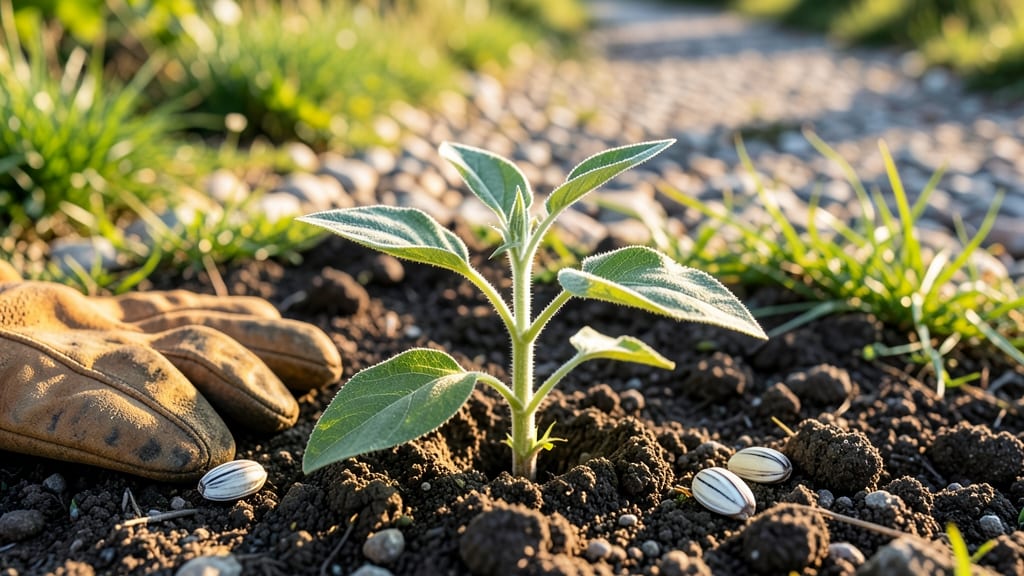
A seed in the sun isn’t just about growth—it’s about transformation. 🌻 The moment you plant sun-loving annuals, your garden becomes a canvas of bold colors and effortless beauty, where every ray of sunlight fuels vibrant blooms and lush foliage.
There’s something deeply satisfying about watching plants stretch toward the light, their petals unfurling like nature’s own confetti. These annuals—think zinnias, marigolds, and cosmos—aren’t just pretty; they’re resilient.
They thrive in the heat, bounce back from drought, and keep blooming all season long, turning even the sunniest corners of your yard into a showstopper.
The key is choosing varieties that match your climate and space, so you’re not just planting flowers, but creating a living masterpiece that feels alive under the sun. Picture it: a border bursting with fiery reds, golden yellows, and deep oranges, all catching the light like tiny mirrors.
The scent alone—sweet, earthy, and intoxicating—pulls you outside every afternoon. These plants don’t just survive the sun; they celebrate it, turning your garden into a place that feels like a warm embrace after a long day. The best part? You don’t need a sprawling yard to make it work.
Containers, window boxes, or even a small patch in the front yard can become a sunlit sanctuary. Let’s bring that light—and the joy it inspires—to your garden.
📚 In This Guide
- What you need
- Instructions
- Tips and common mistakes
- Wrapping up and next steps
What you need
- ● Sun-loving annual seeds: Choose from 5-10 varieties (e.g., marigolds, zinnias, sunflowers, or cosmos). Aim for fast-growing types (30-60 days to bloom) for quicker results.
- ● Seed-starting soil: 1-2 bags of lightweight, well-draining potting mix (avoid garden soil—it’s too dense!).
- ● Seed trays or biodegradable pots: 50-100 cell trays or 2-3 inch pots (biodegradable options dissolve into the soil later!).
- ● Grow lights or sunny windowsill: A full-spectrum LED grow light (12-16 hours/day) or a south-facing window with 6+ hours of direct sun.
- ● Spray bottle: For gentle watering (avoid over-saturating seeds!).
- ● Plant labels & marker: To track varieties (e.g., 50-100 labels).
- ● Outdoor space: A sunny spot (6+ hours of direct sun daily) for transplanting. Test with a sun calculator or observe your yard.
- ○ Fertilizer (optional): A balanced, water-soluble 10-10-10 or fish emulsion for post-transplant boosts.
- ● 💡 Pre-soak seeds: Speed up germination by soaking seeds overnight in warm water for varieties like sunflowers or beans.
- ○ 🌡️ Warmth matters: Use a seedling heat mat (optional) if your home runs cool.
- ● 🎯 Harden off seedlings: Gradually expose trays to outdoor conditions (1 week before transplanting) to toughen them up!
Step-by-step guide to planting sun-loving annuals
Ready to bring bold color and texture to your garden? Here's how to get sun-loving annuals thriving from the very first planting.
🌱 Step 1: Choose the Right Spot for Maximum Sun
Most sun-loving annuals need 6-8 hours of direct sunlight daily. Scout your yard for the sunniest location—south-facing areas get the most consistent light. I always check for afternoon shade from trees or buildings, as that can reduce sunlight by half.
Test your spot for a week before planting. Mark where shadows fall at different times of day. Annuals like zinnias and marigolds will wilt or produce fewer blooms if they don't get enough sun. A spot that gets at least 6 hours of bright, direct sunlight is ideal.
🪴 Step 2: Prepare the Soil for Fast Growth
Sun-loving annuals thrive in well-draining soil with a slightly loose texture. Work in 2-3 inches of compost or aged manure to improve fertility and drainage. Avoid heavy clay soil—it holds too much moisture and can cause root rot.
Loosen the top 6-8 inches of soil with a garden fork or tiller. Break up any clumps and remove rocks or debris. The goal is soil that's crumbly and easy for roots to penetrate. If your soil is sandy, add a handful of organic matter to help retain moisture.
☀️ Step 3: Plant Seeds or Transplants at the Right Depth
For seeds, follow the packet instructions—most sun-loving annuals like zinnias and sunflowers should be planted 1/4 to 1/2 inch deep. Press the soil gently around the seeds to ensure good contact but don’t pack it down too firmly.
If you're planting transplants, dig holes just deep enough to cover the roots without burying the stem. Space them according to the plant’s mature size—zinnias need 8-12 inches apart, while marigolds can handle 6-10 inches. Water deeply right after planting to settle the soil and remove air pockets.
💧 Step 4: Water Deeply and Consistently
Sun-loving annuals need regular watering, especially in their first few weeks. Water deeply 1-2 times per week, soaking the soil to a depth of 6 inches**. Shallow watering encourages weak roots that struggle in the heat.
Water in the early morning to reduce evaporation and give plants time to dry slightly before evening. You’ll know you’re watering enough when the top inch of soil feels dry to the touch. Overwatering is just as bad as underwatering—it can lead to fungal diseases like powdery mildew.
✂️ Step 5: Maintain and Enjoy Your Sun-Loving Garden
Deadhead spent blooms regularly to encourage more flowers. Pinch back leggy growth to promote bushier plants. Fertilize lightly every 4-6 weeks with a balanced, water-soluble fertilizer to keep them blooming all season.
Watch for pests like aphids or spider mites, which love sun-loving annuals. A strong spray of water usually knocks them off, but neem oil works well for persistent infestations. With the right care, your sun-loving annuals will reward you with vibrant blooms from spring until frost.
Tips & tricks for perfect sun-loving annuals
Here's what nobody tells you about getting your sun-loving annuals to thrive from day one.
Location is Everything: That 6-8 hours of direct sunlight isn't just a suggestion—it's non-negotiable for most annuals. I've seen zinnias and marigolds struggle when planted in partial shade, even if they got 5 hours of sun. The afternoon sun (between 12-4 PM) is especially critical. If your yard doesn't have a naturally sunny spot, consider using reflective surfaces like white walls or mirrors to bounce extra light onto your plants.
Soil Prep Secrets: The 2-3 inches of compost recommendation is your foundation, but don't stop there. For heavy clay soil, mix in perlite or coarse sand to improve drainage. If you're working with sandy soil, add a bit of coconut coir to help retain moisture. I like to test my soil's drainage by digging a hole, filling it with water, and seeing how long it takes to drain—if it's still wet after 2 hours, you need more amendments.
Planting Precision: When planting seeds at 1/4 to 1/2 inch deep, think of it like tucking them into a cozy blanket—not too deep, not too shallow. For transplants, that root coverage is crucial—burying the stem creates rot, while leaving roots exposed means poor anchorage. I use a small stick to mark where I've planted seeds so I don't accidentally dig them up when watering.
Watering Wisdom: Those 1-2 times per week waterings need to be strategic. Instead of quick sprinkles, use a soaker hose or water at the base for 10-15 minutes to reach that 6-inch depth. I set a timer when watering new plants to avoid overdoing it—you'll know you're doing it right when water appears at the bottom of your planting hole after 30 minutes.
Pro Tips for A Seed In The Sun
- Here's what nobody tells you about getting your sun-loving annuals to thrive from day one.
- Location is Everything: That 6-8 hours of direct sunlight isn't just a suggestion—it's non-negotiable for most annuals.
- Soil Prep Secrets: The 2-3 inches of compost recommendation is your foundation, but don't stop there.
Frequently asked questions
Got questions about growing sun-loving annuals? You’re not alone!
Here are answers to the most common queries—so you can plant with confidence and keep those vibrant blooms shining bright all season.
Which sun-loving annuals are the easiest for beginners?
Start with marigolds, zinnias, or cosmos—they’re hardy, fast-growing, and forgiving. Petunias and geraniums also thrive in full sun with minimal fuss. Look for disease-resistant varieties if you’re new to gardening!
How long does it take for sun-loving annuals to bloom?
Most sun-loving annuals bloom within 6–10 weeks from seed, but some (like sunflowers) can take up to 12 weeks. Check seed packets for exact timelines—some varieties are labeled as "fast bloomers" for quicker color!
Do these plants need extra watering in hot weather?
Yes! Sun-lovers like 6+ hours of sunlight daily and dry out faster. Water deeply 2–3 times per week (morning is best) and mulch to retain moisture. Watch for wilting leaves—a sign they’re thirsty!
Can I grow sun-loving annuals in containers?
Choose compact varieties like bacopa, portulaca, or lobelia for pots. Use well-draining soil, large containers (5+ gallons), and place them in south-facing spots for maximum sun exposure.
What pests should I watch for with sun-loving annuals?
Common culprits include aphids, spider mites, and slugs. Inspect leaves regularly and use neem oil or insecticidal soap for mild infestations. Healthy plants (with proper sun/water) are less attractive to pests!
Will these plants survive winter?
Most sun-loving annuals are not perennial—they die back with frost. Save seeds or cuttings from self-seeding varieties (like cosmos or marigolds) for next year, or replant fresh seeds each spring.
Wrapping up and next steps
A seed in the sun isn’t just a dream—it’s a promise of vibrant blooms and lush growth, year after year! 🌱✨ The right sun-loving annuals can transform your lawn into a thriving, low-maintenance paradise with minimal effort. Whether you’re drawn to bold sunflowers, cheerful zinnias, or fragrant marigolds, these plants prove that beauty and resilience go hand in hand.
Now that you’re armed with the knowledge to choose, plant, and care for these sun-kissed stars, take the next step! Start small—pick one or two varieties to test in a sunny patch of your yard.
Watch them flourish, and soon, you’ll be expanding your garden oasis with confidence. Your sun-soaked sanctuary awaits—dig in and let the magic grow! 🌞🌸