
Lawn
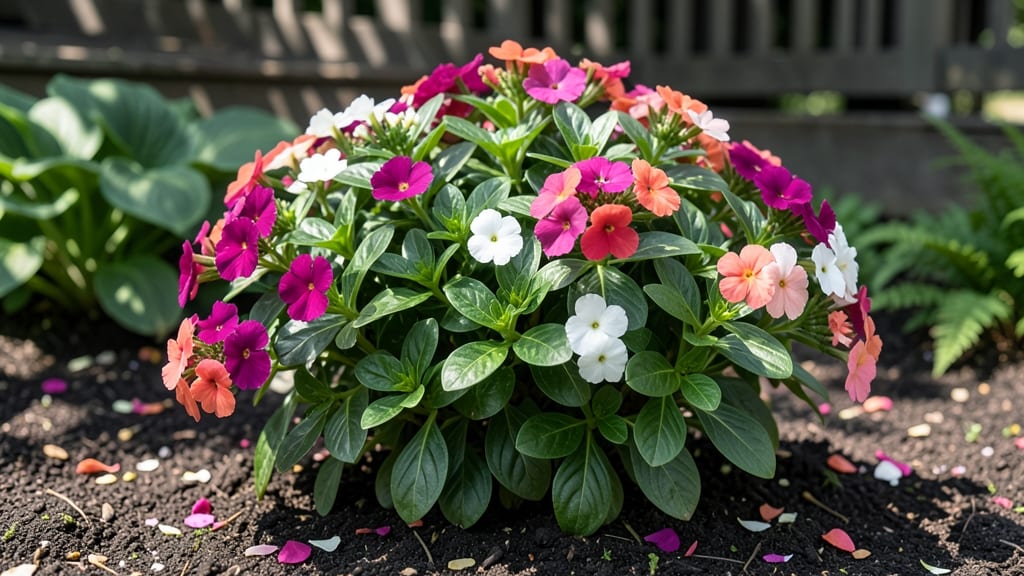
American Seed Impatiens are the secret weapon for shady spots that never seem to bloom. 🌿 I've grown them in my own low-light garden, and they turn dull corners into vibrant displays of color—no fuss, no sun required.
These fast growers will reward you with continuous blooms in just 8 weeks from seed, making them perfect for impatient gardeners (or those with too much shade). The key to success is starting them indoors 6-8 weeks before your last frost, then transplanting after temperatures stay above 50°F.
They thrive in moist, well-draining soil and partial to full shade, which means they're ideal for under trees, along north-facing walls, or even in containers on shaded patios. Unlike many shade plants, they don't just survive—they explode with color from summer through fall.
Once established, you'll love how low-maintenance they are. Water consistently to keep the soil moist (but not soggy), and feed with a balanced liquid fertilizer every 2-3 weeks during the growing season.
The blooms come in a rainbow of colors, and they'll keep producing as long as you deadhead spent flowers—though even if you skip that step, they'll still look great. These impatiens are tougher than they look, handling humidity and light shade better than most.
If you've struggled with shade gardening before, this is your chance to turn those tricky spots into showstoppers. Ready to try them?
📚 In This Guide
- What you need
- Instructions
- Tips and common mistakes
- Wrapping up and next steps
What you need
- ● Seeds: 1 packet of American Seed Impatiens (e.g., Impatiens walleriana or hybrid varieties like 'Super Elfin' or 'Accent'). Choose disease-resistant varieties for better longevity.
- ● Seed Starting Mix: 1 bag (12–16 qt) of high-quality, sterile seed-starting mix (e.g., Pro-Mix or Black Gold). Avoid garden soil—it’s too dense for tiny seeds!
- ● Containers: 1–2 cell packs (72–144 cells) or biodegradable pots (2–3 inches deep) for seedlings.
- ○ Optional: Seedling trays with clear domes for humidity control.
- ● Growing Medium (After Transplanting): 1 bag (1–2 cubic feet) of well-draining potting mix (e.g., Miracle-Gro Moisture Control or FoxFarm Ocean Forest). Amend with perlite or vermiculite (1 part per 4 parts soil) for aeration.
- ● Planting Tools: Small hand trowel or seedling flat for precision planting.
- ● Spray bottle (16 oz) for gentle watering.
- ○ Lighting: Grow lights (LED or fluorescent, 12–16 inches above seedlings) for 14–16 hours/day (optional but highly recommended for indoor starts).
- ● South-facing window (if natural light is your only option).
- ● Humidity Dome or Plastic Wrap: To retain moisture while seeds germinate.
- ● Fertilizer: Balanced liquid fertilizer (e.g., Jack’s Classic 20-20-20) or slow-release granules (e.g., Osmocote 14-14-14).
- ○ Fish emulsion or seaweed extract (optional, for a natural boost).
- ● Pruning Shears: For pinching back leggy seedlings (after 4–6 weeks).
- ● Location: A spot with partial to full shade (2–6 hours of morning sun max). Impatiens wilts in direct afternoon sun! 🌿
- ● Temperature: Ideal soil temp for germination: 70–75°F (use a seedling heat mat if needed).
- ● Hardy to USDA Zones 10–11; treat as an annual in colder climates.
- ● Watering Setup: A drip irrigation system or watering can with a rose attachment (to avoid disturbing seedlings).
- ● Patience: Impatiens germinate in 7–14 days—stay consistent with moisture and light!
Step-by-step instructions for growing american seed impatiens
Here's how to transform tiny seeds into vibrant, shade-loving blooms in just 8 weeks.
🌱 Step 1: Start Seeds Indoors with Warmth and Moisture
Fill small seed trays with a sterile seed-starting mix and moisten it until damp but not soggy. Press the mix down lightly so it's firm enough to hold seeds in place. Scatter 2-3 seeds per cell at a depth of ¼ inch—they need light to germinate, so don't bury them too deep. I like to use a toothpick to create tiny holes for precision planting.
Cover the trays with plastic wrap or a humidity dome to trap warmth and moisture. Place them in a warm spot—70-75°F is ideal, which you can achieve with a seedling heat mat. Keep the soil consistently moist by misting lightly daily, but avoid soaking. You should see tiny sprouts in 10-14 days, though some varieties may take up to 3 weeks.
☀️ Step 2: Provide Gentle Light and Prevent Leggy Growth
Once seedlings emerge, remove the plastic wrap immediately to prevent damping-off. Place them under grow lights or in a south-facing window where they get 12-14 hours of bright, indirect light daily. Impatiens seedlings stretch toward light quickly, so keep the lights 2-3 inches above the plants and raise them as the seedlings grow.
Watch for first true leaves (the second set after the initial seed leaves) to appear. This is your cue to fertilize lightly with a balanced, water-soluble fertilizer at half-strength. Over-fertilizing now will burn tender roots, so I always dilute it further if the mix is fresh.
🌿 Step 3: Harden Off and Transplant After True Leaves Form
When seedlings have 3-4 sets of true leaves (about 4-6 weeks after sowing1-2 hours the first day, gradually increasing time over 7-10 days. This prepares them for outdoor conditions without shock.
Transplant into 4-inch pots filled with a well-draining potting mix. Gently loosen the roots if they're circling in the seed tray, then place each seedling 1 inch deeper than it was growing—this encourages stronger root development. Water thoroughly after transplanting to settle the soil around the roots.
🪴 Step 4: Move Outdoors and Maintain Shade Conditions
After the last frost date, transplant impatiens into their final shady or partially shaded garden spot. Space them 8-12 inches apart to allow air circulation and prevent disease. I always plant them near hostas or ferns, where they thrive in dappled light.
Keep the soil consistently moist but not waterlogged—impatiens hate soggy roots. Mulch around the base with 2-3 inches of organic mulch to retain moisture and suppress weeds. Fertilize every 2-3 weeks with a balanced liquid fertilizer during the growing season for continuous blooms.
✂️ Step 5: Deadhead and Enjoy Nonstop Color
Pinch back leggy stems when seedlings are young to encourage bushier growth. As flowers fade, deadhead spent blooms regularly to redirect the plant's energy into producing more flowers. I like to do this on a weekly basis—it keeps the plants looking tidy and encourages new blooms.
Impatiens are annuals, so they'll fade with frost. To extend their season, bring potted plants indoors before the first frost and place them in a bright, cool spot. With proper care, you'll enjoy vibrant blooms from early summer until fall's first chill.
Tips & tricks for perfect american seed impatiens
A few simple tricks will help you avoid common pitfalls and grow the healthiest impatiens possible.
Germination Secret: Don't be tempted to bury impatiens seeds too deep—they need light to germinate! That ¼-inch depth is perfect. If you're worried about uneven planting, use a toothpick to create tiny holes for precision placement. This ensures consistent moisture contact while keeping the seeds exposed to light. I've found that using a fine mist spray bottle helps settle seeds gently into place without disturbing them.
Light Management: Those 12-14 hours of bright, indirect light daily are crucial for preventing leggy seedlings. If you notice stems stretching toward the light source, it's time to adjust. Keep grow lights 2-3 inches above the plants and raise them gradually as seedlings grow. A simple trick is to use a ruler to mark the light height on your setup—this ensures consistent spacing as they grow.
Transplanting Technique: When transplanting into 4-inch pots, the 1-inch deeper planting encourages stronger root development. Gently loosen any circling roots from the seed tray before placing them in the new pot. This prevents root damage and encourages outward growth. I always water thoroughly after transplanting to help settle the soil around the roots and reduce transplant shock.
Fertilizer Wisdom: The first fertilization at half-strength is your cue that true leaves have appeared. Remember, over-fertilizing now can burn tender roots. I like to use a liquid fertilizer and dilute it even further if my mix is fresh—this gives me extra control over the nutrient concentration. Always follow the package directions for dilution ratios to avoid overdoing it.
Pro Tips for American Seed Impatiens
- A few simple tricks will help you avoid common pitfalls and grow the healthiest impatiens possible.
- Germination Secret: Don't be tempted to bury impatiens seeds too deep—they need light to germinate!
- Light Management: Those 12-14 hours of bright, indirect light daily are crucial for preventing leggy seedlings.
Frequently asked questions
Got questions about growing American Seed Impatiens? You’re in the right place! Here are answers to the most common queries to help you cultivate vibrant, shade-loving blooms with ease.
How long does it take for American Seed Impatiens to flower from seed?
With the right care, you can expect nonstop blooms in just 6–8 weeks after planting seeds indoors. Start seeds early (8–10 weeks before the last frost) for a summer-long display. For faster results, opt for transplants—these may flower in 4–6 weeks after planting outdoors.
Can I grow American Seed Impatiens in full shade?
These impatiens thrive in partial to full shade (2–6 hours of sunlight daily). Too much direct sun can scorch their delicate leaves and fade blooms. Ideal spots include east-facing windows, under trees, or near north walls. For extra shade, use 30–50% shade cloth in hot climates.
Why are my American Seed Impatiens wilting or turning yellow?
Yellowing leaves often signal overwatering or poor drainage. Ensure pots have drainage holes and water only when the top inch of soil feels dry. Wilting can also mean root rot—let soil dry slightly between waterings. Check for pests like aphids or spider mites, which stress plants. A balanced 10-10-10 fertilizer (applied monthly) keeps them perky!
What’s the best alternative if I can’t find American Seed Impatiens?
If seeds are hard to find, try these shade-tolerant impatiens:
- New Guinea Impatiens: Tougher, heat-resistant, and blooms in vibrant colors.
- Balsam Impatiens: Classic impatiens with classic pink/red blooms.
- Fuchsia: Stunning pendulous flowers (loves partial shade too!).
- Coleus: Adds foliage color without flowers (great for containers).
Are American Seed Impatiens annuals or perennials?
In most U.S. zones (except Zones 10–11), they’re tender annuals—they’ll die back with frost. Save seeds indoors for next year by allowing a few blooms to go to seed before the first frost. In warm climates, they may self-seed or return as perennials. Always protect them from temps below 40°F!
How do I deadhead American Seed Impatiens for longer blooms?
Deadheading (removing spent blooms) encourages nonstop flowers! Simply pinch or snip off faded blooms just above the next set of leaves. For busy gardeners, use clean pruners or your fingers—no need for fancy tools. Do this weekly during peak bloom (spring–fall) to keep your plants lush and productive.
Wrapping up and next steps
Growing American Seed Impatiens is a rewarding journey that brings vibrant color to shady spots in just 8 weeks! With the right soil, sunlight, and care, these cheerful blooms will thrive and keep your garden lively all season long. 🌸
Ready to dive in? Start by gathering your supplies—whether you’re a seasoned gardener or a beginner—and follow the steps to plant, nurture, and enjoy your impatiens. Your garden’s next masterpiece is just a seed away!
💡 Pro Tip: Share your progress with fellow gardeners or tag us in your photos—we’d love to see your shade garden glow!