
Lawn
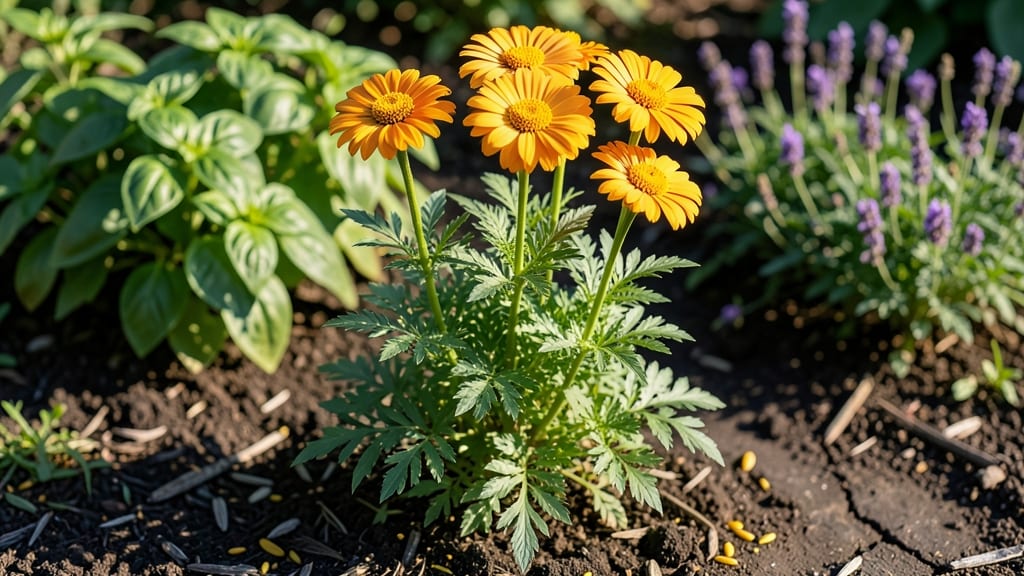
Growing American seed marigolds means bold orange blooms that thrive even when other flowers wilt. 🌻 These hardy annuals burst into color in just 45 days, making them perfect for quick summer impact—and their pest-repelling scent keeps bugs at bay.
They love full sun and well-draining soil, but the real secret is their cold tolerance. Plant seeds directly after your last frost, and they’ll handle light chills better than many other flowers. Just keep the soil moist until germination, then let nature take over—they’re drought-resistant once established.
By midsummer, you’ll have foot-tall plants covered in cheerful blooms that attract pollinators and deter nematodes. The more you grow, the more your garden will thank you for their low-maintenance resilience.
Work them into borders, containers, or even as edging—just pair them with herbs like basil or dill for a pest-free power duo. Here’s how to make them flourish from seed to showstopper.
📚 In This Guide
- What you need
- Instructions
- Tips and common mistakes
- Wrapping up and next steps
What you need
- ● Seeds: 1 packet (approx. 30-50) of Tagetes erecta (American Seed Marigold) seeds. Look for cold-hardy varieties like ‘Jingle Bells’ or ‘Petite Series’ for resilience.
- ● Growing Containers or Garden Bed: For containers: 4-6" pots (1 per seedling) or a 12" tray for 20+ seeds.
- ● For in-ground: Well-draining soil in a sunny spot (6+ hours of sunlight daily).
- ● Potting Mix: 1 bag (5-10 lbs) of high-quality, seed-starting mix (sterile and peat-based for best results).
- ● Watering Can or Spray Bottle: With a fine mist nozzle for gentle hydration.
- ○ Grow Lights (Optional but Helpful): LED or fluorescent lights (12-16 hours/day) if starting indoors before last frost.
- ● Fertilizer: Balanced liquid fertilizer (10-10-10) or slow-release granules (follow package rates).
- ● Plant Labels: Small stakes or markers to track varieties (especially if growing multiple types).
- ● Heat Mat ($15-$25): For indoor starts—keeps soil warm (70-75°F) to speed up germination.
- ● Seedling Heat Dome ($5-$10): Creates a humid microclimate to protect tender seedlings.
- ● Compost or Worm Castings: Mix 1 cup per gallon of soil to boost nutrients.
- ● Mulch (Straw or Shredded Leaves): Helps retain moisture and suppress weeds.
- ● Pruning Shears: For pinching back leggy seedlings to encourage bushiness.
Step-by-step instructions for growing American seed marigolds
Here's how to coax vibrant, cold-tolerant blooms from seed in just 45 days—no fancy tricks, just smart timing.
🌱 Step 1: Start Seeds Indoors 4-6 Weeks Before Last Frost
Fill small seed trays with sterile seed-starting mix and moisten until damp but not soggy. Press the soil surface lightly to create a firm seedbed—this prevents seeds from sinking too deep during watering. Marigold seeds germinate best at 70-75°F, so place trays on a seedling heat mat if your home runs cooler.
Sow seeds ¼ inch deep, spacing them ½ inch apart in rows. I like to use a toothpick to make small holes—it gives me better control than just sprinkling. Cover lightly with additional mix, then mist gently with water until the surface looks uniformly damp. Keep the tray covered with plastic wrap until germination, which typically occurs in 5-10 days.
Here's the thing—marigolds are cold-hardy, but their seeds need warmth to break dormancy. If your house stays below 65°F at night, germination will stall. That's when the heat mat becomes your best friend. Watch for the first green shoots pushing through the soil—this is your cue to remove the plastic wrap immediately to prevent damping-off.
☀️ Step 2: Provide Bright Light and Harden Off Gradually
As soon as seedlings emerge, move them to a south-facing window or under grow lights providing 12-14 hours of light daily. Marigolds grow leggy fast when light is insufficient. You'll know they're getting enough when the stems stay thick and the leaves are a deep, glossy green—not pale or stretched.
Start hardening off 10-14 days before transplanting. Begin with 1 hour of outdoor exposure in a sheltered spot, then gradually increase time each day. By day 7, they should tolerate 4-6 hours outside. I always check the undersides of leaves for wilting—if they look crispy, they're not ready for longer exposure yet.
Don't rush this step. Cold-stressed seedlings wilt dramatically when transplanted too soon. The goal is to build their resilience so they bounce back from chilly spring nights. Once they're hardened off, their cold tolerance improves significantly—this is why they thrive in cooler climates.
🪴 Step 3: Transplant Outdoors After All Frost Risk Has Passed
Choose a location with full sun (6+ hours daily) and well-draining soil. Marigolds hate soggy roots, so amend heavy clay with compost or sand if needed. Dig holes slightly larger than the root ball, then place each seedling in, firming soil gently around the base. Space plants 8-12 inches apart for bushier growth.
Water deeply at transplanting to help roots establish, then maintain 1 inch of water per week. I water in the morning so foliage dries quickly—this prevents fungal diseases that thrive in damp conditions. Mulch with 2-3 inches of straw to retain moisture and regulate soil temperature.
Real talk: American marigolds are tough, but they still need consistent moisture during their first 2 weeks in the ground. Check soil moisture daily by sticking your finger 1 inch deep—if it feels dry, water again. Once established, they become remarkably drought-tolerant, but those first weeks are critical for root development.
✂️ Step 4: Deadhead and Fertilize for Continuous Blooms
Begin deadheading when flowers start to fade—pinch off spent blooms just above the next set of leaves. This encourages the plant to redirect energy into producing more flowers instead of setting seed. I do this every 3-4 days during peak bloom to keep the plants looking tidy and productive.
Feed with a balanced 10-10-10 fertilizer every 4-6 weeks during the growing season. Too much nitrogen makes marigolds grow leafy at the expense of flowers, so I always follow package instructions precisely. You'll see a noticeable difference in bloom quantity within 2 weeks of fertilizing.
Here's where it gets fun—the more you deadhead, the longer your marigolds will flower. Some varieties continue blooming until frost if given proper care. Watch for aphids on new growth, especially if you notice curled leaves. A quick spray with neem oil usually clears them up without harming the plants.
Tips & tricks for growing cold-hardy marigolds
These hard-won lessons will help you grow marigolds that thrive even in cooler climates—no matter where you live.
Temperature Matters: That 70-75°F germination range is non-negotiable for American marigolds. If your home stays below 65°F at night, germination will stall completely. I learned this the hard way after watching trays sit for weeks with no sprouts—now I always use a seedling heat mat for consistent warmth. For extra insurance, place your seed trays on top of the fridge or against a sunny window during the day and move them to a warmer spot at night.
Lighting Secret: Marigolds grow leggy when they don't get enough light, and those stretched seedlings never recover. The 12-14 hours of daily light requirement is strict—if your south-facing window doesn't provide enough, invest in LED grow lights. I position mine just 6 inches above the seedlings and run them on a timer. Watch for leaves that look pale or stretched—this is your first sign of light deprivation. Rotate trays daily so all sides get even exposure.
Harden Off Like a Pro: The gradual hardening process in Step 2 is where most beginners fail. Start with just 1 hour of outdoor exposure and increase by 30 minutes each day. I always choose a sheltered spot protected from wind and direct sun during the first few days. By day 7, your seedlings should handle 4-6 hours outside without wilting. Pro tip: Check the undersides of leaves for crispiness—this is the real test of readiness, not just visual wilting.
Transplanting Wisdom: Those first 2 weeks after transplanting are critical for root establishment. I water deeply every morning and check soil moisture by sticking my finger 1 inch deep—if it feels dry, water again. The 2-3 inches of straw mulch makes all the difference in retaining moisture and regulating soil temperature. Don't skip this step—it's what turns fragile seedlings into tough, cold-resistant plants that will thrive through cooler seasons.
Pro Tips for American Seed Marigold
- These hard-won lessons will help you grow marigolds that thrive even in cooler climates—no matter where you live.
- Temperature Matters: That 70-75°F germination range is non-negotiable for American marigolds.
- Lighting Secret: Marigolds grow leggy when they don't get enough light, and those stretched seedlings never recover.
Frequently asked questions
Got questions about growing American Seed Marigold? You’re not alone!
Here are some of the most common concerns—plus quick, actionable answers to keep your blooms thriving in just 45 days.
When is the best time to plant American Seed Marigolds?
For fastest blooms, sow seeds 2–3 weeks after your last frost date (when soil is at least 60°F). If your growing season is short, start indoors 4–6 weeks before transplanting. These cold-tolerant beauties can handle light frost, but they’ll bolt faster in heat—so avoid planting too early!
How do I speed up blooming to hit the 45-day mark?
To meet that goal, plant in full sun (6+ hours/day) and keep soil moist (not soggy). Use a balanced fertilizer (10-10-10) at planting and again when flowers appear. Deadhead spent blooms regularly—this tricks the plant into producing more flowers faster! Pro tip: Mulch with straw to retain warmth and moisture.
Why aren’t my marigolds blooming in 45 days?
Slow blooms usually mean one of three things: not enough sun, overcrowding, or nutrient deficiency. Check spacing (12–18 inches apart) and move pots to sunnier spots if needed. Yellow leaves? Feed with phosphorus-heavy fertilizer (like 5-10-10). Bonus: Pinch back leggy stems to encourage bushier growth.
Are American Seed Marigolds pest-resistant? What if I see bugs?
Yes! Their strong scent deters nematodes, aphids, and even rabbits. But watch for whiteflies or spider mites in dry heat. Blast them off with water or use neem oil. Prevention tip: Interplant with basil or dill to boost pest-repelling power.
Can I grow American Seed Marigolds in containers?
Use 5-gallon pots or larger with drainage holes, and plant 1–2 seeds per container. Mix in compost for nutrients, and place pots in warm, sunny spots. Container-grown marigolds may bloom slightly slower but still hit 45 days with proper care. Container hack: Add a slow-release fertilizer pellet at planting for easy feeding.
What’s the difference between American Seed Marigolds and other varieties?
American Seed Marigolds (like ‘American Series’ or ‘Tangerine’) are early-blooming, cold-tolerant, and compact (12–18 inches tall). Unlike French marigolds (fragile, tall) or African marigolds (giant, late), these thrive in short seasons and poor soil. Perfect for cut flowers, borders, or edging—and they’re non-invasive!
Wrapping up and next steps
Growing American Seed Marigold is a rewarding journey that brings vibrant color and resilience to your garden in just 45 days—even in cooler climates! These cheerful blooms thrive with minimal fuss, offering pest control, pollinator support, and stunning visual appeal.
Whether you're a seasoned gardener or a curious beginner, their cold-stressed charm makes them a must-try for any outdoor space.
Ready to dive in? Start by gathering your supplies—soil, seeds, and a sunny spot—and plant your first batch today! Watch your garden transform with bold, golden blooms that’ll turn heads (and maybe even inspire your neighbors to try them too). 🌱✨