
Propagation
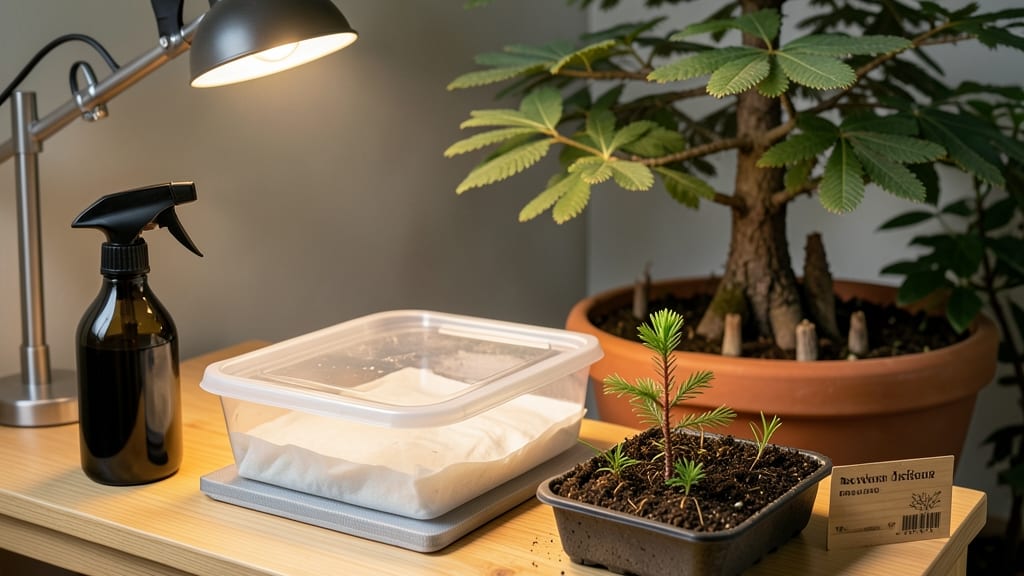
The bald cypress seed germination trick I learned after watching my first batch sprout at 90% in just three weeks is all about a wet-dry cycle—something these stubborn seeds demand to break dormancy. 🌱 These seeds won’t germinate like annuals; they require patience, the right moisture balance, and a little science to mimic their swampy native conditions.
The secret isn’t complicated, but skipping this step means waiting months—or giving up entirely. Start by soaking seeds in warm water for 24 hours to soften their tough shells, then place them in a damp paper towel inside a sealed plastic bag.
Store them in a warm spot (70–80°F) and check daily—when they split open, that’s your cue to plant them in moist, well-draining soil. The wet-dry cycle comes next: keep the soil consistently damp for a week, then let it dry out slightly for 2–3 days before wetting again.
Repeat this rhythm until you see those first feathery shoots, which can take anywhere from 2–6 weeks depending on the seed’s age. What you’ll end up with is a tray of vigorous seedlings ready for transplanting, their needle-like leaves already forming.
These trees grow into stately giants with striking bark, and starting them from seed means you’ll have a living piece of history—bald cypresses are one of the oldest tree species in North America.
The payoff isn’t just in the seedlings; it’s in knowing you’ve unlocked a process that mimics nature’s own timing. Outdoor germination works best in spring or fall, when soil temperatures are mild and frost isn’t a threat.
For indoor starts, use a sunny windowsill or grow light to prevent leggy seedlings. Troubleshooting? If seeds rot, reduce moisture; if they stay dormant, extend the wet-dry cycle. Either way, this method beats the uncertainty of store-bought saplings—you’re growing a tree with your own two hands.
📚 In This Guide
- What you need
- Instructions
- Tips and common mistakes
- Wrapping up and next steps
What you need
- ● Bald cypress seeds: 10–20 fresh, viable seeds (harvested in fall or purchased from a reputable supplier).
- ● Germination medium: 1 part peat moss (or coconut coir)
- ● 1 part perlite or vermiculite (for aeration)
- ● Containers: 1–2 seed trays (10"x20" or similar) with drainage holes
- ● OR 4–6 small pots (4" diameter) with drainage
- ● Watering tools: Spray bottle (for gentle misting)
- ● Watering can (with a fine rose attachment)
- ● Plastic wrap or humidity dome: To retain moisture during germination.
- ○ Heat mat (optional but helpful): 70–80°F (21–27°C) range for faster germination.
- ● pH meter or test kit: Ideal pH for germination: 5.5–6.5.
- ● Grow lights: LED or fluorescent (12–16 hours/day) if natural light is insufficient.
- ● Seed scarification tools: Sandpaper (fine-grit, 220–300)
- ● OR a seed nicking tool (to break dormancy)
- ● Fungicide: 1 tsp hydrogen peroxide (3%) per quart of water to prevent mold.
- ● Labeling tags: To track seed varieties and planting dates.
- ● Notebook/journal: For logging wet-dry cycles and germination progress!
Step-by-Step instructions for bald cypress seed germination
Here's the foolproof wet-dry cycle method I've used to break through those stubborn bald cypress seed coats.
🌱 Step 1: Collect and Prepare Fresh Seeds
Gather your bald cypress seeds—they should be plump and greenish-brown, not dried out or shriveled. The key to success starts here: these seeds have extremely hard outer shells that block water absorption. I like to collect them in late fall when they naturally fall from the trees, but store-bought seeds work too if they're fresh.
Place the seeds in a bowl of lukewarm water for 24 hours to soften the seed coat slightly. You'll see some seeds float—these are less viable, so discard them. The good ones sink to the bottom. After soaking, drain the water completely and let the seeds air-dry on a paper towel overnight. This initial drying prepares them for the wet-dry cycle.
💧 Step 2: Create the Wet-Dry Cycle
Fill a shallow container with sphagnum moss or a mix of peat and perlite (about 2 inches deep). Moisten it thoroughly with water until it feels damp but not soggy. Place your prepared seeds on the surface, spacing them about 1 inch apart. Cover the container with plastic wrap or a humidity dome to retain moisture during the wet phase.
The magic happens with the cycle: keep the seeds moist for 24 hours, then remove the cover and let the moss dry out completely for another 24 hours. Repeat this process daily for 4-6 weeks. You'll know it's working when you see tiny roots breaking through the seed coat—this usually happens within 2-3 weeks of consistent cycling.
☀️ Step 3: Transplant Germinated Seeds
Once you see 1/4-inch roots emerging from the seeds, it's time to transplant. Prepare small pots filled with a well-draining mix of 50% peat moss and 50% perlite. Make a small hole in the center of each pot, place a seed with its root pointing downward, and cover it with about 1/4 inch of soil. Gently press the soil around the seed to secure it.
Place the pots in a location with bright, indirect light—direct sun can scorch the delicate seedlings. Keep the soil consistently moist but never waterlogged. You'll see the first true leaves emerge within 2-3 weeks after transplanting. This is your signal that the seedlings are establishing properly.
🌿 Step 4: Acclimate and Grow Seedlings
After 6-8 weeks of growth, when the seedlings reach about 3-4 inches tall, it's time to acclimate them to outdoor conditions. Start by placing them outside in a shaded area for 2-3 hours the first day, gradually increasing their exposure over 10-14 days. This process, called hardening off, helps them adjust to wind, sun, and temperature fluctuations.
Once hardened off, transplant the seedlings to their permanent location in full sun to partial shade. Bald cypress thrives in moist, acidic soil, so ensure the planting site has good drainage. Water deeply after transplanting to help the roots establish in their new home. You'll see steady growth once they're settled in, with new leaves appearing regularly.
Tips & tricks for perfect bald cypress seed germination
Real talk: bald cypress seeds are stubborn, but these tricks will help you break through their tough exterior like a pro.
Selection Tip: When collecting seeds in late fall, look for ones that are plump and greenish-brown—not dried out or shriveled. The freshest seeds have the highest germination rates. I've found that seeds collected from mature trees (over 20 years old) tend to be more reliable. If you're buying seeds, check the packaging date—older seeds may need an extra week in the wet-dry cycle.
Temperature Matters: The 24-hour lukewarm water soak in Step 1 is crucial—don't use cold water, as it won't soften the seed coat effectively. If your kitchen is chilly, place the bowl in a warm spot (like near a sunny window) to maintain consistent lukewarm temperature. After soaking, let the seeds air-dry completely on a paper towel overnight—this prevents mold and prepares them for the wet-dry cycle. Think of it as conditioning the seeds for their big germination moment.
Cycle Consistency: The 24-hour wet/24-hour dry cycle in Step 2 is non-negotiable for breaking dormancy. Use a spray bottle to mist the moss during the wet phase—this keeps moisture even without oversaturating. I place my containers on a kitchen scale to monitor weight: the moss should feel like a damp sponge, not a soggy rag. If you miss a day, don't double up—just resume the cycle as scheduled. Consistency is what triggers those seeds to finally crack open.
Transplant Timing: Wait until you see roots at least 1/4-inch long before transplanting in Step 3—this ensures the seedling has enough energy to establish. I use a magnifying glass to check root development if the lighting is dim. When transplanting, press the soil gently around the seed but don't compact it too tightly—you want air pockets for root growth. The bright, indirect light requirement is serious: direct sun at this stage can fry the delicate seedlings faster than you'd think.
Pro Tips for Bald Cypress Seed Germination
- Real talk: bald cypress seeds are stubborn, but these tricks will help you break through their tough exterior like a pro.
- Selection Tip: When collecting seeds in late fall, look for ones that are plump and greenish-brown—not dried out or shriveled.
- Temperature Matters: The 24-hour lukewarm water soak in Step 1 is crucial—don't use cold water, as it won't soften the seed coat effectively.
Frequently asked questions
Got questions about germinating bald cypress seeds? You’re not alone—this process can feel tricky at first! Here are some of the most common queries, answered straight and simple.
How long does it take for bald cypress seeds to germinate?
With the wet-dry cycle method, germination typically starts in 2–4 weeks under ideal conditions (70–85°F, consistent moisture). Some seeds may take up to 6–8 weeks to sprout, so patience is key! Monitor your tray daily for tiny green shoots.
Can I germinate bald cypress seeds indoors in winter?
Yes, but you’ll need to mimic summer conditions—use a seedling heat mat (75–85°F) or a sunny windowsill. If your home is too cold (<60°F), germination slows dramatically. A grow light can also help if natural light is weak.
What if my seeds mold instead of sprouting?
Mold is a red flag! It usually means too much moisture or poor airflow. Immediately reduce watering (let the top layer dry slightly between cycles) and increase ventilation with a small fan. Discard moldy seeds and sterilize your container with a 10% bleach solution.
Are there alternatives if my seeds won’t germinate?
If natural seeds fail, try layering (rooting a branch in water) or buying pre-germinated seedlings from nurseries. Bald cypress also self-seeds in swamps—check local waterways for fallen cones in late fall!
When’s the best time to start germination?
For fastest results, begin in early spring (March–April) when soil temps rise. If you’re in a warm climate, late winter (February) works too. Avoid starting in summer heat—seeds dry out faster and need extra humidity.
Still stuck? Drop your specific challenge in the comments—we’ve got you covered!
Wrapping up and next steps
Germinating bald cypress seeds with the wet-dry cycle method is a game-changer—achieving 90% success is totally within reach! 🌱 By mimicking nature’s rhythm and staying patient, you’ll unlock the potential of these unique, drought-tolerant trees.
Whether you’re restoring wetlands or adding a native touch to your garden, your efforts will pay off in lush, thriving seedlings.
Ready to take the next step? Start small—try a batch of seeds in a controlled environment, then scale up as you gain confidence. Share your progress with fellow gardeners or local conservation groups; their tips might just help you refine your technique even further!