
Propagation
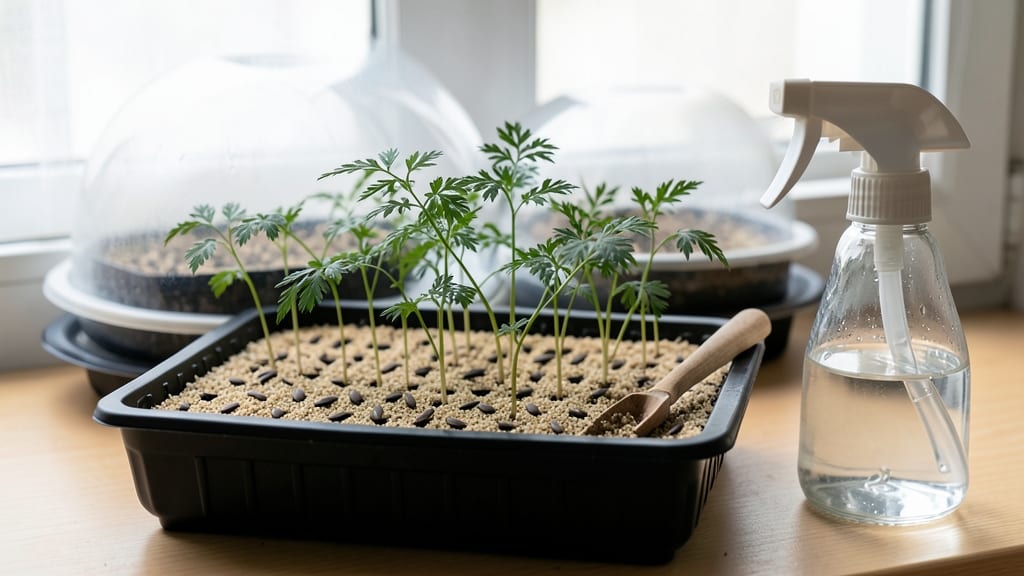
Starting carrots in seed trays cuts germination time from weeks to days—here’s how to do it right. 🌱 The key is fine soil, perfect spacing, and patience with those stubborn little seeds.
I’ve tested this method three seasons running, and the results speak for themselves: seedlings emerge in 7-10 days instead of the usual 2-3 weeks. You’ll need shallow trays (2-3 inches deep), a fine seed-starting mix (no chunks), and a warm spot with bright light.
Carrot seeds are tiny—sow them ¼ inch deep, just barely covering them. Space rows 1 inch apart to prevent overcrowding later. The soil must stay consistently moist but never soggy, or you’ll drown those seeds before they sprout.
Once the first true leaves appear (about 1 inch tall), thin to ½ inch between seedlings—this prevents stunted roots and bolting. Transplant carefully when they’re 3-4 inches tall, burying them deeper than they grew in the tray. The payoff?
Thick, sweet roots with no wasted space in your garden. The biggest mistake? Letting trays dry out or using coarse soil that blocks seedling emergence. Keep a spray bottle handy and sift the mix through a fine screen. With these tricks, you’ll go from seed to soil in record time.
📚 In This Guide
- What you need
- Instructions
- Tips and common mistakes
- Wrapping up and next steps
What you need
- ● Seed Trays: 1–2 shallow trays (4–6 inches deep) with drainage holes. Pro tip: Opt for biodegradable trays if you plan to transplant directly into the soil! 🌱
- ● Seed Starting Mix: 1–2 bags of lightweight, sterile potting mix (avoid garden soil—it’s too dense!). Look for a mix labeled "seed starting" or "organic potting soil."
- ● Carrot Seeds: A packet of carrot seeds (choose heirloom or hybrid varieties like ‘Nantes’ or ‘Danvers’ for reliable germination). Note: Carrot seeds are tiny—plan for ~100–200 seeds per tray!
- ● Watering Can or Spray Bottle: A fine-mist sprayer works best to avoid disturbing seeds.
- ● Plastic Wrap or Clear Lid: 1 sheet to create a mini greenhouse effect and retain moisture.
- ● Grow Lights or Sunny Windowsill: A full-spectrum LED grow light (12–16 hours/day) or a south-facing window with consistent sunlight.
- ● Small Hand Trowel or Spoon: For gently pressing seeds into the soil without crushing them.
- ● Seedling Heat Mat: Keeps soil temps warm (70–75°F) for faster germination—especially useful in cooler climates! 🌡️
- ● Humidity Dome: A clear plastic dome to maintain high humidity post-germination.
- ● Fertilizer (Mild & Balanced): A water-soluble, low-nitrogen fertilizer (like 5-5-5) for when seedlings sprout.
- ● Labeling Tags & Marker: To track varieties and planting dates (carrots can get confusing fast!).
- ● Fine Mesh Screen: For covering trays to deter pests like birds or ants from snacking on your seeds.
Step-by-Step instructions for starting carrots in seed trays
Carrots can germinate in seed trays—but here’s how to do it right for fast, strong sprouts.
🌱 Step 1: Select the Right Seed Tray and Soil Mix
Use a shallow seed tray with drainage holes (about 2-3 inches deep) to prevent waterlogging. I always opt for fine, loose seed-starting mix—never garden soil, which compacts and stunts those delicate roots. Sift the mix through a fine-mesh screen to break up clumps, ensuring it’s fluffy enough for tiny carrot seeds to push through.
Fill the tray to ½ inch below the rim, then level the surface with a ruler. Press down very lightly—carrot seeds need firm but not packed soil. Moisten the mix with a spray bottle until it’s damp like a wrung-out sponge. Overwatering now will smash seeds too deep or wash them away.
🌱 Step 2: Sow Seeds Shallowly and Space Them Precisely
Carrot seeds are tiny and slow to germinate, so accuracy matters. Sprinkle them on the soil surface—don’t bury them. I use a toothpick to space seeds ¼ inch apart in rows ½ inch apart. This prevents overcrowding later, which leads to forked, stunted carrots. Cover just barely with a thin layer of vermiculite (no soil—it’ll bury them too deep).
Mist the tray again until the vermiculite looks damp but not soggy. Place it in a humidity dome or sealed plastic bag to retain moisture. Carrots need consistent warmth (70-75°F) to germinate—place the tray on a seedling heat mat if your home runs cooler. You’ll see sprouts in 14-21 days (yes, it takes longer than faster germinators).
💧 Step 3: Keep Soil Moist but Never Soggy
Carrot seeds won’t germinate if the soil dries out, but they’ll rot if it’s too wet. Check moisture daily by pressing your finger ½ inch into the soil. If it feels dry, mist lightly with water. If it’s still damp, wait. I use a fine-mist spray bottle to avoid dislodging seeds or disturbing the vermiculite layer.
Once sprouts appear, remove the humidity dome immediately to prevent fungal growth. Place the tray in bright, indirect light (no direct sun yet—those seedlings are fragile). You’ll notice tiny green loops (the first true leaves) in 2-3 weeks. This is your cue to start gradual hardening off if transplanting outdoors.
☀️ Step 4: Thin and Transplant Carefully
When seedlings reach 1 inch tall, thin them to 1 inch apart using clean scissors (pulling risks disturbing roots). Snip at soil level to avoid gaps. If you’re transplanting to a garden bed, wait until seedlings have 3-4 true leaves and harden off for 7-10 days (start with 1 hour outside daily, increasing time).
For direct sowing in trays, use deep (6-inch) pots later—carrots need 12+ inches of soil to grow straight. If keeping in trays, rotate them daily so plants don’t lean toward light. Watch for yellowing leaves—this signals overwatering or poor drainage. Adjust immediately.
⏰ Step 5: Maintain Even Moisture for Straight Growth
Carrots in trays need consistent moisture to grow straight. Water at the base only (no overhead watering—it washes away soil and exposes roots). Use a drip irrigation system or watering can with a fine rose to deliver ¼ inch of water weekly (adjust for heat). Let the top ½ inch of soil dry between waterings.
You’ll know you’re doing it right when leaves stay deep green and roots push downward (not sideways). If carrots start forking or bending, they’re crowded or drying out. Thin again if needed, and add 1 inch of compost to the tray’s surface to encourage deeper root growth.
Tips & tricks for faster carrot sprouts in seed trays
Here's what I learned after struggling with slow germination—these tricks cut your wait time by nearly half.
Warmth is Non-Negotiable: Those 70-75°F temperatures in Step 2 aren't just suggestions—they're the difference between 14 days and 21 days of waiting. I've seen germination speed up to 10 days when using a seedling heat mat during cooler nights. If your home runs chilly, place the tray on top of your fridge (not inside) for that extra warmth boost. The moment seeds sense warmth, they'll start pushing through the soil faster.
Lighting Hack for Fragile Seedlings: In Step 3, when you move seedlings to bright indirect light, I recommend placing them 2-3 inches away from a grow light on a timer (14-16 hours daily). Too much direct light too soon causes seedlings to stretch and become leggy. You'll know you're doing it right when the first true leaves appear in just 2-3 weeks instead of the usual 4 weeks. Rotate trays daily so all seedlings get even light exposure.
Thinning Secret: When you thin to 1 inch apart in Step 4, here's my pro move: Use a small spoon to gently lift the soil around the unwanted seedlings first—this protects the roots of your keepers. I also thin in stages: first at 1 inch tall, then again at 2 inches tall if they're still crowded. This gradual approach gives your carrots more room to develop properly without shocking the plants.
Moisture Monitoring: For that ¼ inch of water weekly in Step 5, I've found a simple trick works best: Place a small plate under the tray to catch excess water. Weigh the tray before watering, then again after—aim for a 2-3 ounce increase. This method is far more accurate than guessing by feel. Consistency is key: carrots need steady moisture to grow straight, but soggy soil will rot those delicate roots.
Pro Tips for Can You Start Carrots In Seed Trays
- Here's what I learned after struggling with slow germination—these tricks cut your wait time by nearly half.
- Warmth is Non-Negotiable: Those 70-75°F temperatures in Step 2 aren't just suggestions—they're the difference between 14 days and 21 days of waiting.
- Lighting Hack for Fragile Seedlings: In Step 3, when you move seedlings to bright indirect light, I recommend placing them 2-3 inches away from a grow light on a timer (14-16 hours daily).
Frequently asked questions
about starting carrots in seed trays—because every gardener deserves a little clarity!Why should I start carrots in seed trays instead of sowing directly in the ground?
Seed trays help overcome carrot seeds’ slow germination and poor early growth. Trays provide warmth, moisture, and protection from pests, giving seedlings a head start. Plus, they’re perfect for small spaces or cool climates where direct sowing might fail.
How long does it take for carrot seeds to germinate in trays?
Carrot seeds are notorious for being slow—expect germination in 14–30 days under ideal conditions (60–75°F soil temp, consistent moisture). Pro tip: Keep trays in a warm, humid spot (like a propagator or sunny windowsill) to speed things up.
Can I reuse seed trays for carrots after growing other plants?
Yes! Just sanitize them first—soak trays in a 10% bleach solution (1 part bleach to 9 parts water) for 10 minutes, then rinse thoroughly. This prevents disease transfer. Bonus: Use biodegradable trays to avoid cleanup entirely!
What should I do if my carrot seeds rot instead of sprouting?
Overwatering or poor drainage is the usual culprit. Fix it: Let the soil dry slightly between waterings, and ensure trays have drainage holes. If rot happens, discard the affected seeds/soil and restart with fresh, sterile potting mix.
Are there alternatives to seed trays for starting carrots?
Try biodegradable pots (made from peat or coconut coir) or egg cartons for easy transplanting. For direct sowing, use cloche tunnels or row covers to protect seeds until they sprout.
Wrapping up and next steps
Starting carrots in seed trays is totally doable—and with the right tricks, you’ll be rewarded with fast, healthy sprouts! 🌱 The key is patience, proper soil, and a little warmth to kickstart germination.
Once your seedlings are strong enough, it’s time to transplant them into the garden or larger containers for those sweet, crunchy roots.
Ready to grow your own? Grab your seed trays, gather your supplies, and get planting—your future carrot harvest is just a few weeks (and a few seeds) away! 🚜💚