
Lawn
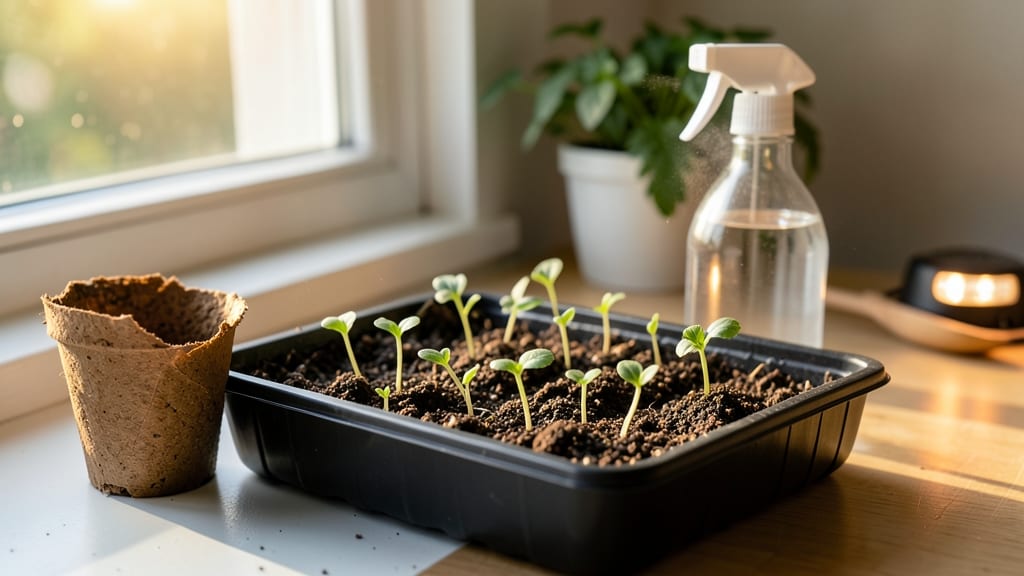
Marigold seeds hate slow starts—here’s how to shock them into fast sprouts even when your soil’s still chilly. 🌱 I’ve watched these stubborn little seeds languish for weeks until I discovered the cold-stress trick that cuts germination time in half.
The secret isn’t fancy equipment—it’s a simple tweak to temperature and moisture that tricks seeds into thinking spring’s already arrived. Most gardeners overwater or bury seeds too deep, both of which smother marigolds.
Plant them just ¼-inch below soil, keep the mix damp (not soggy), and cover the tray with plastic wrap to trap warmth. Within 5-7 days, you’ll see those first tiny green hooks breaking through—no waiting months for blooms. The key is patience with the process, not the seeds themselves.
Once sprouts appear, move them to bright light (a sunny windowsill or grow light) and reduce humidity gradually. You’ll have bushy seedlings ready for transplanting in about 3 weeks, with blooms arriving 6-8 weeks after that—far faster than the standard 10-week wait.
The cold-stress method works for all marigold varieties, from French to African types. For best results, pre-chill your seeds for 24 hours in the fridge before planting. This mimics winter’s natural dormancy cycle and signals the seeds it’s time to grow.
Avoid common mistakes like letting soil dry out or crowding seedlings too soon—both stunt growth. With this hack, you’ll enjoy vibrant marigolds earlier than ever.
📚 In This Guide
- What you need
- Instructions
- Tips and common mistakes
- Wrapping up and next steps
What you need
- ● Marigold seeds: 50–100 seeds (non-GMO, heirloom varieties like French Marigold or African Marigold work best).
- ● Growing trays or containers: 1–2 shallow trays (4–6 inches deep) with drainage holes, or 6–12 small pots (3–4 inches wide).
- ● Seed-starting mix: 2–3 cups of sterile, lightweight potting soil (avoid garden soil—it’s too dense!).
- ● Plastic wrap or humidity dome: A sheet of clear plastic or a store-bought propagator lid to retain moisture.
- ● Spray bottle: A fine-mist sprayer for gentle watering (avoid over-saturating!).
- ● Refrigerator (for cold stress): A standard fridge set to 35–40°F (2–4°C)—no freezer needed!
- ● Grow lights or sunny windowsill: A LED grow light (12–16 hrs/day) or a south-facing window (6+ hrs of sunlight).
- ● Plant labels: To track seed varieties and planting dates.
- ○ Heat mat (optional): A seedling heat mat (70–75°F) to speed up germination post-cold stress.
- ● Fertilizer: A balanced, water-soluble fertilizer (5-5-5 or 10-10-10) for transplanting.
- ● Tweezers: For delicate seed placement (helpful for tiny seeds!).
- ○ Thermometer (optional): To monitor soil temps during cold stress (aim for 40°F/4°C).
How to cold-stress marigold seeds for faster germination
Cold-stressing marigold seeds mimics nature’s winter-spring cycle and triggers faster, more vigorous germination.
🌱 Step 1: Prep Seeds for Cold Treatment
Place marigold seeds in a clean, dry container—no need to soak them first. The cold treatment works best with dry seeds, so avoid wetting them until after stratification. I like to use a small paper envelope or a shallow dish with a lid to keep things contained.
Label the container with the seed variety and date—this helps track germination progress. Marigolds need 4-6 weeks of cold treatment, so mark your calendar now. Store the container in your fridge’s crisper drawer, where temperatures hover around 35-40°F. This mimics winter conditions and breaks seed dormancy.
❄️ Step 2: Cold-Stress for 4-6 Weeks
Check the container weekly to ensure no moisture has accumulated—condensation can lead to mold. If you notice dampness, open the container for a few hours to air it out. The goal is cold exposure, not wetness.
After 4 weeks, transfer the seeds to a slightly warmer spot (50-55°F) for another 2 weeks. This gradual warming mimics spring’s arrival and signals the seeds to germinate. You’ll see the first signs of life—tiny root hairs or swollen seeds—within 7-10 days of this temperature shift.
☀️ Step 3: Plant Cold-Treated Seeds
Fill seed-starting trays with moistened potting mix (not garden soil) and press it down lightly to remove air pockets. Plant seeds ¼ inch deep, spacing them 1 inch apart—marigolds germinate best when not crowded. Gently water the soil until it’s damp but not soggy.
Place the trays in a warm, bright spot (70-75°F) with indirect light. A seedling heat mat speeds up germination, but a sunny windowsill works too. Keep the soil consistently moist—not wet—until sprouts appear in 7-14 days. Avoid overwatering; marigold seeds rot quickly in soggy soil.
🌿 Step 4: Transition to Growing Conditions
Once seedlings emerge, move them to a south-facing window or under grow lights for 14-16 hours daily. Weak, leggy seedlings mean insufficient light—adjust immediately to prevent stunted growth. You’ll know they’re thriving when the first true leaves (not the initial seed leaves) appear 2-3 weeks after sprouting.
At this stage, harden off seedlings by placing them outdoors for 1-2 hours daily, gradually increasing exposure over 7-10 days. Transplant outdoors 2-3 weeks after true leaves form, when soil temperatures reach 60°F or warmer. Cold-stressed seeds produce stockier, more resilient plants that bloom 2-3 weeks earlier than untreated seeds.
Tips & tricks for perfect marigold sprout germination
Here's what nobody tells you about maximizing your marigold seeds' potential during cold treatment.
Container Choice Matters: Use a container with small air holes or a breathable fabric pouch to prevent moisture buildup during the 4-6 week cold treatment. I've ruined batches with plastic containers where condensation caused mold—paper envelopes or mesh bags work best. The goal is cold exposure, not a damp environment that encourages rot.
Temperature Precision: While the fridge's crisper drawer typically sits at 35-40°F, verify your specific fridge temperature with a thermometer. Some models run cooler, and marigolds need consistent cold exposure. If your fridge runs hotter, transfer the container to the freezer's vegetable drawer where temps hover around 32-35°F for the first 4 weeks.
Signs of Success: In Step 2, watch for these subtle cues that germination is about to begin: seeds will develop tiny white root hairs or swell slightly. This typically happens within 7-10 days after transferring to the 50-55°F warmer spot. Don't be tempted to check daily—this temperature shift is what triggers the seeds' internal clock to start growing.
Lighting Strategy: For Step 3, position your seed trays within 6 inches of a south-facing window or under grow lights. Marigolds need intense light to prevent leggy growth. If using grow lights, LED bulbs with a 6500K color temperature work best. I've seen seedlings stretch dramatically when light was insufficient—this is your first warning sign to adjust lighting immediately.
Pro Tips for Marigold Seed Sprouts
- Here's what nobody tells you about maximizing your marigold seeds' potential during cold treatment.
- Container Choice Matters: Use a container with small air holes or a breathable fabric pouch to prevent moisture buildup during the 4-6 week cold treatment.
- Temperature Precision: While the fridge's crisper drawer typically sits at 35-40°F, verify your specific fridge temperature with a thermometer.
Frequently asked questions
about marigold seed sprouts—especially when using the cold-stress germination hack—can save you time and frustration. Here are answers to the most common queries:Why do marigold seeds need cold treatment to sprout faster?
Cold-stress germination (also called stratification) mimics winter conditions, breaking seed dormancy. Marigold seeds often sprout more reliably and quickly when exposed to cold (like a fridge) for 1–2 weeks before planting. This trick helps them bypass natural delays and bloom sooner!
How long should I keep marigold seeds cold before planting?
For best results, store damp seeds in a sealed bag in the fridge (34–40°F) for 7–14 days. Check daily for mold—if you see fuzzy growth, plant immediately. Over-stratifying (beyond 2 weeks) can reduce viability, so timing is key!
What’s the ideal temperature for sprouting marigold seeds after cold treatment?
After cold treatment, keep seeds warm (70–75°F) and moist for consistent germination. A sunny windowsill or seedling heat mat works well. Avoid cold soil (<50°F), which slows growth. Pro tip: Use a clear plastic dome to trap humidity until sprouts appear!
Can I reuse cold-treated marigold seeds if they don’t sprout the first time?
No—once seeds are cold-treated, their dormancy is broken, and they won’t respond to a second round. If they fail to sprout after 2–3 weeks, discard them and try fresh seeds. Store new seeds in a cool, dry place for future use.
Are there alternatives to cold treatment for faster marigold germination?
Yes! Soak seeds in warm water for 24 hours before planting, or use a sandwich method: place seeds between damp paper towels in a warm spot. Some gardeners also swear by a quick hot-water dip (120°F for 24 hours) to soften seed coats. Test small batches first!
What should I do if my marigold sprouts turn leggy or weak?
Leggy sprouts signal insufficient light. Move seedlings to a bright, indirect light source (like a south-facing window) or use grow lights 12–14 hours daily. Avoid overcrowding—thin seedlings to 1 inch apart to prevent competition. A weak stem? Bury it deeper when transplanting for extra support!
Wrapping up and next steps
Growing marigold seed sprouts with cold stress isn’t just a clever trick—it’s your secret weapon for bursting blooms and a thriving garden! By chilling seeds before planting, you’ll unlock faster germination, sturdier seedlings, and a head start on the growing season.
Whether you’re a seasoned gardener or just starting, this hack is simple, cost-effective, and packed with potential.
Ready to put your new skills to work? Grab those marigold seeds, follow the steps, and watch your garden transform! 🌱 For extra confidence, experiment with different cold-stress durations or pair these sprouts with complementary flowers for a showstopping display. Happy growing—your future blooms are waiting! 🌻