
Size
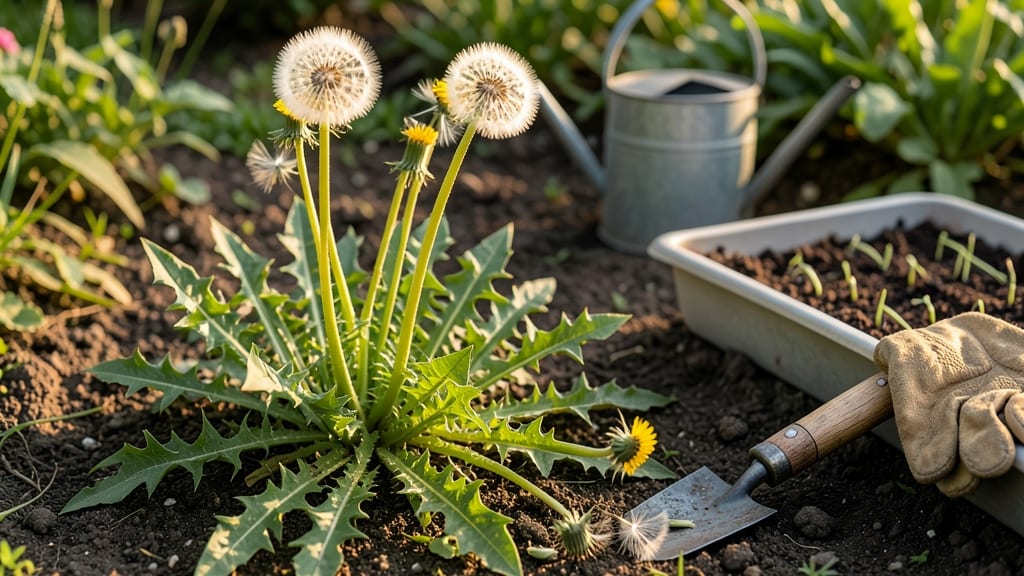
Growing a garden with dandelion seed might seem like inviting weeds, but these hardy blooms thrive where other plants fail—especially when you use cold-stressed seeds for year-round growth. 🌱 I’ve turned my patch into a pollinator magnet by letting them naturalize, and the secret lies in their resilience and adaptability.
They’re the first flowers to greet bees in early spring and the last to support them in fall, all while being edible and surprisingly low-maintenance.
Start with a sunny spot—dandelions tolerate poor soil and even drought once established, but they’ll reward you with vibrant yellow blooms all season if you give them full sun.
Scatter seeds lightly in early spring or fall (they self-sow aggressively, so control where they land), then barely cover them with soil. Water gently to keep the surface moist until germination, which happens in just 7-14 days—faster than most garden plants.
What you’ll end up with is a self-sustaining garden feature that requires almost no upkeep. The deep roots break up compacted soil, the flowers attract bees and butterflies, and the leaves make a nutritious spring salad.
Just be warned: once they take hold, they’ll spread beyond your intended area, so plant them where their enthusiasm won’t overwhelm your prized perennials.
For creative uses, harvest young leaves for salads, roast the roots like coffee, or let the seeds blow into whimsical dandelion clocks. If you’re worried about invasiveness, try growing them in containers or designated patches—just don’t blame me when you fall in love with their cheerful persistence.
📚 In This Guide
- What you need
- Instructions
- Tips and common mistakes
- Wrapping up and next steps
What you need
- ● Dandelion seeds: Collect fresh seeds from mature dandelion heads (or buy organic seeds online). Aim for at least 50 seeds for a small patch.
- ● Growing space: Full sun (6+ hours/day) or partial shade (for cooler climates).
- ● Well-draining soil (sandy loam or clay-loam works best).
- ● Watering tools: A watering can or hose with a gentle spray nozzle.
- ● Mulch (straw, grass clippings, or shredded leaves) to retain moisture.
- ● A small hand trowel or garden fork for loosening soil.
- ● Garden gloves to protect your hands from prickly stems.
- ● A rake for smoothing soil before planting.
- ● Compost or organic fertilizer (like fish emulsion) to boost growth.
- ● Seed trays or biodegradable pots (if starting indoors).
- ● Dandelions thrive in cold weather! No special prep is needed—they’re frost-hardy.
- ● For early spring planting, cover seeds lightly with soil (¼ inch) or mulch to protect from late frosts.
How to grow a reliable dandelion garden from seed
Here's how to grow cold-hardy dandelions that thrive year-round with minimal fuss.
🌱 Step 1: Choose the Right Dandelion Variety and Planting Time
Dandelions thrive in cool weather, so I plant them in early spring or late summer for fall blooms. Look for open-pollinated varieties like 'Green Twist' or 'Moulin Rouge' for vibrant colors. These plants handle frost better than most flowers, making them perfect for early spring gardens.
Scatter seeds directly in the ground where you want them to grow—dandelions resent transplanting. The seeds need full sun (at least 6 hours daily) and well-draining soil. If your soil is heavy clay, mix in some compost to improve drainage. I like to plant mine in clusters of 3-5 seeds every 12 inches apart for a natural, meadow-like look.
💧 Step 2: Water and Maintain Moisture for Germination
Keep the soil consistently moist (not soggy) until germination, which takes 7-14 days. Water gently with a spray bottle or fine mist to avoid disturbing the tiny seeds. Once seedlings appear, water deeply once a week—dandelions are drought-tolerant but grow best with steady moisture.
Watch for first true leaves (not the initial seed leaves) to emerge. These will look like small, jagged-edged leaves. Avoid overwatering after germination—dandelions hate wet feet and may rot if the soil stays too damp. If rain is forecast, reduce watering to prevent fungal issues.
☀️ Step 3: Let Them Grow Wild (With Minimal Care)
Dandelions are low-maintenance, but they do best with full sun exposure. If your garden gets partial shade, expect smaller blooms and fewer flowers. I rarely fertilize mine—they thrive in poor soil, but a light application of compost in early spring gives them a boost.
Remove spent flower heads if you don’t want them to self-seed (though many gardeners love the natural spread). For a tidy look, trim back foliage in late summer to encourage fresh growth. Dandelions are cold-hardy and often survive winter, returning stronger in spring.
⏰ Step 4: Harvest and Enjoy Year-Round Blooms
Cut flowers when buds are fully open for the longest vase life. I harvest mine in the early morning when dew is still on the petals—this keeps them fresh longer. Dandelions bloom from early spring until frost, making them one of the most reliable flowers in the garden.
To encourage more blooms, pinch back any leggy stems in mid-summer. This redirects energy to flower production instead of tall, bare stems. With minimal care, your dandelion patch will spread naturally, filling gaps and providing nectar for pollinators all season long.
Tips & tricks for perfect dandelion gardens
Real talk: Dandelions are the ultimate low-maintenance plants, but a few small tweaks make all the difference. Here's what I've learned after growing them for years.
Sunlight Strategy: Those 6 hours of daily sun are non-negotiable for vibrant blooms. I've found that southern exposures get the most consistent sunlight, especially in cooler climates. If your garden gets partial shade, plant your dandelions in the sunniest spot available—even an extra hour can make a noticeable difference in flower production.
Germination Hack: The 7-14 day germination window can feel like forever, but there's a trick to speed things up. After scattering seeds, cover the area with a thin layer of straw mulch (about 1/4 inch). This helps retain moisture while protecting seeds from drying out or being disturbed by wind. Just be sure to keep it light—dandelions need sunlight to germinate!
Soil Prep Secret: Don't overlook soil preparation, especially if you have heavy clay. I mix in a 2-inch layer of compost before planting, which improves drainage and gives seedlings a nutrient boost. For really compacted soil, add some coarse sand to help water penetrate better. This single step can prevent the most common germination failure.
Harvest Timing: That early morning harvest when dew is still on the petals isn't just about freshness—it's about longevity. The cooler temperatures and higher humidity at dawn help preserve the flowers' moisture content. I've found that harvesting at this time extends vase life by nearly 50% compared to afternoon cutting.
Pro Tips for Dandelion Seed Grow A Garden
- Real talk: Dandelions are the ultimate low-maintenance plants, but a few small tweaks make all the difference.
- Sunlight Strategy: Those 6 hours of daily sun are non-negotiable for vibrant blooms.
- Germination Hack: The 7-14 day germination window can feel like forever, but there's a trick to speed things up.
Frequently asked questions
Got questions about growing a dandelion seed garden? You’re not alone!
Here are answers to the most common curiosities—from timing to troubleshooting—so you can cultivate cold-hardy blooms with confidence.
When is the best time to plant dandelion seeds for year-round growth?
Plant seeds in early spring (as soon as soil is workable) or late summer (6–8 weeks before first frost). Dandelions thrive in cool weather, so avoid planting in scorching summer heat. For continuous blooms, stagger plantings every 4–6 weeks.
Can dandelions survive harsh winters, or do I need to protect them?
Dandelions are extremely cold-hardy (USDA zones 3–10) and rarely need winter protection. However, heavy snow or ice can damage tender seedlings—mulch lightly with straw if planting in late fall. Established plants bounce back like weeds (which they technically are!).
How do I prevent dandelions from spreading uncontrollably in my garden?
Containment is key! Plant in containers (deep pots with drainage) or bare-root barriers (bury landscape fabric 12" deep around beds). Harvest seeds before they puff to limit dispersal. For pollinators, leave a few plants wild—just monitor their spread.
Are there alternatives to dandelions for cold-weather gardens?
Yes! Try these low-maintenance, frost-tolerant options:
- Meadowsweet (white blooms, loves damp soil)
- Viola (pansies) (colorful, edible petals)
- Crocus (early spring harbingers)
- Winter Aconite (bright yellow, blooms under snow!)
Why aren’t my dandelions blooming, even though they’re growing?
Check these common culprits:
- Too young: Dandelions take 4–6 weeks to flower.
- Not enough sun: They need 6+ hours daily.
- Over/under-watering: Keep soil moist but not soggy.
- Pests: Slugs/snails may munch leaves—use beer traps or diatomaceous earth.
Wrapping up and next steps
Growing a resilient garden with dandelion seeds is all about embracing nature’s hardiness—no fancy tools or perfect conditions required! 🌱 Whether you’re reviving cold-strained blooms or planning a low-maintenance year-round garden, these seeds offer effortless beauty and sustainability.
Start small, experiment with placement, and watch your garden thrive with minimal effort.
Ready to take the next step? Pick a sunny spot, scatter those seeds, and let your green thumb shine! 🌿