
Propagation
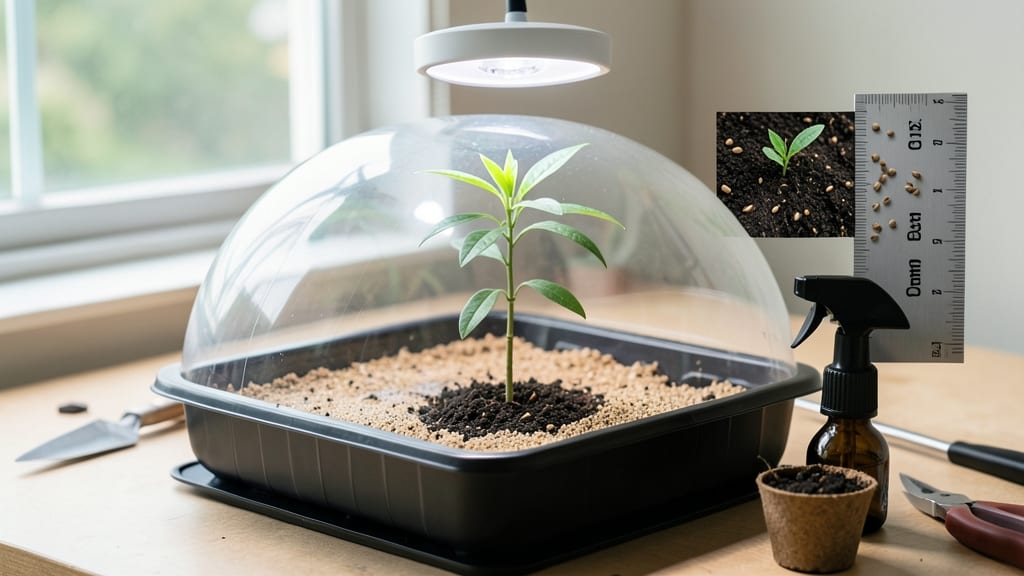
Eucalyptus seed propagation starts with a damp paper towel and a patient attitude. 🌱 The moist heat trick is what transforms stubborn seeds into seedlings—no fancy equipment needed, just a plastic bag and a warm spot.
I’ve watched eucalyptus seeds break dormancy in just 10-14 days when given the right conditions, and the first green shoot is worth the wait. The secret lies in mimicking their native habitat: warm, humid, and bright.
You’ll need a shallow tray, well-draining soil mix, and a spray bottle to keep everything evenly damp (not soggy). Overwatering is the fastest way to invite mold, so aim for soil that stays moist but never waterlogged—think of a wrung-out sponge. Once those first leaves appear, you’ll be hooked.
The seedlings grow slowly at first, but with consistent care, they’ll develop into sturdy plants ready for transplanting in 3-4 months. The scent alone—like a eucalyptus grove in your living room—makes the effort worthwhile. This method works indoors or out, though eucalyptus hates frost.
If you’re in a colder climate, start them early and keep them cozy until spring. Patience is key, but the payoff is a tree that thrives for decades.
📚 In This Guide
- What you need
- Instructions
- Tips and common mistakes
- Wrapping up and next steps
What you need
- ● Eucalyptus seeds: Fresh, high-quality seeds (preferably from a trusted supplier or wild-harvested). Aim for 100–200 seeds for a small-scale experiment.
- ● Seed trays or small pots: 4–6-inch containers with drainage holes (2–3 trays for better organization).
- ● Seed-starting mix: A lightweight, sterile mix (e.g., 50% peat moss + 50% perlite or coconut coir). Avoid garden soil—it’s too dense!
- ● Clear plastic domes or plastic wrap: To create a humid microclimate (like a mini greenhouse).
- ● Spray bottle: With room-temperature water for gentle misting.
- ● Heat source: A seedling heat mat (set to 75–85°F) or a warm spot (e.g., top of the fridge).
- ● Grow lights or sunny windowsill: 12–16 hours/day of bright, indirect light (south-facing window or LED grow lights).
- ○ Small fan (optional): For gentle airflow to prevent mold (run on low, 1–2 hours/day).
- ● Patience: Eucalyptus seeds can take 2–6 weeks to germinate—stay consistent!
- ● Sterile workspace: Clean tools and containers to avoid fungal issues.
- ● Moisture control: Keep the mix damp (not soggy)—overwatering is a common pitfall.
Step-by-Step instructions for propagating eucalyptus from seed
Here's my foolproof method for breaking eucalyptus dormancy with minimal fuss.
🌱 Step 1: Stratify Seeds Using Moist Heat
Eucalyptus seeds need a moist heat treatment to break dormancy. Place your seeds between two layers of damp paper towels in a sealed plastic bag. I like to use a gallon-sized zip-top bag—just add enough water to dampen the towels thoroughly but not soak them. The goal is consistent moisture, not soggy conditions.
Seal the bag and place it in a warm spot—70-75°F works best. A sunny windowsill or on top of your fridge often hits this range perfectly. Check daily for condensation; if you see water droplets, open the bag for 10 minutes to air it out. After 7-10 days, you should see tiny white roots emerging from the seeds—that's your signal they're ready for planting.
🪴 Step 2: Prepare Containers and Germination Mix
Use small seedling trays with individual cells or 2-inch pots for each seed. Fill them with a sterile seed-starting mix—never garden soil, as it's too dense and may carry pathogens. I mix my own using 50% peat moss and 50% perlite for perfect drainage while retaining moisture. Fill containers to 1 inch below the rim and tap gently to settle the mix.
Create a shallow planting hole with your finger—just deep enough to cradle the seed. Gently place one seed in each hole, covering it with ¼ inch of mix. Press lightly to ensure good contact with the soil. The key here is to keep the mix moist but not waterlogged; eucalyptus seeds rot quickly if overwatered.
☀️ Step 3: Maintain Ideal Germination Conditions
Cover the trays with clear plastic wrap or a humidity dome to create a greenhouse effect. Place them in bright, indirect light—a south-facing window works well, but avoid harsh midday sun. The ideal temperature range is 65-75°F. You'll know the conditions are right when condensation forms on the plastic but evaporates within an hour.
Check moisture daily—water only when the top inch of soil feels dry to the touch. I use a spray bottle to mist gently rather than pouring water directly. Germination typically takes 2-4 weeks. When you see the first true leaves (not the initial seed leaves), remove the plastic immediately to prevent damping-off disease.
🌿 Step 4: Transition to Individual Pots
Once seedlings develop 3-4 true leaves and reach about 2 inches tall, it's time to transplant them into 3-inch pots. Use the same well-draining mix you started with. Water thoroughly before transplanting to reduce shock. Gently remove each seedling by grasping the soil at its base—never pull by the stem—and place it in its new pot.
Press the soil lightly around the base to eliminate air pockets. Place the pots in bright light but avoid direct sun for the first week. Gradually introduce more sunlight over 7-10 days to harden the seedlings. This slow transition prevents leaf scorch and stem damage. You'll know they're adapting well when new growth appears within 2-3 weeks.
⏰ Step 5: Maintain Growth Through First Season
Keep the soil consistently moist but never soggy. Eucalyptus seedlings thrive with 1 inch of water per week, but adjust based on your climate. I water from the bottom by placing pots in a tray of water for 10-15 minutes—this encourages deep root growth. Fertilize lightly with a balanced 10-10-10 formula every 4-6 weeks during the growing season.
Rotate pots weekly to ensure even growth toward the light. You'll notice leggy stems if they're stretching too much—this means they need more light. Prune back any overly long stems to encourage bushier growth. With proper care, your seedlings will be ready for their final planting location in 6-12 months, depending on the species.
Tips & tricks for perfect eucalyptus germination
A few simple adjustments can make all the difference when growing eucalyptus from seed.
Moisture Balance: The damp paper towels in Step 1 need to stay consistently moist but never soggy. I find using a spray bottle to mist the towels every other day helps maintain that perfect balance—just enough to keep them damp to the touch without pooling water. Too much moisture creates anaerobic conditions that can kill seeds before they even sprout.
Temperature Consistency: Maintaining that 70-75°F range during stratification is crucial. If your home runs cooler, place the bag on top of your fridge or near a sunny window. I've found that even a 5°F drop can delay germination by several days. Use a small thermometer to monitor if needed—it's worth the investment for these finicky seeds.
Light Transition: When moving seedlings to bright light in Step 4, don't rush the process. That gradual 7-10 day transition period is where most beginners fail. I start with just 2 hours of direct sun in the morning, then slowly increase exposure. Sudden sunlight can cause leaf scorch that stunts growth for weeks.
Root Development: After seeing those first roots in Step 1, resist the urge to plant immediately. Let them grow another ½ inch before transplanting—this gives them a stronger foundation. I've seen seedlings with just tiny root hairs struggle to establish in soil, while those with more developed roots thrive from day one.
Pro Tips for Eucalyptus Seed Propagation
- A few simple adjustments can make all the difference when growing eucalyptus from seed.
- Moisture Balance: The damp paper towels in Step 1 need to stay consistently moist but never soggy.
- Temperature Consistency: Maintaining that 70-75°F range during stratification is crucial.
Frequently asked questions
Got questions about growing eucalyptus from seed?
You’re not alone! Here are answers to the most common queries—from timing to troubleshooting—so you can propagate with confidence.
How long does it take for eucalyptus seeds to germinate?
With the moist heat trick, most eucalyptus seeds sprout in 2–4 weeks. Patience is key—some varieties (like Eucalyptus globulus) may take up to 6 weeks. Keep soil consistently moist and warm (70–75°F) to speed things up!
Can I plant eucalyptus seeds directly outside, or do I need to start indoors?
For best results, start indoors 6–8 weeks before your last frost. Eucalyptus seeds thrive in controlled warmth and humidity. Once seedlings are 3–4 inches tall and hardened off, transplant them outdoors in well-draining soil (zones 8–11).
Why aren’t my eucalyptus seeds sprouting? Troubleshooting tips?
Cold soil?
Seeds need warmth—try a seedling heat mat if your home is chilly.
Too dry?
Mist the soil daily or use a humidity dome to retain moisture.
Old seeds?
Eucalyptus seeds lose viability quickly; use fresh seeds (or store them in the fridge for up to 6 months).
Dormancy?
Some varieties need scarification (lightly nicking the seed coat) or stratification.
What’s the easiest eucalyptus variety for beginners?
Start with Eucalyptus gunnii (Dwarf Gum) or Eucalyptus pauciflora (Snow Gum)—they’re fast-growing, hardy, and forgiving. Avoid giant species like Eucalyptus regnans unless you’re in a tropical climate!
Can I use eucalyptus cuttings instead of seeds?
Cuttings (from semi-hardwood stems) root faster and retain parent traits. Dip cuttings in rooting hormone, plant in perlite/peat mix, and keep humid. Seeds are great for variety, but cuttings are easier for established plants.
Do eucalyptus seedlings need full sun right away?
Nope! Start seedlings in bright, indirect light (like a south-facing window) to avoid stress. Once hardened off, gradually introduce full sun (6+ hours/day). Young leaves are tender—acclimate slowly to prevent scorching.
Wrapping up and next steps
Mastering eucalyptus seed propagation with the moist heat trick is a rewarding journey—one that brings lush, fragrant greenery to your space with minimal fuss! 🌱 By following these steps, you’ve unlocked a simple, cost-effective way to grow eucalyptus from seeds, even if you’re new to gardening.
The key? Patience, consistency, and a little warmth to coax those tiny seeds into life.
Now that you’re armed with the know-how, why not take the next step? Experiment with different eucalyptus varieties, like the silvery Eucalyptus cinerea or the towering Eucalyptus globulus, and share your progress with fellow plant enthusiasts. Happy growing—your future eucalyptus trees are waiting! 🌿✨