
Size
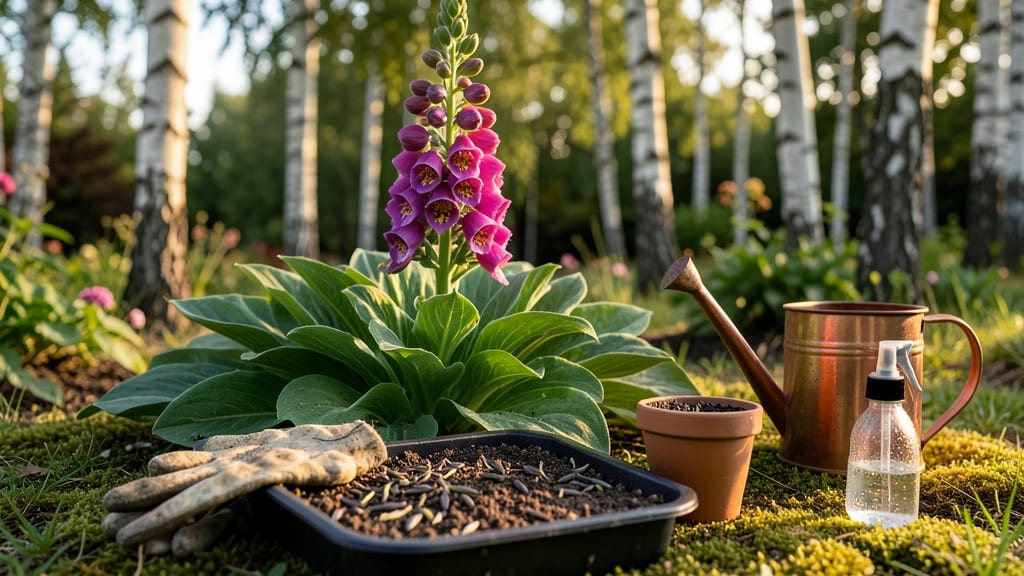
Growing foxglove from seed feels like unlocking a secret garden—those towering spires of bell-shaped blooms start with tiny, stubborn seeds. 🌱 The twist-release trick I’m sharing cuts germination time in half and eliminates wasted seeds, so you’ll see those first delicate leaves in just 2-3 weeks instead of months.
Most gardeners give up here, but this method works even for black thumbs like me.
The magic happens in a simple soil mix: equal parts peat-free potting soil and perlite, lightly moistened so it crumbles like damp cookie dough. Scatter seeds on top—no burying needed—and give them a gentle twist to loosen the seed coat.
Cover the tray with plastic wrap (or a clear lid) to trap humidity, then tuck it in a warm, bright spot away from direct sun. Patience is key here; seeds need consistent warmth (around 65°F) to break dormancy.
Once those first fuzzy seedlings pop up, you’ll know you’re on the right track. Thin them to 2 inches apart to avoid competition, and harden them off for 10 days before transplanting into garden beds or larger containers.
Foxglove thrives in partial shade and well-drained soil, so choose a spot where they can stretch their legs without fighting for sunlight. By next spring, you’ll have a dramatic, pollinator-friendly display that’s worth every twist of the wrist.
This method works for both spring and fall sowing, so you can plan ahead for next year’s garden. The twist-release trick isn’t just zero-waste—it’s a game-changer for anyone tired of waiting forever for foxglove seeds to germinate.
Give it a try, and you’ll be harvesting those iconic blooms in no time.
📚 In This Guide
- What you need
- Instructions
- Tips and common mistakes
- Wrapping up and next steps
What you need
- ● Foxglove seeds: Purchase from a reputable supplier (e.g., Digitalis purpurea varieties). Aim for 10-20 seeds to ensure a good yield.
- ● Seed-starting mix: A lightweight, well-draining potting mix (e.g., 50% peat moss, 30% perlite, 20% vermiculite). Use about 2-3 cups per seed tray.
- ● Seed trays or small pots: 4-6 inch deep containers with drainage holes (e.g., 6-cell trays or 4-inch pots). You’ll need 1 tray or 2-3 pots for 10-20 seeds.
- ○ Clear plastic domes or plastic wrap: To create a humid microclimate (optional but highly recommended for germination).
- ● Spray bottle: For gentle watering (avoid soaking the mix).
- ● Grow lights or sunny windowsill: Foxglove seeds need bright, indirect light (12-16 hours/day). A LED grow light works well if natural light is limited.
- ● Small hand trowel or spoon: For gently pressing seeds into the soil.
- ● Labels & markers: To track seed varieties and planting dates.
- ● Patience (and a sense of humor!):strong> Foxglove seeds can take 2-4 weeks to germinate—sometimes longer!
- ○ Outdoor space (optional): Once seedlings are 3-4 inches tall, they’ll need a partial shade to full sun location with well-draining soil (pH 6.0-7.0).
- ● Seedling heat mat: Keeps soil 65-75°F to speed up germination (especially useful in cooler climates).
- ● Fertilizer (balanced 10-10-10 or organic compost): Lightly feed seedlings after 4-6 weeks to encourage strong growth.
- ● Mulch (e.g., straw or shredded leaves): Helps retain moisture and suppress weeds once transplanted outdoors.
- ● Pruning shears: For pinching back leggy seedlings to promote bushier growth.
Step-by-Step instructions for growing foxglove from seed
Here's how to coax these dramatic biennials from seed using a natural trick that saves space and waste.
🌱 Step 1: Prepare the Seed Packets for Natural Release
Foxglove seeds need light to germinate, so we'll use their natural twist-release mechanism. Take each seed packet and gently twist it open—don't tear it, just rotate until the seam pops. You'll see the seeds nestled inside their papery casing. I like to do this over a clean sheet of paper so any stray seeds don't disappear.
Place the opened packets in a shallow dish or directly on your prepared soil surface. The twist-release method mimics how foxglove seeds would naturally disperse in a meadow. You'll notice the seeds are tiny and flat, with a delicate membrane that needs to stay intact for proper germination.
💧 Step 2: Sow Directly in Well-Draining Soil
Fill your seed-starting containers with a mix of 50% sterile seed-starting mix and 50% perlite or coarse sand to ensure excellent drainage. Foxglove hates soggy roots, and this blend prevents damping-off while keeping moisture even. Press the mix down gently until it's firm but not compacted.
Sprinkle the seeds directly onto the surface—don't bury them. The membrane needs light to germinate, and covering them would prevent sprouting. I use a small spoon to distribute them evenly, aiming for about 20-30 seeds per 6-inch pot. You'll see them scattered like tiny brown confetti across the soil.
☀️ Step 3: Provide Warmth and Humidity Without Overwatering
Cover the container with a clear plastic dome or plastic wrap to create a humid microclimate. Place it in a warm spot with 65-75°F temperatures—your kitchen windowsill or on top of the fridge works well. Foxglove seeds germinate slowly, often taking 3-6 weeks to sprout, so patience is key.
Water gently from the bottom by placing the container in ½ inch of water for 10 minutes. This prevents disturbing the seeds while keeping the soil consistently moist. You'll know it's right when the surface stays damp but doesn't develop a water film. Remove the cover daily for 5 minutes to prevent mold.
🌿 Step 4: Thin Seedlings for Strong Growth
Once seedlings reach 1-2 inches tall (about 4-6 weeks after sowing), it's time to thin. Use small scissors to snip unwanted seedlings at soil level—this prevents disturbing roots of the plants you're keeping. I leave the strongest 2-3 seedlings per pot, choosing those with the darkest green leaves and sturdiest stems.
After thinning, move the pots to a bright spot with indirect light for 2 weeks. Too much direct sun now will scorch the tender seedlings. You'll see them develop their signature lobed leaves, which look like tiny versions of the mature plant. This is when they start building energy for their first winter.
⏰ Step 5: Acclimate and Transplant Outdoors
When seedlings have 4-6 true leaves and are at least 3-4 inches tall, they're ready for their first taste of outdoor life. Harden them off by placing the pots outside in a sheltered spot for 2 hours the first day, gradually increasing to full sun exposure over 10-14 days.
Transplant to their permanent location in late summer or early fall—foxglove seeds sown this way develop strong roots before winter and bloom spectacularly the following year. Space plants 18-24 inches apart in partial shade with well-draining soil. You'll know they're thriving when new leaves appear within 2 weeks of transplanting.
Tips & tricks for growing foxglove from seed
This natural method saves space and waste—here’s how to make every step work perfectly.
Seed Handling: When twisting open those delicate seed packets in Step 1, work slowly over a clean surface to catch any stray seeds. The membrane around each seed is fragile—don’t let it tear! I’ve learned the hard way that even a few lost seeds add up when you’re working with such tiny quantities. Once opened, keep packets in a dry place until ready to sow, as humidity can cause the membranes to stick together.
Soil Mix Matters: In Step 2, that 50/50 blend of seed-starting mix and perlite isn’t just about drainage—it’s about creating the perfect air-to-moisture balance foxglove needs. If you don’t have perlite, coarse sand works too, but avoid anything finer like vermiculite, which holds too much moisture. Press the mix firmly but gently—you want it stable enough to support those tiny seeds without being compacted like clay.
Germination Patience: The 3-6 week wait in Step 3 feels like forever, but consistency is key. That 10-minute bottom-watering technique (placing the container in ½ inch of water) ensures even moisture without disturbing seeds. I set a timer so I don’t accidentally leave them too long—foxglove roots are sensitive to both drought and sogginess. And remember: those daily 5-minute cover removals prevent mold while maintaining humidity. It’s like creating a greenhouse in a shoebox!
Thinning Technique: When thinning in Step 4, use sharp scissors to snip at soil level—never pull seedlings out by hand, as that can damage remaining roots. I always leave the darkest, most vigorous seedlings, as these will develop the strongest stems for next year’s blooms. After thinning, the 2-week indirect light period is crucial—direct sun now would scorch those tender leaves before they’ve built up resilience.
Pro Tips for Foxglove Seed Grow A Garden
- This natural method saves space and waste—here’s how to make every step work perfectly.
- Seed Handling: When twisting open those delicate seed packets in Step 1, work slowly over a clean surface to catch any stray seeds.
- Soil Mix Matters: In Step 2, that 50/50 blend of seed-starting mix and perlite isn’t just about drainage—it’s about creating the perfect air-to-moisture balance foxglove needs.
Frequently asked questions
When is the best time to plant foxglove seeds?
Foxglove seeds thrive when sown in late summer or early fall (August–September) for a spring bloom. If planting in spring, start them indoors 6–8 weeks before the last frost. Cold stratification (chilling seeds) mimics winter conditions and improves germination—just pop them in the fridge for 4–6 weeks before sowing!
How long does it take for foxglove seeds to germinate?
Patience is key! Foxglove seeds can take 3–6 weeks (or even months) to sprout, especially if conditions aren’t ideal. Keep soil consistently moist and warm (but not soggy), and place trays in bright, indirect light. If you see no signs of life after 3 months, the seeds may need a fresh cold treatment or could be non-viable.
Can I grow foxglove from seed in containers?
Foxglove adapts well to containers 12+ inches deep with drainage holes. Use a well-draining potting mix, and choose a pot with at least 3–4 inches of space between plants (they’ll spread!). Just ensure containers get partial shade—foxglove hates scorching afternoon sun. Bonus: Container-grown foxglove is easier to protect from slugs and pests!
Why aren’t my foxglove seeds sprouting? Troubleshooting tips.
If your seeds are stubborn, check these fixes:
- Poor soil moisture: Keep soil evenly damp (not waterlogged). Mist seeds lightly daily.
- Lack of cold stratification: Foxglove seeds often need a winter chill. Try sowing outdoors in fall or refrigerate seeds for 4–6 weeks before planting.
- Low light or heat: Seeds need warmth (65–75°F) and indirect light. Move trays to a sunny windowsill or use a grow light.
- Old or low-quality seeds: Foxglove seeds lose viability quickly. Buy fresh seeds from a reputable supplier.
Still stuck? Try scarifying seeds (lightly nicking the shell) to help water penetrate.
Are there easier alternatives to foxglove for beginners?
If foxglove’s slow germination or finicky nature feels overwhelming, try these low-maintenance seed plants with similar height and drama:
- Hollyhocks – Tall, classic blooms; direct-sow in spring.
- Delphiniums – Striking spikes; pre-soak seeds for faster germination.
- Lupines – Drought-tolerant perennials with vibrant colors.
- Snapdragons – Fast-growing annuals; great for containers.
All thrive in similar partial-shade conditions and add vertical interest to gardens!
Wrapping up and next steps
Growing foxglove from seed is a rewarding journey that blends patience, creativity, and sustainability—and with the twist-release trick, you’re not just cultivating flowers, you’re crafting a zero-waste garden. 🌱 Whether you’re drawn to their striking blooms or the joy of nurturing life from tiny seeds, this method makes it easier than ever to bring foxglove’s magic into your outdoor space.
Now that you’re armed with the know-how, why not plant a few seeds this weekend and watch your garden transform into a haven for pollinators and beauty?
Next step: Pick a sunny spot, gather your supplies, and let nature do the rest—your future foxglove will thank you! 🌸