
Propagation
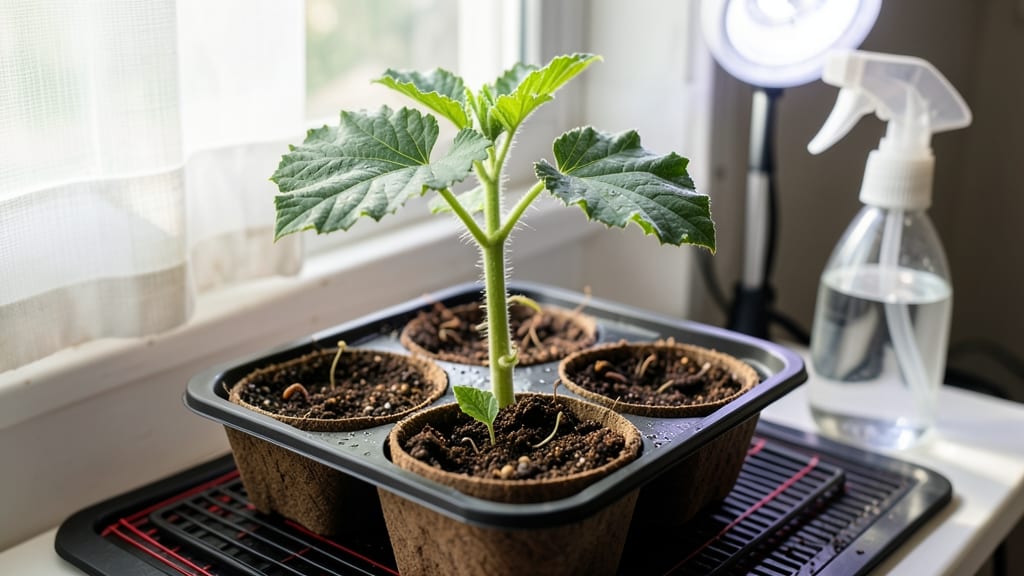
Growing zucchini from seed indoors gives you a 6-week head start on the season—no nursery plants needed. 🌱 I’ve started dozens of zucchini seeds indoors, and the secret to success isn’t complicated: timing, warmth, and a little patience.
Most people rush germination, but zucchini seeds thrive when kept cozy and moist, sprouting in just 3-5 days if done right.
The key supplies are simple: biodegradable pots, seed-starting mix, a heat mat (optional but helpful), and a sunny window or grow light. Zucchini seedlings grow fast, so you’ll need to transplant them outdoors before they outgrow their containers.
I use 2-inch pots and keep them in a warm spot until the soil is 60-70°F—that’s when they really take off.
By the time you’re ready to move them outside, your seedlings will be stocky and dark green, not leggy or weak. The first harvest comes earlier than store-bought plants, and you avoid the shock of transplanting mature seedlings.
Just watch for overwatering—the biggest rookie mistake—and you’ll be picking zucchini in no time.
This method works for any zucchini variety, from bush types to vining varieties. Start seeds 4-6 weeks before your last frost date, and you’ll have a garden full of productive plants by summer. The payoff? Fresh zucchini straight from your kitchen to the table—no grocery store in sight.
📚 In This Guide
- What you need
- Instructions
- Tips and common mistakes
- Wrapping up and next steps
What you need
- ● Zucchini seeds: Choose heirloom or hybrid varieties (e.g., 'Black Beauty,' 'Gold Rush,' or 'Eight Ball'). Buy 3–5 seeds per pot or 10–15 seeds if sowing in trays.
- ● Seed-starting containers: Small pots (4–6 inches deep) for individual plants, or
- ● A seed tray with individual cells (2–3 inches deep) for multiple seeds.
- ● Seed-starting mix: A lightweight, sterile peat-based or coco coir mix (avoid garden soil—it’s too dense!). Use 1–2 bags depending on your setup.
- ● Grow lights or sunny windowsill: LED grow lights (12–16 hours/day) for 1–2 bulbs, or
- ● A south-facing window with 6+ hours of direct sunlight daily.
- ○ Heat mat (optional but helpful): A seedling heat mat (set to 70–80°F) speeds up germination.
- ● Spray bottle: For gentle watering (avoid over-saturating seeds).
- ● Plastic wrap or humidity dome: To retain moisture while seeds germinate.
- ● pH meter or tester strips: Ensure your soil is 6.0–7.0 pH (zucchini prefers slightly acidic to neutral).
- ● Fertilizer (low-dose): A balanced 10-10-10 or fish emulsion (diluted to half-strength) after sprouts appear.
- ● Plant labels: Mark varieties and planting dates to avoid mix-ups.
- ● Fan (small oscillating): For 12 hours/day to strengthen seedlings and prevent legginess.
- ● Transplanting trays or biodegradable pots: If you plan to move seedlings outdoors later.
Step-by-step instructions for growing zucchini from seed indoors
Zucchini seeds germinate faster than you think—here's how to turn them into sturdy seedlings in record time.
🌱 Step 1: Prepare Containers and Seed Starting Mix
Fill 4-inch diameter pots with a sterile seed-starting mix—nothing heavier than regular potting soil. Zucchini roots grow aggressively, so avoid compacted mixes that restrict expansion. I like to add a handful of perlite to the mix for extra aeration, which helps those fast-growing roots establish quickly.
Moisten the soil until it's damp but not soggy—think of a wrung-out sponge. Press it down gently so the surface is firm but not packed. This prevents seeds from floating to the surface when you water later. Tap the pot once on the table to settle everything evenly. Here's the thing—zucchini seeds are large, so you only need 1-2 seeds per pot to avoid crowding.
🌱 Step 2: Plant Seeds at the Right Depth and Temperature
Plant seeds 1 inch deep—that's roughly three times their diameter. Press them gently into the soil so they make good contact. Cover lightly with additional mix, then mist the surface until evenly moist. Zucchini seeds germinate fastest at 80-85°F, so place the pots on a seedling heat mat if your home runs cooler.
Cover the pots with clear plastic wrap or a humidity dome to trap warmth and moisture. Check daily but resist watering—the dome keeps everything humid enough. You'll see sprouts in 3-7 days, often within a week. Real talk: if your kitchen stays cool, germination could take up to 10 days, but don't let that slow you down.
☀️ Step 3: Provide Bright Light Immediately After Germination
The moment those first leaves appear, move the seedlings to a south-facing window or under grow lights. Zucchini seedlings need 12-14 hours of light daily to prevent leggy growth. I use a full-spectrum LED grow light positioned 4 inches above the plants and raise it as they grow to maintain that distance.
Watch for signs of light deprivation: pale stems, leaves spaced far apart, and plants leaning toward the light. Strong seedlings have thick stems, dark green leaves, and compact spacing between growth points. If you notice seedlings stretching toward the light, lower the grow light immediately—this is the moment that matters.
💧 Step 4: Water and Fertilize for Rapid Growth
Water when the top inch of soil feels dry, but don't let the soil dry out completely. Zucchini seedlings drink more than you'd expect once they start growing. I use a watering can with a gentle spray nozzle to avoid disturbing the soil around the roots. Fertilize with a balanced liquid fertilizer (like 10-10-10) at half-strength once the first true leaves appear.
Don't overwater now—zucchini seedlings are prone to damping-off if the soil stays too wet. You'll know moisture is right when the soil surface looks slightly damp but not glistening. After a week of growth, you'll notice new leaves emerging daily—that's your signal everything is working. This is when zucchini really starts to show its fast-growing nature.
⏰ Step 5: Harden Off and Transplant Outdoors
Two weeks before your last frost date, start hardening off the seedlings by placing them outside in a sheltered, shaded spot for 1-2 hours the first day. Gradually increase outdoor time by 1 hour daily over 10-14 days, slowly introducing more sun and wind. Zucchini seedlings are tough, but they still need this adjustment period.
Transplant outdoors after the soil warms to 60°F and all danger of frost has passed. Plant seedlings 12-24 inches apart in rows spaced 3-4 feet apart to give them room to spread. Here's where it gets fun—watch the cotyledons pop through the soil after a few days, and you'll have a thriving zucchini plant in no time.
Tips & tricks for fast zucchini seedling success
Fast germination and strong starts depend on these small details that make all the difference.
Heat Matters: That 80-85°F temperature range isn't just a suggestion—it's the sweet spot for zucchini seeds to pop in record time. If your home stays cooler, invest in a seedling heat mat ($15-20) for consistent warmth. I've seen germination slow to 10 days in chilly kitchens, but with a heat mat, those same seeds sprout in 5-6 days. Pro tip: Place the heat mat under your pots before planting to maintain warmth from day one.
Lighting Strategy: The 12-14 hours of daily light is non-negotiable for preventing leggy seedlings. I recommend positioning your grow light on a timer—this hands-off approach ensures consistent light exposure. If using a south-facing window, rotate pots daily so all sides get even sun. Watch for seedlings stretching toward light (a sign they're reaching for more), then lower the grow light immediately to encourage compact growth. That 4-inch distance is your target for the first week.
Soil Science: The seed-starting mix you choose makes a surprising difference. Avoid garden soil—it's too heavy and can compact, restricting those aggressive zucchini roots. I blend a mix of 50% peat moss, 30% perlite, and 20% vermiculite for perfect aeration. After planting, gently press the soil surface to create firm contact with seeds—this prevents them from floating when you water. A lightly pressed surface also helps maintain moisture without becoming soggy.
Transplant Timing: That 60°F soil temperature for outdoor transplanting is your magic number. Use an infrared thermometer to check—cold soil can shock delicate seedlings. I've transplanted too early and watched zucchini plants wilt within hours. Wait until morning soil temps consistently reach 60°F before moving plants outside. Harden off seedlings gradually over 10-14 days, starting with just 1-2 hours of outdoor exposure the first day.
Pro Tips for Growing Zucchini From Seed Indoors
- Fast germination and strong starts depend on these small details that make all the difference.
- Heat Matters: That 80-85°F temperature range isn't just a suggestion—it's the sweet spot for zucchini seeds to pop in record time.
- Lighting Strategy: The 12-14 hours of daily light is non-negotiable for preventing leggy seedlings.
Frequently asked questions
Got questions about growing zucchini from seed indoors?
You’re not alone! Here are answers to the most common concerns to help you grow confidently—even if you’re new to indoor gardening.
How long does it take for zucchini seeds to germinate indoors?
Zucchini seeds typically sprout in 5–10 days indoors, given warmth (70–90°F) and moisture. Use a heat mat if your space is cool—consistent warmth speeds up germination. Avoid overwatering, as soggy soil can cause rot. Patience pays off, but if no sprouts appear after 14 days, try fresh seeds!
When should I transplant zucchini seedlings outdoors?
Wait until nighttime temperatures stay above 55°F (13°C) and all frost risk has passed. Seedlings need 4–6 weeks indoors to develop strong stems and true leaves. Harden them off for 7–10 days before transplanting—acclimate them gradually to sunlight and outdoor conditions to avoid shock.
Can I grow zucchini in containers indoors instead of soil?
Use 5-gallon pots or larger with well-draining potting mix. Zucchini vines need space—opt for bush varieties like ‘Eight Ball’ if space is tight. Place containers near a south-facing window or under grow lights (12–14 hours/day). Just ensure pots have drainage holes to prevent root rot.
Why are my zucchini seedlings wilting or turning yellow?
Wilting often signals overwatering or poor drainage, while yellow leaves may mean underwatering, nutrient deficiency, or fungal issues. Check soil moisture (top inch should dry slightly between waterings) and ensure pots have drainage. If leaves curl or spots appear, treat with neem oil or adjust humidity. Rotate seedlings weekly for even light exposure!
What’s the best indoor temperature for zucchini growth?
Zucchini thrives in 70–85°F (21–29°C) day temps and 60°F (15°C) minimum at night. If your home dips below 60°F, use a grow light or heat mat. Avoid drafts (like AC vents) near seedlings. A small fan on low can also mimic outdoor breezes, strengthening stems for transplanting.
Wrapping up and next steps
Growing zucchini from seed indoors is a rewarding way to jumpstart your garden and enjoy a bountiful harvest.
With the right tools, patience, and a little care, you’ll soon be watching those tiny seeds transform into thriving plants ready for transplanting. Now that you’re armed with the knowledge, it’s time to roll up your sleeves and get growing! 🌱
Your next step? Pick a sunny spot—indoors or out—and start those seeds! Whether you’re a seasoned gardener or a curious beginner, every expert was once a beginner. Happy planting, and may your zucchini be plentiful! 🎉