
Propagation
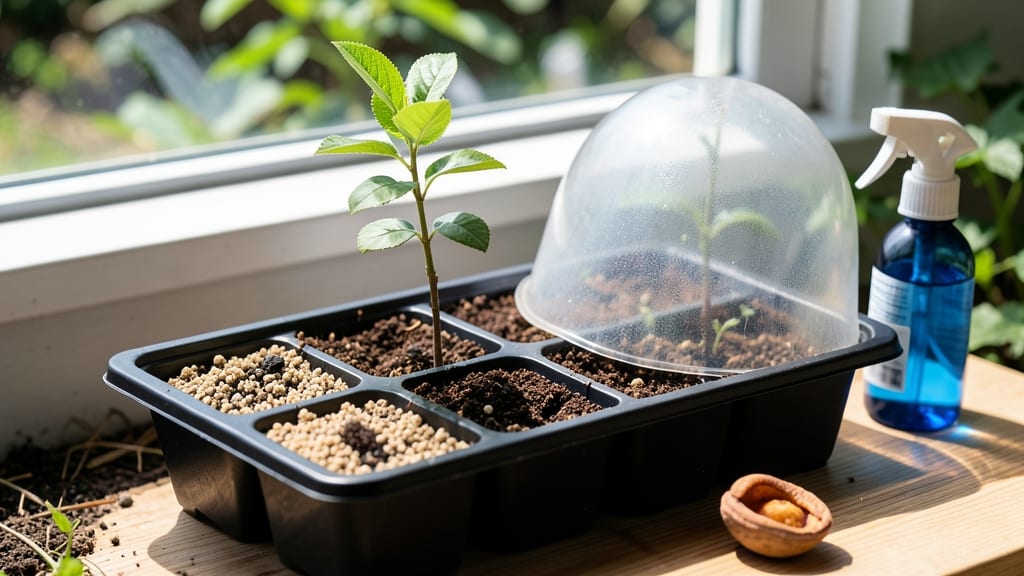
Growing peaches from seed indoors lets you nurture a tree from scratch—though fast germination takes some clever tricks. 🌱 I’ve started dozens of peach pits, and the ones that sprout within 10-14 days always beat the slow ones. The secret? A warm, moist environment and a little patience.
You’ll need a small pot, well-draining soil mix, and a heat source (like a seedling mat) to coax those stubborn pits awake. Most peach seeds need 30-90 days to break dormancy, but with the right setup, you can cut that time in half. The first leaves?
Tiny and delicate, but they’ll grow into a sturdy sapling with time. By spring, your seedling will be ready for transplanting outdoors—though it’ll take 5-7 years before it bears fruit. (Yes, that’s a long wait!) The real reward?
Watching a tree you grew from a single pit thrive in your yard. This method works for any peach variety, but remember: seed-grown trees won’t match the quality of grafted ones. Still, it’s a fun experiment for gardeners who love the journey over the harvest.
📚 In This Guide
- What you need
- Instructions
- Tips and common mistakes
- Wrapping up and next steps
What you need
- ● Peach pit (seed): 1–3 fresh, stone-free pits from ripe peaches (avoid treated or hybrid seeds).
- ● Small pots or seed trays: 2–4 (3–4" diameter) with drainage holes. Plastic or biodegradable pots work best.
- ● High-quality seed-starting mix: 1 bag (sterilized, peat-based or coconut coir blend). Avoid garden soil—it’s too dense!
- ● Spray bottle: For gentle watering (12–16 oz).
- ● Clear plastic wrap or dome: To create a mini greenhouse effect.
- ● Grow lights or sunny windowsill: 6+ hours of warm light daily (south-facing window or LED grow lights).
- ○ Heat mat (optional but recommended): A small one (10x20") to keep soil at 75–85°F for faster germination.
- ● Humidity tray: A shallow tray with pebbles + water to boost moisture.
- ● Fertilizer: Diluted fish emulsion or seaweed extract (once sprouts appear).
- ● pH tester: To check soil pH (ideal: 6.0–6.5).
- ● Pruning shears: For trimming leggy seedlings later.
Step-by-step instructions for growing peaches from seed indoors
Here's how to coax peach seeds into fast, healthy seedlings indoors—no greenhouse needed.
🌱 Step 1: Select and Prepare the Seeds
Choose fresh, plump peach pits from ripe fruit. Rinse them well to remove any fruit residue, then let them dry completely for 24 hours. This prevents mold from forming during storage. I like to wrap the pits in a paper towel and store them in a sealed container in the fridge until ready to plant.
Before sowing, soak the pits in lukewarm water for 24-48 hours. This softens the hard outer shell and kickstarts germination. You'll know they're ready when tiny cracks appear—this is the seed coat breaking down. Don't skip this step; dry pits can take months or never germinate.
🌱 Step 2: Create the Ideal Germination Setup
Fill a small container with moistened paper towels or a dampened seed-starting mix. Place the soaked pits on the surface, spacing them about 1 inch apart. Cover the container with plastic wrap to create a humid environment. This mimics the warm, moist conditions peach seeds need to sprout.
Store the container in a warm spot—70-80°F is ideal. A sunny windowsill or seedling heat mat works perfectly. Check daily and mist with water if the towels dry out. Germination can take 2-6 weeks, depending on the variety and temperature. Patience is key here; don't disturb the seeds once they're in place.
☀️ Step 3: Transplant Seedlings into Soil
Once the seeds sprout and develop 2-3 inch tall stems with true leaves, carefully transplant them into individual 4-inch pots filled with well-draining potting mix. Gently remove the seedlings from the paper towels, being careful not to damage the delicate roots. I like to use a small spoon to lift them out and place them in the soil.
Plant each seedling at the same depth it grew in the paper towels. Press the soil lightly around the base to secure it. Water gently until the soil is moist but not soggy. Place the pots in a spot with bright, indirect light for the first week to help them adjust. Too much direct sun at this stage can scorch young leaves.
🌿 Step 4: Provide Care for Strong Growth
Keep the soil consistently moist but never waterlogged. Peach seedlings need 1 inch of water per week, but adjust based on how quickly the top inch of soil dries out. Use a spray bottle for watering to avoid disturbing the soil around the roots. Fertilize lightly with a balanced, water-soluble fertilizer every 4-6 weeks to encourage healthy growth.
As the seedlings grow, gradually introduce them to more sunlight. After 2-3 weeks, you can move them to a sunny windowsill or under a grow light for 12-14 hours of light daily. Watch for signs of legginess—long, weak stems with small leaves. If this happens, your seedlings need more light or are too crowded.
⏰ Step 5: Prepare for Outdoors (When Ready)
Once your peach seedlings are 12-18 inches tall and have developed a sturdy stem, they're ready to move outdoors. Start by placing them in a sheltered spot for 1-2 hours the first day, gradually increasing their time outside over 10-14 days. This process, called hardening off, helps them adjust to outdoor conditions.
Peach trees need a cold period to break dormancy, so if you're growing them indoors year-round, you'll need to replicate winter conditions. After 6-8 months of growth, expose the seedlings to cooler temperatures (40-50°F) for 4-6 weeks
Tips & tricks for growing peaches from seed indoors
Fast germination isn't just luck—it's about creating the perfect conditions from the start. Here's what I've learned after watching dozens of peach pits transform into thriving seedlings.
Soaking Secret: The 24-48 hour soaking period in lukewarm water is non-negotiable for breaking that tough seed coat. I've found that adding a few drops of hydrogen peroxide (3%) to the soaking water prevents bacterial growth and keeps the water fresh-smelling. Change the water halfway through if it starts looking cloudy—this helps prevent mold from forming on your precious pits.
Temperature Matters: Those 70-80°F germination temps are crucial, but don't have a heat mat? Place your container on top of your fridge—it generates just enough warmth. I've even used a warm (not hot) oven with the light on for consistent heat. The key is maintaining that range constantly; fluctuations can delay germination by weeks.
Transplant Timing: Wait until your seedlings reach 2-3 inches tall with true leaves before transplanting—this gives them enough energy stores to handle the shock. I use a toothpick to gently loosen the roots from the paper towels before transferring, which reduces transplant shock. And here's a pro move: water the soil thoroughly before transplanting to help settle it around the delicate roots.
Light Transition: That first week of bright, indirect light is critical. I place my seedlings under a sheer curtain that filters sunlight—it mimics the dappled shade of a forest floor. After the 2-3 week mark, I gradually increase their sunlight exposure by moving them closer to the window each day. Sudden full sun can cause sunburn on young leaves, so take it slow.
Pro Tips for Grow Peaches From Seed Indoors
- Fast germination isn't just luck—it's about creating the perfect conditions from the start.
- Soaking Secret: The 24-48 hour soaking period in lukewarm water is non-negotiable for breaking that tough seed coat.
- Temperature Matters: Those 70-80°F germination temps are crucial, but don't have a heat mat?
Frequently asked questions
Got questions about growing peaches from seed indoors? You’re not alone! Here are some of the most common concerns—and their answers—to help you succeed.
How long does it take for peach seeds to germinate indoors?
Peach seeds typically germinate in 2–4 weeks indoors, depending on warmth and moisture. Stratification (chilling seeds) speeds this up—aim for 30–60 days in the fridge before planting. Keep soil consistently moist (not soggy) and maintain 70–80°F for best results.
Do I really need to stratify peach seeds? Can I skip it?
Stratification mimics winter conditions and breaks seed dormancy, but it’s not always required. Some seeds may sprout without it, but germination rates drop, and seedlings could be weaker. If you’re short on time, try soaking seeds in warm water for 24 hours first—it can help a little!
Will my indoor peach tree actually produce fruit?
Indoor-grown peach trees from seed rarely fruit—they’re more likely to stay small and ornamental. For fruit, grafted trees or outdoor planting are better. However, growing from seed is a fun experiment! Enjoy the tree’s beauty, and consider saving seeds from store-bought peaches for another try.
Why did my peach seed sprout but then die?
Seedlings often fail due to overwatering, poor drainage, or temperature swings. Use a well-draining mix (like perlite + potting soil), water only when the top inch is dry, and keep them in bright, indirect light. Yellow leaves? Check for root rot or pests like fungus gnats.
Can I grow a peach tree from any peach seed, or do I need a special variety?
You can use seeds from any fresh peach, but store-bought varieties may not produce true-to-type fruit. For better odds, source seeds from heirloom or local peaches. Pro tip: Try Elberta or Redhaven varieties—they’re reliable for germination and hardy once mature.
Wrapping up and next steps
Growing peaches from seed indoors is a rewarding journey that brings you closer to nature—and delicious fruit—year-round! 🌱 With patience, the right tools, and these fast germination tricks, you can nurture a thriving tree from a tiny seed.
Whether you’re a beginner or a seasoned gardener, every step you take strengthens your green thumb.
Now that you’re armed with knowledge, take the next step: plant your seeds and watch them sprout! Share your progress with fellow plant lovers, and soon, you’ll be harvesting your very own homegrown peaches. Happy growing! 🍑✨