
Planting
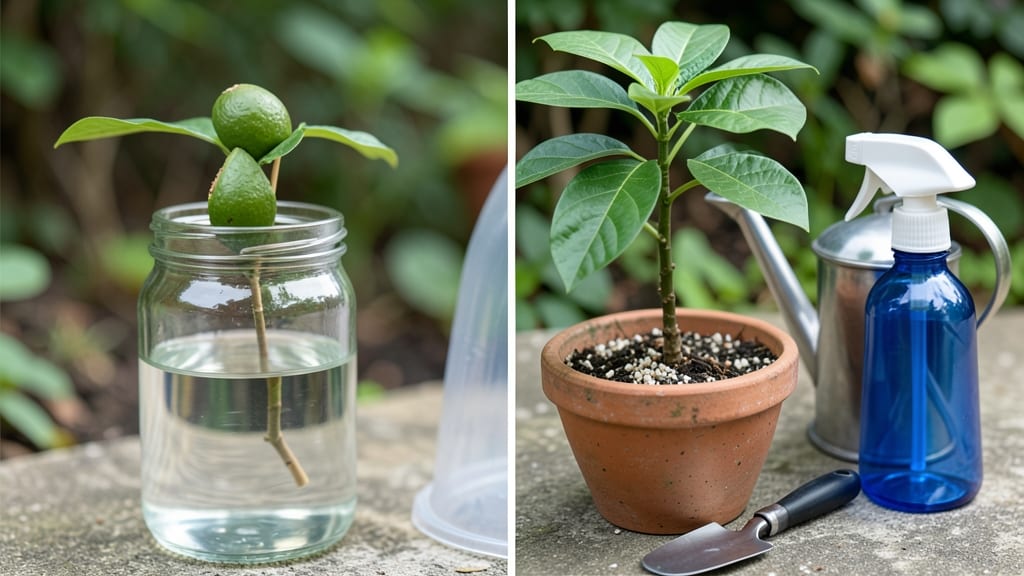
Planting an avocado seed indoors transforms a kitchen scrap into a thriving houseplant—no green thumb required. 🌱 I’ve turned dozens of seeds into lush, leafy plants using this foolproof method, and the best part? You only need three supplies and a little patience.
The secret lies in balancing moisture and airflow to prevent mold while encouraging roots. Most people overwater, leading to rot, but this method keeps the seed just damp enough to sprout reliably. Within 2-6 weeks, you’ll see roots emerge, and the seedling will be ready to transition to soil.
By the time it reaches 12 inches tall, your plant will have glossy, tropical leaves and a sturdy trunk—perfect for adding life to any room. It won’t fruit indoors, but the process is rewarding, and the plant thrives for years with minimal care.
This works for any avocado pit, whether from a store-bought fruit or your favorite grocer’s haul. Let’s get those roots growing!
📚 In This Guide
- What you need
- Instructions
- Tips and common mistakes
- Wrapping up and next steps
What you need
- ● 1 fresh avocado pit (halved, with the flesh removed)
- ● 3–4 toothpicks or skewers (or a small rubber band)
- ● 1 glass or jar (16–20 oz, filled halfway with water)
- ● Potting soil (well-draining, organic mix preferred)
- ● 1 small pot (4–6 inches wide) (with drainage holes)
- ● Spray bottle (for gentle watering)
- ● 💡 Rooting hormone (speeds up growth)
- ● 🌡️ Grow lights or sunny windowsill (10+ hours of light/day)
- ● ✨ Decorative pebbles or moss (for aesthetic + moisture control)
- ● 🎯 Fertilizer (low-nitrogen) (once leaves appear)
Step-by-step instructions for growing an avocado tree from a seed
Here’s my foolproof method for turning a kitchen discard into a thriving houseplant—no green thumb needed.
🌱 Step 1: Prep the Seed for Planting
Start with a fresh avocado pit—older seeds germinate poorly. Rinse it under cool water to remove any remaining fruit residue, then let it dry completely for an hour. This keeps mold at bay and ensures clean growth. I like to scrub the seed gently with a soft brush if it feels sticky.
Next, insert three 4-inch toothpicks around the seed’s middle, spacing them evenly. These will suspend the seed above water without letting it touch. Real talk: If you skip this, the seed will rot instead of sprout. Place the toothpicks in a glass jar or cup—something wide enough to hold the seed horizontally.
💧 Step 2: Suspend and Hydrate the Seed
Fill the jar or cup with room-temperature water until it covers about ½ inch of the seed’s bottom. The toothpicks should hold the seed so only the bottom ¼ inch touches the water. This keeps the seed moist but prevents it from sitting in stagnant water, which causes rot.
Place the jar in a bright, warm spot—think kitchen counter near a window, but not direct sunlight yet. You’ll see roots emerge in 2-6 weeks, depending on the seed’s freshness. Here’s the thing: patience is key. Some seeds take longer, but don’t give up after a week.
☀️ Step 3: Wait for Roots and Prepare Soil
Once roots reach 2-3 inches long, it’s time to plant. I wait until they’re this long because shorter roots break easily during transplanting. While you’re waiting, fill a 6-inch pot with well-draining potting mix—avoid garden soil, which compacts and suffocates roots.
Add a handful of perlite or sand to the mix for extra drainage. Avocado trees hate soggy roots, and this combo prevents waterlogging. Tap the pot gently to settle the soil, then make a small hole in the center—just big enough to nestle the seed’s roots without bending them.
🪴 Step 4: Plant and Support the Seedling
Gently lower the seed into the hole, ensuring the roots sit naturally without being forced down. Cover them with 1 inch of soil, then press lightly to secure. Don’t pack it down—you want the soil to stay loose for those delicate roots.
Place the pot in a shady spot for the first week to reduce transplant shock. Water lightly until the soil is evenly moist but not soggy. After a week, move it to bright, indirect light—like a south-facing window with sheer curtains. Direct sun at this stage will scorch the young leaves.
⏰ Step 5: Care for the Young Tree
Keep the soil consistently moist but never waterlogged. Stick your finger 1 inch into the soil—if it feels dry, it’s time to water. Overwatering is the #1 killer of young avocado trees, so I use a saucer under the pot to catch excess water and dump it out after 10 minutes.
In 4-6 weeks, you’ll see the first true leaves (not the initial spiky ones). That’s your cue to start fertilizing lightly with a balanced houseplant fertilizer, diluted to half strength. Feed every 2 months during spring and summer—no fertilizer in fall or winter when growth slows.
Tips & tricks for perfect indoor avocado seed planting
These little-known details will help you avoid the most common pitfalls and give your seedling the best shot at thriving.
Seed Selection: Not all avocado pits will sprout—look for ones that are firm, heavy for their size, and free of cracks. I've found Hass avocado seeds (the most common grocery store variety) work best. If your seed feels hollow when tapped gently, it won't sprout. Also, fresher is better: seeds from recently eaten fruit have higher success rates than those stored for weeks.
Water Quality Matters: Use filtered or room-temperature tap water that's been sitting out for at least 24 hours. Chlorine in fresh tap water can stress the developing roots. I change the water every 2-3 days to prevent bacterial growth—stagnant water is a breeding ground for mold that can kill your seed before it even sprouts.
Root Development Watch: The 2-3 inch root length mentioned in Step 3 is your green light to plant, but don't rush this stage. Roots should be thick and white, not thin and brown. If you see brownish roots, it's a sign of rot—time to try again with a fresh seed. I've seen roots grow as fast as 1 inch per week in ideal conditions, but some take their time.
Transplanting Tip: When moving your seedling from water to soil, handle the roots like they're made of glass—avocado roots are surprisingly fragile. I like to use a spoon to gently lift the seed from the water and place it in the soil hole. After planting, give the pot a gentle tap on the sides to help the soil settle around the roots without disturbing them.
Pro Tips for Plant An Avocado Seed Indoors
- These little-known details will help you avoid the most common pitfalls and give your seedling the best shot at thriving.
- Seed Selection: Not all avocado pits will sprout—look for ones that are firm, heavy for their size, and free of cracks.
- Water Quality Matters: Use filtered or room-temperature tap water that's been sitting out for at least 24 hours.
Frequently asked questions
Got questions about growing an avocado from a seed?
You’re not alone! Here are answers to the most common queries—from impatient growers to curious plant parents.
How long does it take for an avocado seed to sprout?
Patience is key! With the right care, roots typically appear in 2–6 weeks, while the actual shoot may take 4–12 weeks longer. Warmth, humidity, and consistent moisture speed up the process—so keep your seedling cozy and hydrated.
Can I plant an avocado seed outdoors instead of indoors?
Outdoor planting is possible only in USDA Zones 9–11 (or equivalent climates) after the last frost. If you live in a colder zone, start indoors first, then transplant outdoors after the roots and shoot are established (usually 3–6 months in). Frost will kill young seedlings!
Why isn’t my avocado seed sprouting? Troubleshooting tips.
No sprouts? Check these fixes:
- Too dry: Keep the toothpicks/toothpick method moist (not soggy) by misting daily or using a humidity dome.
- Not warm enough: Place near a sunny window or use a heat mat (70–80°F is ideal).
- Rotting: If the seed smells foul or turns mushy, remove it and start fresh with a new seed.
- Old seed: Use seeds from fresh avocados (within 2–4 weeks of purchase). Older seeds may be dormant.
Will my indoor avocado tree ever bear fruit?
Yes—but it’s a very slow process! Avocado trees grown from seed can take 5–13 years to produce fruit (if they ever do). For faster results, consider grafting or buying a nursery-grown tree. Even if it doesn’t fruit, your seedling makes a stunning houseplant!
Can I use any avocado seed, or does it matter?
Most grocery-store avocados (like Hass) work fine, but avoid seeds from Fuerte or Lamb Hass varieties—they’re less likely to sprout. Stick to organic or fresh seeds for the best success rate. Pro tip: Choose a seed with a thick, plump end (the "bottom") for higher germination rates!
Wrapping up and next steps
Growing an avocado seed indoors is a rewarding journey that blends patience with the joy of nurturing life from scratch! 🌱 With the right technique—like using toothpicks to balance your seed, keeping it hydrated, and providing warmth—you’ll soon witness roots and a sprout emerge.
Remember, consistency is key, and even if progress feels slow, your little tree is learning to thrive.
Now that you’re ready to start, why not expand your indoor garden? Try propagating other seeds like basil or mint next, or experiment with hydroponics for even faster growth. Every tiny step brings you closer to a greener, more vibrant space—keep growing! 🌿✨