
Planting
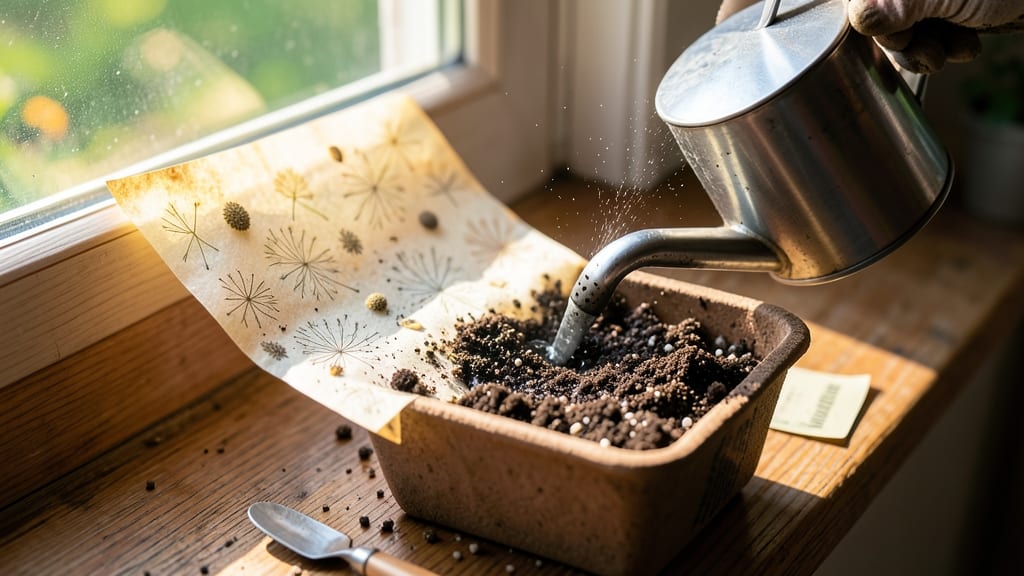
Planting wildflower seed paper is like unwrapping a surprise bouquet for your yard—no digging, no fuss, just vibrant blooms that return year after year. 🌸 The magic starts with choosing the right spot: full sun (at least 6 hours daily) and well-draining soil are non-negotiable.
I’ve planted mine in late spring after the last frost, when the ground is warm enough to wake those seeds from their winter nap.
Once you’ve picked your sunny patch, simply tear open the seed paper (like a tiny garden envelope) and press it gently into moist soil—no need for fancy tools. A light sprinkle of water keeps things snug until germination kicks in.
Most varieties pop up within 10-24 days, though some stubborn ones take their time. The best part? No thinning, no weeding—just let nature do its thing.
After the first flush of blooms, your wildflowers will reward you with low-maintenance beauty and a buffet for pollinators. Water lightly during dry spells (they’re drought-tolerant once established), and watch as your garden transforms into a living tapestry of color.
Even my black thumb can’t kill these—just plant, wait, and enjoy.
Pro tip: Mark your planting spot to avoid accidentally mowing down your new wildflowers. And if you’re feeling ambitious, try layering different seed papers for a season-long show. The eco-friendly payoff? More bees, butterflies, and a garden that thrives without chemicals. Simple, satisfying, and downright magical.
📚 In This Guide
- What you need
- Instructions
- Tips and common mistakes
- Wrapping up and next steps
What you need
- ● Wildflower seed paper – Choose 1–5 sheets (depending on your planting area; 1 sheet covers ~10 sq. ft.). Opt for native wildflower blends for the best local ecosystem support.
- ● Water – A spray bottle (for gentle moisture) or a watering can (for larger areas). Aim for light but consistent hydration.
- ● Soil or planting site – A well-draining, sunny spot (6+ hours of sunlight daily). Ideal for: gardens, window boxes, or even a crack in a sidewalk!
- ○ Optional soil amendment – A thin layer of compost or potting mix (if your soil is rocky or poor). Mix in lightly—seed papers don’t need heavy prep!
- ● Gloves – Gardening gloves (to keep hands clean and protect from thorns or rough paper edges).
- ● Scissors or knife – To trim seed paper to fit tight spaces (e.g., between pavers or in small pots).
- ○ Twine or clothespins – For securing seed paper to fences, trellises, or vertical gardens (optional but fun!).
- ○ Mulch or pebbles – Lightweight mulch (like straw) or small pebbles to weigh down seed paper and deter birds (optional for windy areas).
- ● Timing – Plant seed paper as soon as possible after receiving it (within 1–2 weeks). Check the paper for planting instructions—some need a quick soak!
- ● Weather check – Avoid planting during extreme heat, rain, or frost. Aim for mild, dry conditions (60–75°F).
- ● Site prep – Clear debris (weeds, rocks) from your planting area. No need to till—seed papers love minimal disturbance!
Step-by-Step instructions for planting wildflower seed paper
Here's the simple method I use to transform those delicate seed papers into vibrant meadows—no fuss, just beauty.
🌱 Step 1: Choose Your Planting Location
Wildflower seed paper thrives in full sun to partial shade, with at least 4-6 hours of direct sunlight daily. Scan your space for areas with loose, well-draining soil—avoid heavy clay or compacted ground where water pools. A slight slope helps prevent erosion and keeps roots aerated.
If you're planting in containers, select shallow, wide pots (at least 6 inches deep) with drainage holes. The paper's roots spread horizontally, so width matters more than depth. I like to use unglazed terra cotta because it breathes and mimics natural conditions better than plastic.
💧 Step 2: Prepare the Soil or Container
For in-ground planting, loosen the top 3-4 inches of soil with a garden fork or trowel. Remove any weeds or debris—competition now means fewer wildflowers later. Mix in a light layer of compost (about 1 inch) to enrich the soil without overwhelming the delicate seeds.
In containers, fill with a well-draining potting mix (avoid heavy garden soil). Press down lightly to create a firm surface—this helps the seed paper maintain contact with the soil. Water the mix until it's evenly moist but not soggy—think of a wrung-out sponge.
☀️ Step 3: Plant the Seed Paper
Gently unfold the seed paper and place it face-down on the prepared soil. Press lightly along the edges to secure it—no need for pins or weights unless you're in a windy spot. For containers, tuck the paper into the corners to keep it flat. The seeds are embedded in the paper, so you won’t see them.
Water lightly but thoroughly from above, ensuring the entire paper stays damp. You'll see water bead up on the surface—that's perfect. Avoid heavy watering, which can dislodge the paper or create a muddy mess. Think of it as a gentle shower, not a downpour.
⏰ Step 4: Maintain Until Germination
Keep the soil consistently moist (not waterlogged) for the first 2-4 weeks—this is critical for germination. Check daily and water when the top ½ inch of soil feels dry. A spray bottle works best to avoid disturbing the paper.
Once the first tiny green shoots appear (usually within 10-21 days), reduce watering to once every 3-5 days, letting the topsoil dry slightly between waterings. This prevents damping-off, a fungal issue that can wipe out seedlings overnight. Watch for uniform growth—if some areas stay bare, lightly scratch the soil surface to encourage buried seeds to rise.
🌿 Step 5: Care for Established Wildflowers
After 4-6 weeks, when seedlings reach 2-3 inches tall, thin them if crowded—wildflowers need space to thrive. Snip weaker stems at the base with clean scissors. This might seem harsh, but it ensures your strongest blooms get the nutrients they need.
Fertilizer isn’t necessary—wildflowers are tough and self-sufficient. However, if your soil is particularly poor, a light application of balanced organic fertilizer (like 5-5-5) in early spring can give them a boost. Mulch lightly with straw or shredded leaves to suppress weeds and retain moisture, but keep it 1-2 inches away from stems to prevent rot.
Tips & tricks for planting wildflower seed paper
These little details make all the difference between a thriving meadow and a missed opportunity.
Sunlight Strategy: While the instructions call for 4-6 hours of daily sunlight, I've found that wildflower seed papers actually perform best with morning sun exposure. If you're planting in partial shade, prioritize the east-facing side of your garden or container—this gives seedlings the gentle warmth they need to establish without scorching. In hot climates, afternoon shade becomes crucial after the first 2-3 weeks to prevent stress.
Container Selection: The instructions mention shallow, wide pots, but I recommend going even wider than 6 inches if possible. I've used 8-10 inch diameter containers with incredible success—the extra width gives those horizontal roots room to spread without crowding. For vertical gardens, choose containers with at least 4 inches of depth to accommodate the paper's thickness when fully hydrated.
Watering Wisdom: That "lightly but thoroughly" watering in Step 3 is where most beginners go wrong. I've learned to use the "sponge test" method: after watering, press your finger into the soil—it should feel like a damp sponge, not a wet towel. For containers, I've found that watering from the bottom (by placing the pot in a shallow tray of water for 10 minutes) helps prevent paper displacement while ensuring even moisture distribution.
Germination Troubleshooting: If you're not seeing those first green shoots within the 10-21 day window, don't panic—just check for these common issues: the paper might not be fully in contact with soil (press down firmly), the soil could be too dry (water immediately), or the temperature might be too cold (wildflowers prefer soil temps above 50°F). I've had success with a simple heat mat set to "warm" under containers during cool spring nights.
Pro Tips for Plant Wildflower Seed Paper
- These little details make all the difference between a thriving meadow and a missed opportunity.
- Sunlight Strategy: While the instructions call for 4-6 hours of daily sunlight, I've found that wildflower seed papers actually perform best with morning sun exposure.
- Container Selection: The instructions mention shallow, wide pots, but I recommend going even wider than 6 inches if possible.
Frequently asked questions
Got questions about planting wildflower seed paper? You’re not alone!
Here are some of the most common queries—and their easy answers—to help you grow a vibrant garden with zero fuss.
How long does it take for wildflower seed paper to bloom?
Most wildflower seed paper blooms within 6 to 12 weeks after planting, depending on your climate and species. Some varieties, like cosmos or zinnias, may sprout faster (even in 7–10 days!), while others, like poppies, take a little longer. Patience pays off—once established, they’ll reward you with months of color!
When is the best time to plant wildflower seed paper?
Plant in early spring or fall for the best results. Spring gives seeds time to establish roots before summer heat, while fall planting (6–8 weeks before your first frost) lets them germinate in cool weather. Avoid planting in extreme heat or drought—just water lightly until sprouts appear!
How often should I water wildflower seed paper?
Keep the soil consistently moist but not soggy for the first 2–3 weeks. After that, reduce watering to once a week (or when the top inch of soil feels dry). Once seedlings are 2–3 inches tall, they’re tough enough to handle natural rainfall. Overwatering can drown seeds—so let Mother Nature help!
Can I plant wildflower seed paper in containers or hanging baskets?
Seed paper thrives in containers, window boxes, or hanging baskets as long as they have drainage holes and at least 6 inches of soil depth. Choose lightweight varieties like nasturtiums or sweet alyssum for baskets—they’ll spill over beautifully. Just avoid overcrowding; space seeds 6–12 inches apart for optimal growth.
Will wildflower seed paper attract bees or pests?
Yes—and that’s a good thing! Wildflowers are pollinator magnets, attracting bees, butterflies, and hummingbirds. To minimize pests, avoid overwatering (which can invite slugs) and choose native species adapted to your area. If aphids appear, a gentle spray of water or neem oil usually does the trick!
Can I plant wildflower seed paper in winter?
Not ideal, but with a little prep, it’s possible! If planting in late fall or winter, choose cold-hardy species like bluebells or winter aconite. Protect seeds with a light mulch or frost cloth until spring. Alternatively, start seeds indoors in early winter and transplant outdoors when temperatures rise—just give them time to acclimate!
Wrapping up and next steps
Planting wildflower seed paper is a simple yet rewarding way to bring vibrant color and life to your garden—with minimal effort! Whether you’re a beginner or a seasoned gardener, these delicate sheets offer a fuss-free path to stunning blooms.
Once you’ve scattered your seeds, sit back and watch nature do the magic—soon, your space will buzz with pollinators and beauty.
Ready to dive in? Start small! Try a single sheet in a sunny spot, then expand as your confidence (and garden!) grows. Happy planting—your future wildflowers are waiting! 🌸🌿