
Lawn
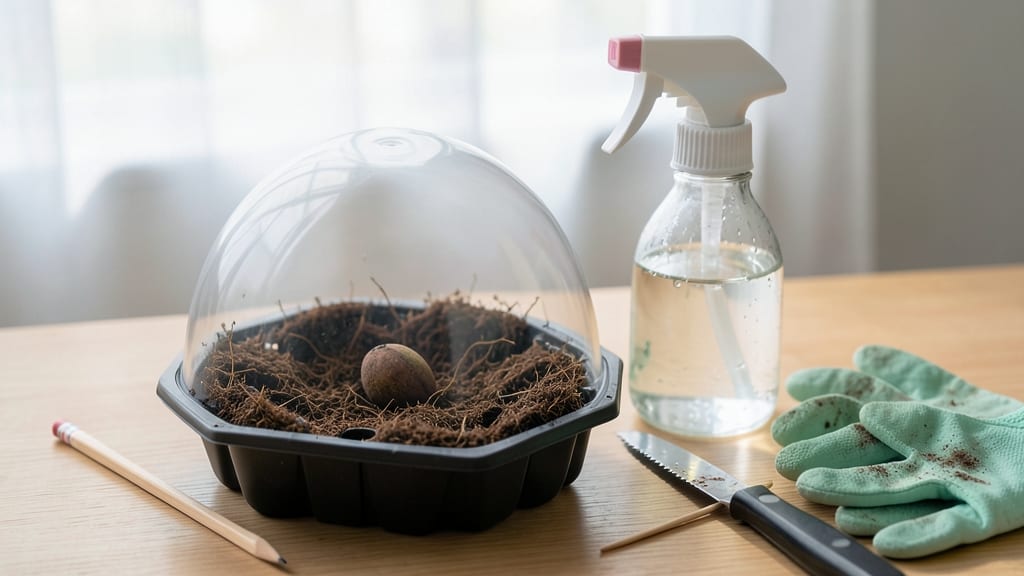
Preparing a mango seed for planting turns a grocery store discard into a potential tropical tree. 🌱 The process is straightforward but requires patience—some seeds sprout in weeks, others take months, and only about 30% of mango seeds will germinate successfully.
Here’s how to maximize your chances with simple steps that work even for beginners.
You’ll need just three things: a fresh mango seed (the bigger, the better), a small pot with drainage, and a mix of potting soil and perlite to keep moisture balanced without drowning the seed.
Skip the fancy equipment—this method works with what you already have at home. The key is creating the right conditions to trick the seed into thinking it’s buried underground in its natural habitat.
Once your seed sprouts (usually within 4-8 weeks if viable), you’ll watch a tiny shoot emerge that could grow into a tree with fragrant flowers and—if pollinated—sweet fruit. The first leaves will be simple, but within months, you’ll see the classic mango tree shape forming.
This is where the real magic happens, and it’s all thanks to those first careful steps.
For tropical climates, keep your seedling warm and moist, but if you’re in a cooler zone, you’ll need to overwinter it indoors near a sunny window. The biggest mistake?
Giving up too soon—some seeds take 6 months to crack open. Stick with it, and you might just grow your own mango tree from that pit you’d normally toss.
📚 In This Guide
- What you need
- Instructions
- Tips and common mistakes
- Wrapping up and next steps
What you need
- ● Mango seed: 1 fresh, plump seed (preferably from a ripe, organic mango—save the pit immediately after eating!)
- ● Water: Room-temperature (avoid cold or chlorinated water)
- ● Small container: 1 shallow dish, bowl, or seed tray (6–8 inches wide)
- ● Paper towels or coffee filters: 2–3 sheets (for moisture retention)
- ● Plastic wrap or cling film: 1 sheet (to create a humidity dome)
- ● Pencil or toothpick: 1 (for marking the seed’s orientation)
- ● Potting soil: 1 small bag (well-draining, organic mix for seedlings—avoid garden soil)
- ● Small pot or nursery container: 1 (3–4 inches in diameter, with drainage holes)
- ● Seedling heat mat: 1 (speeds up germination in cooler climates)
- ● Spray bottle: 1 (for gentle misting instead of soaking)
- ● Fertilizer (balanced, low-nitrogen): 1 small pack (e.g., 5-5-5 or fish emulsion—wait until sprouts appear!)
- ● Grow lights or sunny windowsill: 1 (if natural light is limited)
- ● Labels or plant markers: 1–2 (to track planting dates)
Step-by-Step guide to preparing a mango seed for planting
Turn that grocery store pit into a thriving seedling with this foolproof method.
🌱 Step 1: Extract and Clean the Seed
Start by carefully removing the seed from the mango fruit. I like to use a sharp knife to split the fruit open lengthwise, then gently pry out the seed with a spoon. Rinse it thoroughly under running water to remove any remaining fruit pulp—this prevents mold from forming later. Let it air-dry completely for 24 hours on a paper towel or clean cloth.
Here's the thing—don't skip the drying step. A damp seed will rot before it ever gets a chance to sprout. You'll know it's ready when the outer skin feels slightly rough to the touch and no moisture remains. This also helps identify any seeds that might be hollow or damaged.
💧 Step 2: Speed Up Germination with Warm Water Soaking
Fill a bowl with lukewarm water (about 85°F)—hotter than room temperature but not scalding. Place the dried seed in the water and let it soak for 5-7 days, changing the water every 24 hours. This softens the hard outer shell and kickstarts the germination process. I like to use a small glass jar with a loose lid so I can check progress daily.
Watch for the first signs of life—a tiny crack appearing along the seed's seam or a small white root emerging. This usually happens within 3-5 days of consistent soaking. If you see mold forming on the water's surface, dump it and start fresh with clean water. Mold means the seed's environment is too damp and warm.
☀️ Step 3: Plant the Germinated Seed Properly
Once you see a 1-inch root, it's time to plant. Fill a small pot (3-4 inches deep) with well-draining potting mix—never garden soil, as it compacts too easily. Make a hole about 1 inch deep and place the seed with the root pointing downward. Cover it lightly with soil, leaving the top half exposed.
Press the soil gently around the seed to remove air pockets, then water lightly until the soil feels evenly moist but not soggy. Place the pot in a warm spot (75-85°F) with bright, indirect light. Direct sunlight at this stage can scorch the delicate seedling. You'll see the first true leaves emerge within 2-4 weeks, signaling successful germination.
🌿 Step 4: Maintain Ideal Growing Conditions
Keep the soil consistently moist but never waterlogged—stick your finger in the soil up to your first knuckle. If it feels dry, it's time to water. Mango seedlings are sensitive to overwatering, so I use a spray bottle for gentle hydration until the plant is established. Once the seedling reaches 6 inches tall, you can gradually introduce it to more sunlight.
After 3-4 months, when the seedling has 4-5 true leaves, it's ready for transplanting into a larger container or garden bed. Choose a spot with full sun and well-draining soil. Mango trees are tropical and thrive in warmth, so if you're in a cooler climate, bring it indoors during winter or grow it in a container you can move.
Tips & tricks for perfect mango seed germination
Here's what nobody tells you about turning grocery store mango pits into thriving seedlings—these tricks make all the difference.
Drying is Non-Negotiable: That 24-hour drying period in Step 1 isn't just about removing moisture—it's your first quality control check. A seed that feels hollow when tapped won't sprout, and drying helps you identify those right away. I've lost count of how many "seeds" I thought were good until they rotted because they were empty inside.
Temperature Matters: For the warm water soaking in Step 2, I use a kitchen thermometer to confirm that 85°F temperature. Too hot and you'll cook the seed; too cold and germination slows dramatically. If you don't have a thermometer, test the water with your wrist—it should feel pleasantly warm, like freshly brewed tea. The goal is to mimic tropical conditions where mango trees thrive naturally.
Root Development Check: When you're waiting for that 1-inch root in Step 3, don't be impatient! I've tried planting seeds too early, and the root would just fall out when I watered. The root needs to be sturdy enough to support itself—it should feel firm when you gently touch it. This usually takes 3-5 days of consistent soaking, but some seeds take longer, especially if they're from less ripe fruit.
Light Balance Strategy: That bright, indirect light requirement in Step 3 is crucial. I place my seedling pots near an east-facing window where they get morning sun but are protected from harsh afternoon rays. Too much direct light at this stage can actually bleach the delicate leaves. If you don't have good window options, a grow light on a timer set for 12 hours works perfectly—just keep it about 6 inches above the plant.
Pro Tips for Prepare A Mango Seed For Planting
- Here's what nobody tells you about turning grocery store mango pits into thriving seedlings—these tricks make all the difference.
- Drying is Non-Negotiable: That 24-hour drying period in Step 1 isn't just about removing moisture—it's your first quality control check.
- Temperature Matters: For the warm water soaking in Step 2, I use a kitchen thermometer to confirm that 85°F temperature.
Frequently asked questions
Got questions about growing a mango tree from seed? You’re not alone! Here are answers to the most common queries to help you succeed with your mango seedling adventure.
How long does it take for a mango seed to germinate?
A mango seed typically takes 2 to 4 weeks to germinate, depending on temperature and moisture. Keep the soil consistently damp (not soggy) and maintain a warm environment (70–85°F). Patience is key—some seeds may take up to 8 weeks!
What’s the best temperature for mango seed germination?
Mango seeds thrive in warmth. Aim for a soil temperature of 70–85°F (21–29°C). If your climate is cooler, use a seedling heat mat or place the pot in a sunny window. Avoid chilly drafts—they’ll slow or stop germination.
Can I plant a mango seed directly in the ground?
Nope! Mango seeds are delicate and need protection first. Start them indoors in a small pot with well-draining soil, then transplant the seedling outdoors after it’s 3–6 inches tall and the weather is consistently warm (no frost risk!).
Why isn’t my mango seed sprouting?
If your seed isn’t germinating, check these fixes:
Too dry? Keep soil moist (not waterlogged).
Too cold? Move it to a warmer spot or use a heat source.
Old seed? Fresh seeds (from ripe mangoes) germinate better.
Rotten? If the seed smells foul, it may have mold—discard and try again.
Will my homegrown mango tree bear fruit?
Probably not for 5–10 years (if ever!). Most mango trees grown from seed are non-fruiting because they’re not grafted. For fruit, buy a grafted sapling from a nursery. But hey—your seedling can still be a stunning ornamental tree!
Wrapping up and next steps
Preparing a mango seed for planting is a simple yet rewarding process that unlocks the potential for a thriving tropical tree! 🌱 By following these steps—cleaning, drying, soaking, and nurturing your seed—you’re not just planting a seed; you’re cultivating a future harvest of sweet, juicy mangoes. Now that you’re equipped with the know-how, it’s time to take action! Grab your seed, find a sunny spot, and watch your little mango sapling grow into something extraordinary. Happy planting—your garden adventure starts today! 🌟