
Propagation
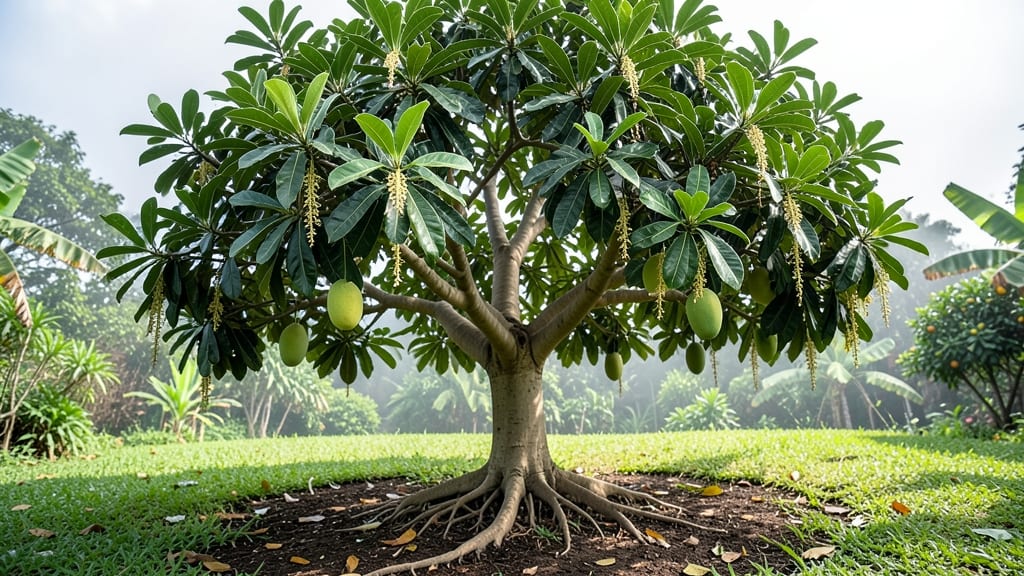
Growing a mango tree from seed to fruit is the ultimate gardening marathon—one that rewards patience with tropical sunshine in your own backyard. 🌱 The journey starts with a single seed that could one day produce fruit so sweet it tastes like summer vacation.
I’ve watched my own seedling grow from a tiny sprout to a sturdy sapling, and I’m here to share the exact steps that turn that dream into reality, even if you’re not in a tropical climate.
The biggest surprise? Most people quit after germination because they don’t realize how slow the early years move. Your seedling might take 3-5 years before it even flowers, but with the right care—like mimicking its natural tropical environment indoors or in a greenhouse—you’ll set it up for success.
The key is patience, consistent moisture, and protecting it from cold snaps until it’s strong enough to handle outdoor conditions.
By the time you see those first blossoms, you’ll know exactly how to hand-pollinate for fruit set, and within 2-3 years after flowering, you could be harvesting your own mangoes.
The fruit might not match grocery store varieties at first, but the satisfaction of growing something from scratch—plus the chance to breed your own improved strain—makes every slow season worth it.
This method works for container growers, greenhouse enthusiasts, or anyone with a sunny spot. The secret isn’t just the steps—it’s the mindset shift that turns a seed into a lifelong project. Let’s get those seeds sprouting!
📚 In This Guide
- What you need
- Instructions
- Tips and common mistakes
- Wrapping up and next steps
What you need
- ● Mango pit (seed): 1 fresh, ripe, and disease-free pit from a quality mango (preferably from a tree, not a hybrid).
- ● Potting mix: 1 bag (5-10 lbs) of well-draining, sterile cactus/succulent mix or a blend of 50% potting soil + 50% perlite/sand.
- ● Small pots: 2-3 (4-6 inch diameter) with drainage holes for seed germination.
- ● Larger container (1-2 gallons): For transplanting the seedling once it’s 6+ inches tall.
- ● Spray bottle: For gentle watering during germination.
- ● Plastic wrap or humidity dome: To maintain moisture around the seed.
- ● Fertilizer: Balanced, water-soluble fertilizer (e.g., 10-10-10) for young seedlings.
- ● Pruning shears: Small, sharp pair for trimming roots or shaping the tree.
- ● Sunlight access: A warm, sunny spot (or grow lights) for 6+ hours daily.
- ● Patience! 😉 Mango trees take 3-5 years to bear fruit from seed.
- ● Rooting hormone (to speed up germination).
- ● Soil moisture meter (to avoid over/under-watering).
- ● Mulch (e.g., straw or wood chips) for moisture retention in outdoor plantings.
- ● Pest control (neem oil or insecticidal soap for early signs of pests).
- ● Grafting tools (if you want to ensure fruit quality—advanced!).
Step-by-step guide to growing a mango tree from seed to fruit
Here's the straightforward method I've used to nurture mango trees from tiny seeds to fruiting plants.
🌱 Step 1: Extract and Prepare the Seed
Start with a fresh, plump mango—pick one that feels heavy for its size. Cut it open and remove the large, flat seed inside. Rinse it thoroughly under running water to remove any pulp clinging to the surface. This prevents mold and rot during the germination process.
Here's the thing—mango seeds have a hard outer shell that slows germination. I like to soak the seed in warm water for 24 hours before planting. This softens the shell slightly and kickstarts the sprouting process. Change the water halfway through to keep it fresh and oxygenated.
🪴 Step 2: Plant the Seed in a Moist Growing Medium
Fill a 4-inch diameter pot with a well-draining mix—equal parts potting soil and perlite or sand. Moisten it until damp but not soggy. Plant the seed 1 inch deep, placing it horizontally with the flat side down. This position encourages the seedling to grow upward more consistently.
Cover the pot with plastic wrap or a clear plastic bag to create a greenhouse effect. This traps warmth and humidity, which are critical for germination. Place the pot in a warm spot, ideally between 75-85°F. You'll see the first signs of growth in 2-4 weeks—watch for a tiny sprout emerging from the top or side of the seed.
☀️ Step 3: Transplant and Provide Optimal Light
Once the seedling reaches 3-4 inches tall and has a few sets of true leaves (not just the initial seed leaves), it's time to transplant. Choose a 6-inch pot with fresh potting mix. Handle the seedling gently—mango trees are sensitive to root disturbance.
Move the pot to a location with bright, indirect light for the first week. After that, gradually introduce it to direct sunlight for 4-6 hours daily. You'll notice the leaves darken and the stem thicken as the plant adjusts. Avoid harsh midday sun initially—it can scorch tender new growth.
💧 Step 4: Maintain Consistent Care for Growth
Water the seedling when the top inch of soil feels dry—usually every 3-5 days, depending on your climate. Mango trees hate soggy roots, so ensure the pot has drainage holes. I like to water deeply until it drains from the bottom, then empty the saucer to prevent root rot.
Fertilize lightly every 4-6 weeks with a balanced, water-soluble fertilizer diluted to half strength. This encourages steady growth without overwhelming the young plant. By 12 months, your mango tree should be 3-5 feet tall with a sturdy trunk—ready for its next phase of development.
⏰ Step 5: Prepare for Fruiting in the Long Term
Mango trees grown from seed are not true to type, meaning they won't produce fruit identical to the parent tree. However, with patience, yours can still bear fruit in 5-10 years. To encourage fruiting, plant it in full sun (at least 6-8 hours daily) and protect it from strong winds.
Once the tree is established, prune it annually to remove dead or crossing branches. This improves air circulation and helps the tree focus its energy on producing fruit. Real talk: fruiting takes time, but the journey from a tiny seed to a tree bearing sweet mangoes is incredibly rewarding.
Tips & tricks for perfect mango tree growth
Growing a mango tree from seed is a rewarding journey—here's how to set yourself up for success from day one.
Seed Preparation: After rinsing your seed thoroughly, place it in a small mesh bag before soaking to keep it contained. This makes it easier to handle and prevents losing it in the water. The 24-hour warm water soak is non-negotiable—it's what breaks the seed's dormancy and kickstarts the germination process. I've found that using filtered water prevents chlorine buildup that could inhibit sprouting.
Planting Position: When planting your seed horizontally with the flat side down (Step 2), imagine it as a tiny boat—this position helps the seedling grow upward more consistently. The 1-inch depth is perfect because it keeps the seed stable while allowing room for roots to develop. If you're using a terracotta pot, place it in a shallow tray of water for 10 minutes before planting to help the soil absorb moisture evenly.
Germination Environment: The ideal 75-85°F temperature range for germination is crucial, but don't stress if your home isn't that warm. A simple solution is to place the pot on top of your refrigerator or near a sunny window with indirect heat. You'll know you're on track when you see condensation forming on the plastic wrap—this is the greenhouse effect working perfectly. The 2-4 week germination window can feel like forever, but patience pays off here.
Transplanting Timing: The moment your seedling reaches 3-4 inches and develops its first true leaves (not the initial seed leaves), it's ready for its first transplant. This is typically around the 4-6 week mark from planting. When handling the delicate seedling, grip it by its leaves rather than the stem to avoid damage. Choose your 6-inch pot carefully—it should have drainage holes and be slightly larger than the current root ball to give your tree room to grow.
Pro Tips for Mango Tree From Seed To Fruit
- Growing a mango tree from seed is a rewarding journey—here's how to set yourself up for success from day one.
- Seed Preparation: After rinsing your seed thoroughly, place it in a small mesh bag before soaking to keep it contained.
- Planting Position: When planting your seed horizontally with the flat side down (Step 2), imagine it as a tiny boat—this position helps the seedling grow upward more consistently.
Frequently asked questions
Got questions about growing a mango tree from seed to fruit? You’re not alone! Here are some of the most common queries—and their straightforward answers—to help you navigate the journey with confidence.
How long does it take for a mango seed to sprout?
A mango seed typically sprouts within 2–4 weeks after planting, depending on warmth and moisture. Keep the soil consistently damp (not soggy) and place it in a warm spot (70–85°F). Patience is key—some seeds take longer, especially if they’re dried out or stored improperly. Pro tip: Soak the seed overnight before planting to speed up germination!
When will my mango tree actually produce fruit?
This is the million-dollar question! Seed-grown mango trees usually take 5–10 years to bear fruit, though some varieties may fruit earlier under ideal conditions. Grafted trees (from nurseries) often fruit in 2–4 years. Fun fact: The first fruits may not be as sweet or consistent as later harvests—think of it as the tree’s "practice round."
What’s the best climate for growing a mango tree from seed?
Mango trees thrive in tropical or subtropical climates with warm temperatures (above 60°F), high humidity, and 6–8 hours of sunlight daily. If you’re in a cooler zone, grow the tree in a large container and bring it indoors during winter. Young trees are more sensitive to frost—protect them with mulch or frost cloth if needed.
Can I eat mangoes from a seed-grown tree?
Yes, but with a caveat! Seed-grown mangoes are not true to the parent tree’s variety—they’ll likely be smaller, less sweet, or have different flavors. For consistent, high-quality fruit, consider grafting your seedling with a known variety later. That said, seed-grown mangoes are still delicious and a fun experiment!
What should I do if my mango seedling’s leaves turn yellow?
Yellowing leaves (chlorosis) often signal overwatering, nutrient deficiency, or pests. Check the soil—it should be moist but not waterlogged. Mango trees need well-draining soil and occasional fertilizer (rich in potassium and magnesium). Inspect the undersides of leaves for spider mites or aphids and treat with neem oil if needed. Quick fix: Prune affected leaves to encourage new growth.
Is it better to grow a mango tree from seed or buy a sapling?
It depends on your goals! Growing from seed is cheap, rewarding, and educational—but expect variability in fruit quality. Buying a grafted sapling from a nursery guarantees the variety and faster fruiting (usually 2–4 years). If you’re patient and curious, start with a seed! For a guaranteed harvest, opt for a sapling.
Wrapping up and next steps
Growing a mango tree from seed to fruit is a rewarding journey that blends patience, care, and a touch of tropical magic! 🌱 From nurturing a tiny seedling to harvesting your first sweet mangoes, every step is a testament to nature’s generosity. Remember: consistency, proper sunlight, and a little love are your best tools for success.
Now that you’re armed with the secrets to year-round harvesting, why not take the next step? Share your progress with fellow gardeners, experiment with different varieties, or even start a second tree to expand your tropical oasis. The best harvests begin with a single seed—so get planting! 🌿✨