
Lawn
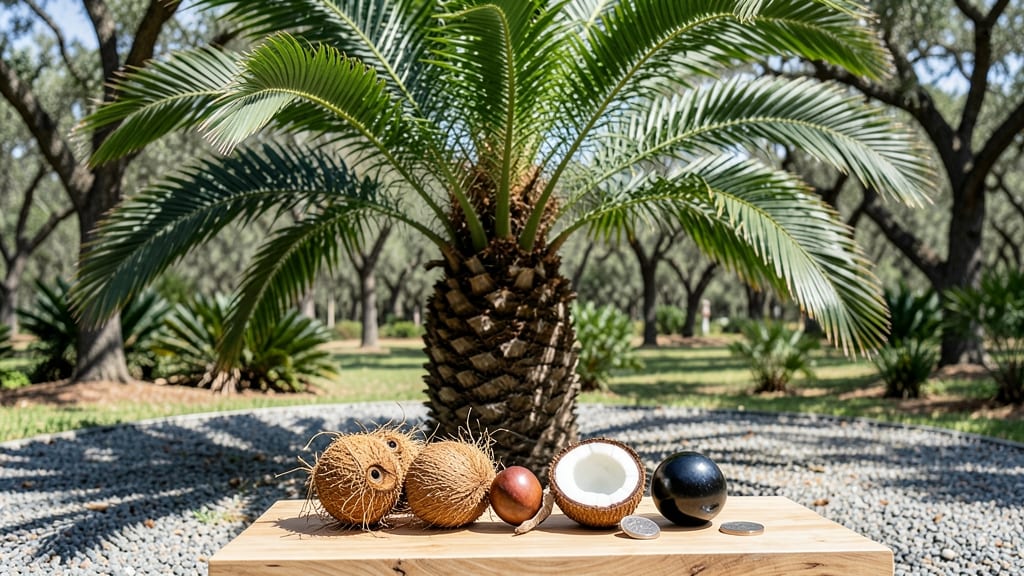
Finding the identification of palm tree seed pods in your yard?
Those oddly shaped pods hold the key to identifying your palm species—and they’re easier to spot than you think. 🌿 The first step is matching the pod’s size, shape, and color to common varieties like the coconut (round and fibrous) or sabal palm (small, oval, and brown).
Some pods even split open to reveal a single seed, while others contain multiple—this tiny detail tells you everything about what’s growing in your landscape.
Most people overlook the pod’s attachment point—where it connects to the stem—because that’s where you’ll find the most reliable clues. A smooth, woody attachment suggests a cocos nucifera, while a fibrous, hairy base points to a palm like the queen palm.
Grab a notebook and jot down these features before the pods dry out or fall, because once they hit the ground, they lose their identifying characteristics fast. A quick photo helps too—apps like PictureThis can cross-reference your find with a database of palm species.
Once you’ve narrowed it down, harvesting becomes straightforward: wait for the pod to turn brown and feel slightly soft before picking. This signals the seed inside is mature enough to plant—or at least ready for identification.
Just avoid touching the sap of some varieties (like the sago palm), which can irritate skin. You’ll end up with a clear answer about whether you’ve got a tropical showstopper or a low-maintenance native species growing in your yard.
Pro tip: Compare your findings with local palm species guides—some regions have protected varieties, so knowing exactly what you’ve got keeps you on the right side of gardening regulations.
And if you’re curious about growing from seed? That’s a whole other story—one that starts with a little patience and a damp paper towel.
📚 In This Guide
- What you need
- Instructions
- Tips and common mistakes
- Wrapping up and next steps
What you need
- ● Field Guide or Smartphone: A printed or digital guidebook (e.g., Palms of the World by John Dransfield) or a reliable app like iNaturalist or PictureThis for real-time ID help.
- ● Magnifying Glass (3x–10x magnification): Essential for inspecting fine details like pod texture, fiber patterns, or seed scars.
- ● Measuring Tape or Ruler: To record pod length, width, and thickness (in inches or centimeters) for accurate comparisons.
- ● Notebook & Pen: For jotting down observations (e.g., color, shape, location found, and any unique features).
- ○ Gloves (Optional but Recommended): Heavy-duty gardening gloves to protect against sharp edges or potential irritants like sap.
- ● Small Pruning Shears or Knife: For safely collecting samples (sterilize with rubbing alcohol if reusing).
- ● Plastic Bags or Containers: Sealable bags or small containers to store pods for further study or transport.
- ● Camera or Smartphone: High-resolution photos (front, side, and close-ups) are gold for cross-referencing with databases.
- ● Field Press (or Heavy Books): For flattening pod samples to preserve them for long-term reference.
- ● pH Test Kit: If testing soil conditions near the tree (some palms thrive in acidic/alkaline soils).
- ● Local Flora Database Access: Check with your local extension office for regional palm species guides.
- ● Portable UV Light (Blacklight): Reveals hidden patterns or fluorescence in pod fibers under UV.
How to identify and harvest palm tree seed pods
Mastering palm seed pod identification unlocks the secret to propagating your own tropical giants—here’s how to spot them and collect them properly.
🌿 Step 1: Observe the Pod’s Shape and Size
Palm seed pods vary dramatically by species, but most follow one of three basic shapes. Coconut palms produce round, fibrous pods with a single large seed inside—think of the classic beach-ball-sized husk. Date palms bear elongated, woody pods that split open to reveal rows of embedded seeds, while ornamental palms like the Areca or Kentia produce small, oval pods that resemble oversized peas.
Measure the pod’s length as a quick reference: coconuts typically reach 12-18 inches in diameter, date palm pods stretch 6-12 inches long, and smaller ornamental pods rarely exceed 2-3 inches. Pay attention to the pod’s texture—smooth, fibrous, or scaly—each tells a different story about the parent tree.
🌱 Step 2: Check for Seed Maturity and Harvest Timing
Harvesting too early ruins germination potential; too late and the seed may dry out or attract pests. For coconuts, wait until the husk turns golden-brown and feels firm when tapped—it should sound hollow inside. Date palm pods are ready when they split open naturally along the seams, revealing seeds that are deep brown and slightly wrinkled.
Ornamental palm pods, like those from Chamaedorea or Dypsis, should be collected when they detach easily from the tree but still feel plump. If the pod is soft or mushy, it’s overripe. For best results, harvest in late summer or early fall, when most tropical palms produce their final seed crop of the year.
✂️ Step 3: Extract and Clean the Seeds
Use a sharp knife or pruners to carefully slice open fibrous pods like coconuts—avoid crushing the seed inside. For date palm pods, gently pry open the woody casing with a screwdriver, then rinse the seeds in lukewarm water to remove any clinging pulp. Ornamental palm seeds often require soaking in water for 24 hours to soften the outer coating before planting.
Disinfect seeds by soaking them in a 1:10 bleach-to-water solution for 10 minutes, then rinse thoroughly. This step prevents fungal infections during germination. Lay seeds on a paper towel to dry for 1-2 hours—they’re ready when the outer surface feels slightly rough but not damp.
🔍 Step 4: Verify Seed Viability Before Planting
Test germination potential by placing seeds in a clear glass of water. Viable seeds will sink to the bottom within 24 hours (floating seeds are usually nonviable). For coconuts, crack open the shell and check for a white, firm interior—if it’s brown or hollow, discard it.
Date palm and ornamental seeds should feel heavy for their size and have a slightly moist interior when cut open. Store viable seeds in a cool, dry place (around 60-65°F) in a paper bag—plastic traps moisture and encourages rot. Label each seed with the species and harvest date to track germination progress.
🌱 Step 5: Plant or Store for Future Use
If planting immediately, sow seeds in well-draining potting mix at a depth of 1-2 inches, depending on size. Coconuts should be planted with the flat side down and the pointy end up, while smaller ornamental seeds can be pressed ½ inch deep. Keep the soil moist but not soggy—a humidity dome speeds up germination for tropical species.
For long-term storage, wrap seeds in damp paper towels, place them in a sealed plastic bag, and refrigerate. Check monthly for signs of mold or sprouting. Most palm seeds remain viable for 6-12 months under these conditions, though coconuts can last up to 2 years if kept dry.
Tips & tricks for perfect palm tree seed pod identification
These insider insights will help you avoid common mistakes and maximize your success when working with tropical seed pods.
Texture and Color Clues: The texture of the pod is just as important as its shape. Coconut pods should feel fibrous and slightly rough, while date palm pods have a hard, woody exterior. Ornamental palm pods often have a smooth, almost leathery surface. Pay special attention to color variations—healthy coconut husks transition from green to golden-brown, while overripe pods develop brown spots or mold. This visual guide helps distinguish between viable seeds and those that should be discarded.
Harvest Timing Secret: Late summer through early fall is the optimal window for harvesting most palm seeds, but don't rely solely on the calendar. For coconuts, the "hollow sound" test when tapped is foolproof—this indicates the seed inside has fully developed. Date palm pods should split naturally along their seams, revealing deep brown seeds. Ornamental seeds should detach easily but remain firm to the touch. Harvesting at these precise stages ensures maximum germination potential, which is especially crucial for tropical species that have lower natural viability rates.
Seed Viability Test: The 24-hour water test for seed viability is a game-changer. Place seeds in a clear glass of water—viable seeds will sink immediately, while nonviable ones float. For coconuts, crack open the shell to check for a white, firm interior. This simple test saves time and prevents disappointment when planting. I've found that even experienced growers often skip this step, leading to wasted effort on seeds that won't germinate. The 10-minute bleach soak that follows is equally important—it's the difference between healthy seedlings and fungal infections that can ruin your entire batch.
Storage Wisdom: Once you've identified and cleaned your seeds, proper storage becomes critical. Store them in a cool, dry place around 65°F in paper bags—plastic traps moisture and encourages rot. Label each seed with the species and harvest date to track germination progress over time. For long-term storage, wrap seeds in damp paper towels and refrigerate, checking monthly for signs of mold. This method preserves viability for up to 12 months, though coconuts can last even longer if kept completely dry. I've seen many growers overlook this step, only to find their seeds spoiled after just a few weeks.
Pro Tips for Identification Palm Tree Seed Pods
- These insider insights will help you avoid common mistakes and maximize your success when working with tropical seed pods.
- Texture and Color Clues: The texture of the pod is just as important as its shape.
- Harvest Timing Secret: Late summer through early fall is the optimal window for harvesting most palm seeds, but don't rely solely on the calendar.
Frequently asked questions
Got questions about identifying palm tree seed pods? You’re not alone!
Here are some of the most common queries—and their answers—to help you navigate the world of palm seed harvesting with confidence.
How do I tell if a palm seed pod is mature enough to harvest?
A mature palm seed pod is usually brown, dry, and slightly fibrous—not green or leathery. Tap it gently; if it sounds hollow and the shell cracks easily, it’s ready. Avoid harvesting pods that are still firm or moist, as they won’t germinate well.
Can I identify palm tree species just by looking at the seed pod?
Yes! While some species (like Cocos nucifera or coconut) have distinctive pods, others require closer inspection. Look for shape, size, fiber texture, and seed arrangement. For tricky cases, compare your pod to a visual guide or consult a local botanist.
What should I do if my palm seed pod won’t crack open?
Don’t force it! Soak the pod in warm water for 24–48 hours to soften the husk, then gently tap it with a hammer or pry it open with a knife. If it’s still stubborn, let nature take its course—some seeds need time to release.
Are there palm tree seed pods that don’t require special handling?
Some easy-to-handle pods include date palms (soft, fibrous) and palmetto seeds (small, round, and simple to extract). Avoid hard-shelled pods like those from sabal palms—they need extra prep time or soaking.
Can I grow a palm tree from any seed pod I find?
Not all pods are viable! Some species (like ornamental palms) produce sterile seeds. Stick to pods from mature, healthy trees and cross-reference with a reliable source to ensure germination potential.
Wrapping up and next steps
Identifying palm tree seed pods may seem tricky at first, but with the right visual cues and a little practice, you can become a pro! 🌴 From the spiky Cocos nucifera to the elegant Phoenix dactylifera, each species offers unique characteristics that make the process rewarding.
Whether you're a gardener, landscaper, or curious nature enthusiast, your newfound knowledge will help you spot, harvest, and even propagate these fascinating botanical treasures.
Ready to take the next step? Start by collecting a few samples from local palm trees (with permission!) and compare them side by side using your new guide. You might even share your findings with fellow plant lovers—who knows? You could inspire someone else’s green thumb journey!