
Propagation
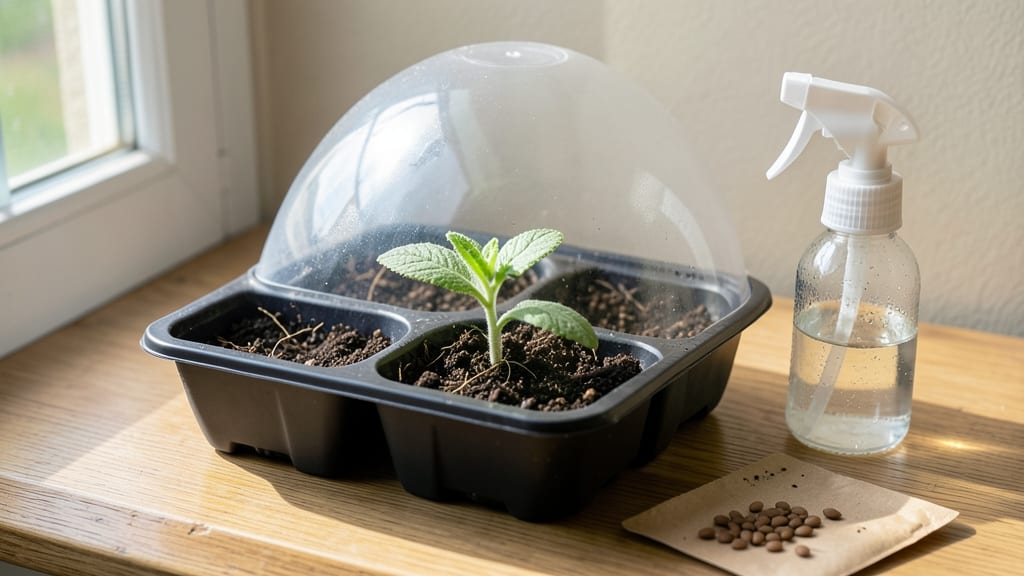
Lemon balm seeds need warmth to wake up—think of them as little sunbathers. 🌱 I’ve struggled with sluggish germination until I cracked the code: a cozy, moist environment and patience. The secret isn’t fancy equipment; it’s mimicking the conditions lemon balm craves in its native meadows.
Start with a shallow tray filled with seed-starting mix—lightweight and well-draining. Sprinkle seeds just below the surface (they’re tiny, so no need to bury them deep) and keep the soil damp but not soggy.
Place the tray in a warm spot, like on top of your fridge or near a heat mat, where temperatures hover around 75-80°F. That’s the magic trigger for those first green shoots to appear in 7-14 days.
Once sprouts break through, move them to brighter light but keep the warmth. Thin seedlings to 2-3 inches apart to avoid competition, and you’ll have sturdy young plants ready for transplanting in 4-6 weeks. The key? Consistency—lemon balm hates drying out or getting waterlogged.
For faster results, try soaking seeds overnight before planting. And if germination feels slow, don’t give up—some seeds take their time. With the right setup, you’ll have a thriving lemon balm patch in no time!
📚 In This Guide
- What you need
- Instructions
- Tips and common mistakes
- Wrapping up and next steps
What you need
- ● Lemon balm seeds: 1–2 tsp (about 15–30 seeds) – fresh or stored in a cool, dry place.
- ● Seed-starting mix: 1–2 cups of sterile, well-draining potting soil (look for a blend labeled for seedlings or herbs).
- ● Containers: Small pots (3–4 inches deep) or
- ● A seed tray with drainage holes (for multiple seeds).
- ● Watering can or spray bottle: With a fine mist nozzle (to avoid disturbing seeds).
- ○ Heat mat (optional but highly recommended): A seedling heat mat (70–80°F range) to mimic lemon balm’s tropical roots.
- ● Plastic wrap or humidity dome: To create a mini greenhouse effect.
- ● Grow lights or sunny windowsill: A south-facing window or LED grow lights (12–16 hours/day) once sprouts emerge.
- ● Small hand trowel or spoon: For gently pressing seeds into soil.
- ● Ruler or measuring tape: To ensure seeds are planted at the correct ¼-inch depth.
- ○ Fertilizer (optional): A diluted liquid seedling fertilizer (like fish emulsion) after 2–3 weeks.
- ● Label markers: To track planting dates (lemon balm seeds germinate fast!).
Step-by-step instructions for lemon balm seed germination
Here's how to coax those tiny lemon balm seeds into sprouts—no fancy equipment needed.
🌱 Step 1: Prep Seeds for Faster Germination
Lemon balm seeds have a hard outer coating that needs softening before planting. Place them in a small bowl of lukewarm water for 12-24 hours. You'll see the water turn slightly cloudy as the seed coats absorb moisture—this is a good sign. After soaking, gently rub the seeds between your fingers to break the coating slightly, but don't crush them.
This step is crucial because untreated seeds can take 3-4 weeks to sprout instead of the 10-14 days you'll achieve with prepped seeds. I like to soak them overnight on the kitchen counter—just make sure they stay submerged the whole time. If any seeds float, they're not viable and can be discarded.
💧 Step 2: Plant in Warm, Moist Soil
Fill a small seed tray or individual pots with well-draining potting mix and moisten it until damp but not soggy. Lemon balm seeds should be planted ¼ inch deep—about the width of a dime. I use a toothpick to make tiny holes in the soil, then drop 2-3 seeds per hole. Cover lightly with a thin layer of soil and mist gently with water until the surface looks evenly damp.
Here's the thing—lemon balm seeds need warmth to germinate. Place the tray on a seedling heat mat set to 75-80°F or in a warm spot like on top of your refrigerator. You'll know the soil is at the right temperature when condensation forms on the inside of a plastic wrap covering (if you use one). Keep the soil consistently moist but never waterlogged—you want it to feel like a damp sponge.
☀️ Step 3: Provide Humidity and Indirect Light
Cover the tray with clear plastic wrap or a humidity dome to trap warmth and moisture. Place it in a location with bright, indirect light—a south-facing window works well, but avoid direct sunlight, which can overheat the seeds. You'll see tiny sprouts emerge in 7-10 days, but don't be surprised if it takes up to 14 days, especially if your home runs cooler.
Check the seeds daily and remove the cover for 10 minutes to prevent mold growth. You'll notice the first true leaves appear after germination—these look like tiny oval shapes, not the initial round cotyledons. Once they're about 1 inch tall, thin the seedlings to the strongest one per pot, using scissors to snip the others at soil level.
🌿 Step 4: Transition to Growing Conditions
After the seedlings have 3-4 sets of leaves (about 3-4 weeks total), it's time to transition them to regular growing conditions. Remove the humidity cover completely and move them to a spot with 4-6 hours of morning sunlight. Lemon balm thrives in partial shade, so avoid placing them in hot afternoon sun, which can scorch the tender leaves.
Water the seedlings when the top ½ inch of soil feels dry—stick your finger in the soil to check. Overwatering is the biggest mistake here; yellowing leaves usually mean the roots are drowning. Once the seedlings are 2-3 inches tall, you can transplant them to individual pots or directly into the garden, spacing them 12-18 inches apart.
Tips & tricks for perfect lemon balm sprouts
Here's what nobody tells you about getting those lemon balm seeds to sprout reliably—these tricks cut germination time in half.
Soaking Secret: The 12-24 hour soak isn't just about softening—it's about testing viability. Discard any seeds that float during soaking (they won't sprout), but save the ones that sink. I like to soak mine in a glass bowl so I can easily spot the cloudiness that confirms proper hydration. After soaking, pat them dry with a paper towel before planting to prevent mold—this step is often skipped but makes a huge difference in preventing seed rot.
Warmth Hack: That 75-80°F soil temperature range is critical because lemon balm seeds are heat-sensitive. If your home runs cooler, place the seed tray on top of your refrigerator (not inside) or use a seedling heat mat. You can even create a DIY warm spot by placing the tray on a sunny windowsill with a clear plastic bag secured loosely over it—this traps radiant heat. Just check daily for condensation buildup, which signals the right temperature.
Lighting Tip: Bright indirect light is key during germination, but don't overlook the importance of consistency. If you're using artificial grow lights, position them 6 inches above the tray and keep them on for 12-14 hours daily. Morning sunlight is ideal because it's less intense than afternoon sun, which can scorch delicate sprouts. I've found that rotating the tray quarter-turn daily ensures even light exposure to all seeds.
Thinning Strategy: When thinning seedlings to the strongest one per pot at the 1-inch mark, use sharp scissors to snip at soil level rather than pulling. This prevents disturbing the roots of the remaining plant. You'll know you've waited too long if the seedlings start touching each other—they'll compete for nutrients and grow leggy. The right time is when they're crowded but still have distinct stems.
Pro Tips for Lemon Balm Seed Germination
- Here's what nobody tells you about getting those lemon balm seeds to sprout reliably—these tricks cut germination time in half.
- Soaking Secret: The 12-24 hour soak isn't just about softening—it's about testing viability.
- Warmth Hack: That 75-80°F soil temperature range is critical because lemon balm seeds are heat-sensitive.
Frequently asked questions
How long does lemon balm seed germination take?
Lemon balm seeds typically sprout within 14–21 days when kept in warm, moist conditions (70–75°F). For faster results, use the warmth-triggered method—soak seeds overnight, then place them in a warm, humid environment like a seedling heat mat. Patience is key, though—some seeds may take up to 30 days!
Can I germinate lemon balm seeds in cold weather?
Cold weather slows germination significantly. Lemon balm seeds thrive in warmth, so if outdoor temps drop below 50°F, start them indoors under grow lights or on a heat mat. If you must sow outside, use a cloche or cold frame to trap heat. Avoid planting until soil temps reach at least 60°F for best success.
What’s the easiest way to germinate lemon balm seeds?
The simplest method is the paper towel trick:
- Moisten a paper towel and place seeds inside.
- Wrap it loosely in plastic wrap.
- Store in a warm spot (like on top of a fridge) until sprouts appear (5–10 days).
- Transplant seedlings into soil once they’re 1–2 inches tall.
Why aren’t my lemon balm seeds sprouting?
Common culprits include:
- Cold soil/temps: Lemon balm needs warmth to germinate.
- Dry seeds: Soak seeds overnight before planting.
- Old seeds: Use seeds less than 1 year old for best results.
- Poor soil contact: Press seeds lightly into moist soil (¼ inch deep).
Can I grow lemon balm from cuttings instead of seeds?
Cuttings are easier and faster than seeds. Take 3–4 inch stems from a healthy plant, remove lower leaves, and dip in rooting hormone. Plant in moist potting mix, cover with a plastic bag to retain humidity, and place in bright, indirect light. Roots should form in 2–4 weeks—a great alternative for impatient gardeners!
Wrapping up and next steps
Growing lemon balm from seed is a rewarding journey—especially when you see those first sprouts emerge in just 14 days! With the right warmth, moisture, and patience, you’re well on your way to a thriving herb garden. 🌱
Now that you’re armed with the knowledge, give it a try! Start with a small batch, experiment with your setup, and soon you’ll be harvesting fresh lemon balm for teas, salads, or stress relief. Happy gardening!
Next step: Share your progress with fellow gardeners or dive into transplanting tips once your seedlings are ready!