
Propagation
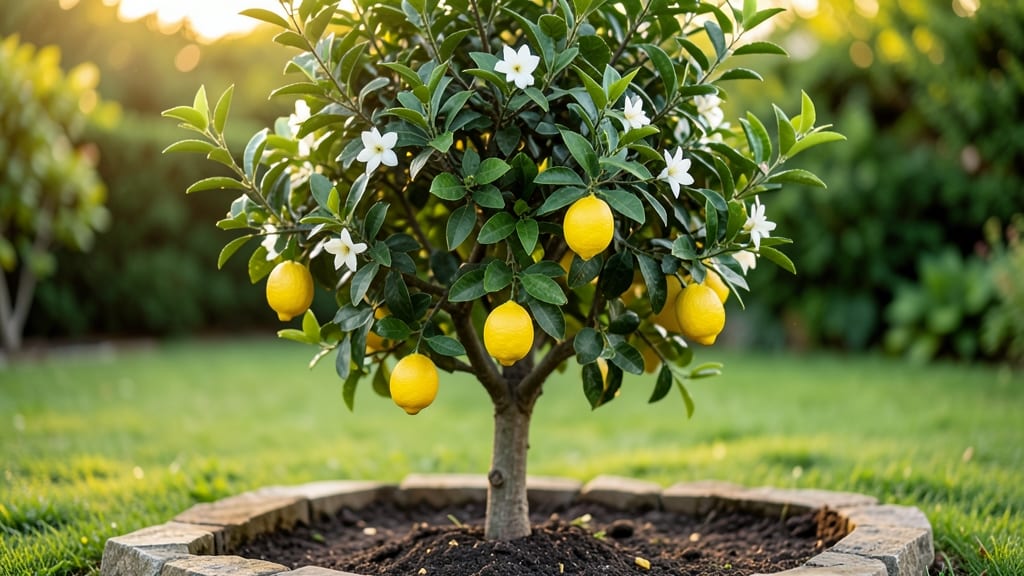
Growing a lemon tree from seed to fruit is like unlocking a sun-drenched secret—one that rewards patience with fragrant blossoms and tangy harvests. 🌱 I’ve watched my kitchen windowsill transform from a seedling to a productive tree, and the process is simpler than most expect, though it demands consistency over speed.
The real magic happens when you understand how to coax each stage forward without common mistakes that stall growth or prevent fruiting.
Starting with a seed from a store-bought lemon, you’ll need a sunny spot (indoors or outdoors), well-draining soil, and a steady hand for pruning—no fancy equipment required.
The first year focuses on establishing roots and a sturdy structure, while years two and three are where you’ll see the first blooms and tiny lemons forming. With proper care, your tree can produce fruit within 3-5 years, and with careful winter protection, it’ll keep bearing through the seasons.
What makes this journey special is the sensory progression: the sharp citrus scent of new leaves, the delicate white flowers that perfume the air, and finally, the moment you pluck your first homegrown lemon.
The key is avoiding overwatering (the #1 killer of young trees) and providing enough light—whether through a south-facing window or grow lights during winter months. Pests like aphids or spider mites are manageable with neem oil or a strong spray of water, so don’t let them derail your progress.
Even in small spaces, this project delivers—whether you’re growing a dwarf variety in a pot or a standard tree in the ground. The zero-twist pods (a grafting trick for better fruit set) are a pro move, but the basics of soil, light, and patience will get you there.
Let’s turn that seed into a lifetime of harvests, one careful step at a time.
📚 In This Guide
- What you need
- Instructions
- Tips and common mistakes
- Wrapping up and next steps
What you need
- ● Lemon seeds: 3–5 fresh, organic seeds (preferably from a ripe, organic lemon). Pro tip: 💡 Rinse seeds thoroughly to remove pulp before planting!
- ○ Seed-starting pots: 2–3 small pots (3–4 inches in diameter) with drainage holes. Optional: Biodegradable pots for easier transplanting.
- ● Well-draining potting mix: A high-quality seed-starting mix or a blend of 50% peat moss and 50% perlite or coarse sand.
- ● Spray bottle: For gentle watering (avoid over-saturating seeds).
- ● Plastic wrap or humidity dome: To create a mini greenhouse effect.
- ● Grow lights or sunny windowsill: A south-facing window or a LED grow light (12–16 hours/day) for seedlings.
- ● Larger container (5+ gallons): For transplanting after 3–6 months (ensure it has drainage holes).
- ○ Balanced fertilizer: A 5-5-5 or 10-10-10 NPK fertilizer (diluted to half-strength for seedlings). Optional: Organic options like fish emulsion or compost tea.
- ● Pruning shears: For shaping and maintaining the tree as it grows.
- ● Support stake or trellis: If growing indoors or in windy areas (lemon trees can get top-heavy!).
- ● Warmth: Ideal germination temperature is 70–85°F (21–29°C). Use a seedling heat mat if needed.
- ● Humidity: Maintain 60–70% humidity during germination and early growth.
- ● Sunlight: At least 6–8 hours of direct sunlight daily (or grow lights for indoor setups).
- ● Patience: Lemon trees from seed take 3–5 years to bear fruit! 🍋
- ● Soil moisture meter to monitor hydration levels.
- ● Epsom salt (magnesium sulfate) for occasional leaf treatments.
- ● Citrus-specific fertilizer (higher in nitrogen for young trees).
- ● Pest control: Neem oil or insecticidal soap (preventative measure).
- ● Grafting tools (if you want to speed up fruiting by grafting a citrus scion).
Step-by-step guide to growing a lemon tree from seed to fruit
Here's how I turn a simple seed into a thriving citrus tree that actually bears fruit—no fancy tricks required.
🌱 Step 1: Extract and Soak the Seed
Start with a fresh lemon—organic is best. Slice it in half and gently pry out the seeds with a spoon, avoiding the pulp. Rinse them under cool water to remove any sticky residue, then place them in a small bowl of lukewarm water for 24 hours. This softens the outer coating and speeds up germination.
After soaking, spread the seeds on a paper towel and let them air-dry for 10-15 minutes—just until the surface feels slightly tacky. This prevents mold when you plant. I like to label the towel with the date, because patience is key here: germination can take 3-4 weeks, so don’t rush it.
☀️ Step 2: Plant the Seeds in a Warm, Sunny Spot
Fill a 4-inch diameter pot with well-draining potting mix—citrus roots hate soggy soil. Plant the seeds ½ inch deep, spacing them 1 inch apart if using multiple seeds. Cover lightly with a thin layer of mix, then mist gently with water until the soil looks evenly moist but not wet.
Place the pot in a warm, bright spot with indirect sunlight. A south-facing window works, but avoid direct midday sun until sprouts appear. Keep the soil consistently moist by checking the top inch daily—water when it feels dry to the touch. A heat mat set to 75°F speeds up germination, but a sunny windowsill works too.
🌿 Step 3: Transplant and Train for Strong Growth
Once seedlings reach 4-6 inches tall (usually 6-8 weeks after planting), choose the strongest one and transplant it into a 6-inch pot with fresh potting mix. Handle the roots gently—citrus trees are sensitive to disturbance. Place it in a spot with 6+ hours of sunlight daily, like a sunny patio or greenhouse.
Pinch off any flowers that appear in the first year—the tree needs to focus on growing leaves and roots, not fruit. You’ll know it’s ready for fruiting when it’s at least 3 feet tall and has a sturdy trunk. This can take 2-3 years, so be patient. I fertilize lightly every 2 months with citrus-specific food to keep it healthy.
🪴 Step 4: Care for Mature Trees and Encourage Fruit
When your tree is 3+ feet tall, move it to a 12-15 gallon pot or plant it in the ground in a climate with no frost (zones 9-11). Citrus trees need full sun and well-draining soil—amend garden beds with compost if needed. Water deeply once a week, letting the top 2 inches of soil dry out between waterings to prevent root rot.
To trigger flowering, reduce water slightly in late winter and provide bright, indirect light. Small white flowers will appear in spring, followed by fruit in 6-12 months. Harvest lemons when they turn yellow and feel slightly soft to the touch—usually 6-9 months after flowering. Store them at room temperature for up to 2 weeks.
Tips & tricks for growing a thriving lemon tree from seed
These simple strategies will help you avoid common pitfalls and maximize your chances of success with your citrus project.
Seed Preparation: The 24-hour soak is essential for breaking down the seed's natural inhibitors, but don't skip the 10-15 minute drying step afterward. I've learned this the hard way—seeds that stay too damp can develop mold before they even sprout. After drying, store them in a sealed container in the fridge for up to 2 weeks if you need to delay planting. This preserves their viability while you wait for the perfect growing conditions.
Germination Environment: While the instructions mention 75°F as ideal for germination, I've found that maintaining consistent warmth is more important than hitting that exact temperature. Place your pot on a seedling heat mat if possible, but if not, group pots together—they'll generate their own warmth. Just avoid drafty areas, which can cause temperature fluctuations that slow germination. A clear plastic bag over the pot creates a mini greenhouse effect, but remove it daily for 10 minutes to prevent mold.
Transplanting Timing: Those 6-8 weeks until transplanting can feel like forever, but don't rush it. The seedlings need to develop strong roots before you move them. I wait until I see new leaves appearing regularly before transplanting—this usually happens right at the 6-week mark. When transplanting, water the original pot thoroughly first to loosen the roots and make the transition easier on your little tree.
Long-Term Care: The once-a-week watering guideline works well, but I've found that checking soil moisture with your finger is more reliable than counting days. Stick your finger about 2 inches into the soil—if it feels dry, that's when to water. For mature trees, I reduce watering to every 10-14 days during winter months when growth slows down. This prevents overwatering, which is the #1 killer of citrus trees.
Pro Tips for Lemon From Seed To Fruit
- These simple strategies will help you avoid common pitfalls and maximize your chances of success with your citrus project.
- Seed Preparation: The 24-hour soak is essential for breaking down the seed's natural inhibitors, but don't skip the 10-15 minute drying step afterward.
- Germination Environment: While the instructions mention 75°F as ideal for germination, I've found that maintaining consistent warmth is more important than hitting that exact temperature.
Frequently asked questions
Growing a lemon tree from seed is exciting but comes with questions—especially for beginners! Here are answers to the most common queries to help you navigate the journey from seed to fruit with confidence.
How long does it take for a lemon seed to sprout?
A lemon seed typically sprouts within 2–4 weeks if kept in warm, moist conditions (around 70°F/21°C). Patience is key—some seeds may take up to 6 weeks. Use a seed tray with a heating mat to speed up germination. Pro tip: Keep the soil consistently damp (not soggy) and place the tray in indirect light until sprouts appear!
When can I expect fruit from a seed-grown lemon tree?
Seed-grown lemon trees are slow to bear fruit—expect the first lemons 5–10 years after planting, depending on care and climate. Grafted trees (store-bought) fruit in 2–4 years. For faster results, consider grafting a lemon variety onto your seedling later. Fun fact: Patience pays off—homegrown lemons taste sweeter than store-bought!
Can I grow a lemon tree indoors, and what’s the best spot?
Yes! Lemon trees thrive indoors near a south-facing window or under grow lights (12+ hours/day). Choose a pot with drainage holes and use well-draining soil. Keep temperatures between 60–85°F (15–29°C) and avoid drafts. Move the tree outdoors in summer for sunlight and humidity. Watch out: Yellow leaves? It might need more light or water!
Why isn’t my lemon tree flowering or fruiting?
Common reasons include:
- Lack of sunlight: Lemon trees need 6+ hours of direct sun daily.
- Improper watering: Overwatering or underwatering stresses the tree.
- Nutrient deficiency: Use a citrus-specific fertilizer in spring/summer.
- Young age: Seedlings focus on growth first—wait 3+ years.
Try repotting if roots are crowded or adjust care based on your tree’s environment. Pro tip: A gentle shake during bloom can help pollination!
What’s the best climate for growing lemons from seed?
Lemon trees love warm, frost-free climates (USDA Zones 9–11). They tolerate light frost but prefer 70–85°F (21–29°C) year-round. In colder areas, grow them in pots and move them indoors during winter. Humidity matters too—mist leaves or use a pebble tray to combat dry air. Bonus: Coastal regions with mild winters are ideal!
Wrapping up and next steps
Growing a lemon tree from seed to fruit is a rewarding journey that blends patience, care, and a touch of creativity! 🌱 Whether you’re drawn to the fragrant blossoms or the tangy fruits, each step—from planting that tiny seed to harvesting your first lemons—is a testament to nature’s magic.
Now that you’re armed with the right tools, tips, and troubleshooting tricks, there’s no better time to start your own citrus adventure.
Ready to take the next step? Pick a sunny spot, grab your seed, and let the growing begin! 🌞 With consistency and love, your lemon tree could soon be gracing your kitchen with homegrown goodness. Happy planting!