
Propagation
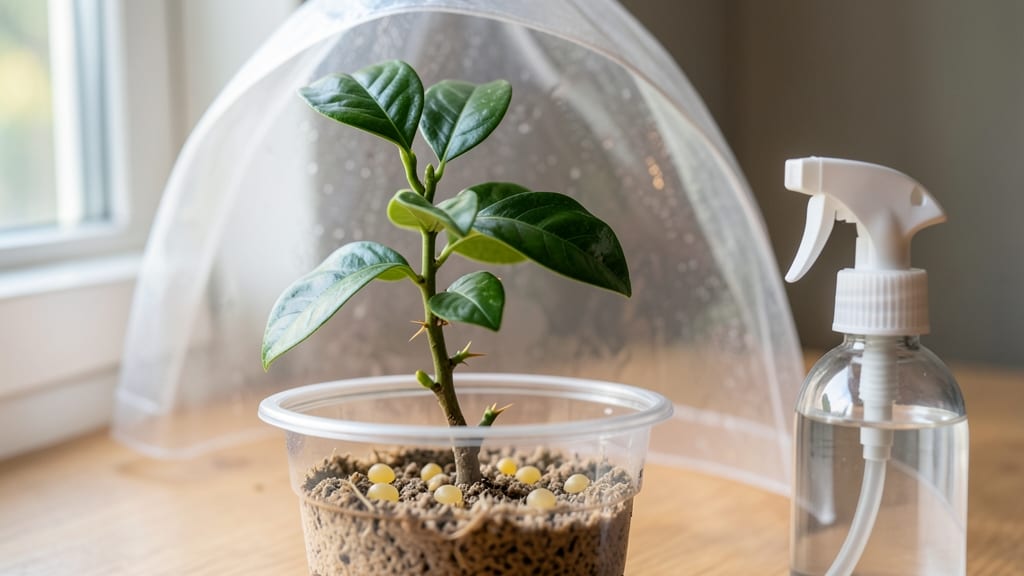
Turn that lemon peel into a tiny tree in just 3 weeks—but first, master the lemon seed germination trick that turns kitchen scraps into living plants. 🌱 The seeds from your citrus peels hold the potential for a lush tree if you give them the right start.
I’ve sprouted dozens this way, and the secret isn’t complicated: it’s all about moisture, warmth, and patience.
First, extract the seeds and let them dry for 24 hours—this prevents rot. Then, place them in a warm spot with indirect light, keeping the soil consistently moist (not soggy).
Most seeds sprout within 10-14 days, but some take the full 3 weeks. The key is consistency—too much water drowns them, too little stalls growth.
Once those first green shoots appear, you’ll feel like a citrus magician. 🌿 The seedlings need bright light (a sunny windowsill or grow light works) and gentle watering to avoid leggy stems. By 6 weeks, you’ll have sturdy little plants ready for their own pots.
Even if some seeds fail, you’ll likely get 2-3 strong seedlings—enough to keep one and share the rest. The real magic? Watching that kitchen scrap transform into a plant that could one day bear fruit. Here’s how to make it happen without the guesswork.
📚 In This Guide
- What you need
- Instructions
- Tips and common mistakes
- Wrapping up and next steps
What you need
- ● Lemon seeds (3–5): Freshly extracted from a ripe, organic lemon (avoid store-bought seeds if treated with fungicides).
- ● Small pots or containers (2–3): 3–4 inches deep with drainage holes (e.g., yogurt cups, seedling trays, or plastic containers).
- ● Potting mix: Well-draining, sterile seed-starting mix (avoid garden soil—it’s too dense!). Quantity: Enough to fill your containers 2/3 full.
- ● Water spray bottle: For gentle hydration (prevents overwatering).
- ○ Plastic wrap or clear dome: To create a mini greenhouse effect (optional but helpful for humidity).
- ● Toothpick or pencil: For planting seeds at the right depth.
- ○ Heating mat (optional): Keeps soil warm (70–85°F) for faster germination. Pro tip: A warm spot like a sunny windowsill works too! 🌡️
- ○ Grow lights (optional): If natural light is limited (12–14 hours/day).
- ● Fertilizer (after germination): Diluted citrus-friendly fertilizer (e.g., fish emulsion) once sprouts appear.
Step-by-step instructions for germinating lemon seeds
Here's how to transform kitchen scraps into citrus saplings—no green thumb required.
🌱 Step 1: Extract and Prepare the Seeds
Save the seeds from a fresh, organic lemon (store-bought seeds often won't germinate). Cut the lemon in half and scoop out the pulp with a spoon, then rinse the seeds under cool water to remove any clinging fruit. You'll need about 4-6 seeds for this project—more gives you backup saplings.
Place the cleaned seeds in a small bowl and cover them with lukewarm water for 24 hours. This softens the outer coating and kickstarts germination. I like to use a clear bowl so I can watch the seeds swell slightly—it's a great sign they're ready. After soaking, drain the water and let the seeds air-dry for 10-15 minutes on a paper towel.
🪴 Step 2: Set Up Germination Containers
Fill 4 small pots (about 3-4 inches deep) with a mix of 50% potting soil and 50% perlite—this ensures excellent drainage, which lemon seeds hate. Press the soil mix down gently but firmly, leaving about ½ inch of space from the top of the pot. The extra room prevents overwatering, which can rot the seeds before they sprout.
Plant one seed per pot, about ½ inch deep. I use my finger to make a small hole, drop the seed in, then cover it lightly with soil. Gently pat the soil around the seed to remove air pockets. Label each pot with the date—you'll be amazed how fast those first sprouts appear.
💧 Step 3: Provide Warmth and Moisture
Place the pots in a warm, humid environment—I like using a seedling heat mat set to 75-80°F, which speeds up germination. If you don’t have a heat mat, place the pots on top of your refrigerator or in a sunny windowsill. Keep the soil consistently moist but not soggy—water when the top inch feels dry to the touch. Overwatering is the #1 killer of lemon seeds.
Cover each pot with a clear plastic bag (like a ziplock) secured loosely with a rubber band. This traps humidity and mimics the tropical conditions lemon trees love. Check the pots daily for condensation inside the bags—if the inside fogs up, that’s perfect. Remove the bags as soon as you see green sprouts (usually 7-14 days), or the seedlings will develop mold.
☀️ Step 4: Introduce Light and Care for Sprouts
Once the first true leaves (not the initial seed leaves) appear, move the pots to a bright, indirect light spot. A south-facing window works well, but avoid direct sunlight, which can scorch tender new growth. If your home is dim, supplement with a grow light kept 4-6 inches above the seedlings for 12-14 hours daily. You’ll know the light is right when the leaves stay bright green and don’t stretch toward it.
Water the seedlings every 3-4 days, letting the top inch of soil dry out between waterings. Lemon seedlings are drought-sensitive, so always check the soil before watering—if it’s still damp, wait another day. Fertilizer is off-limits for now; young seedlings need time to establish roots before they can handle nutrients.
⏰ Step 5: Transplant and Encourage Growth
After 4-6 weeks, when the seedlings have 3-4 sets of true leaves, it’s time to transplant them into 6-inch pots with fresh potting soil. Gently remove each seedling, keeping the root ball intact, and place it in the new pot. Fill around the roots with soil, pressing lightly to eliminate air pockets. Water thoroughly to help the roots settle into their new home.
This is the moment that matters: prune the top set of leaves when transplanting. It might sound counterintuitive, but cutting back the top growth encourages the plant to grow bushier and stronger. After transplanting, place the pots in bright, indirect light and reduce watering slightly—overwatering now can cause root rot. Within 2-3 weeks, you’ll see new growth, and your lemon seedlings will be well on their way to becoming citrus trees!
Tips & tricks for perfect lemon seed germination
Here's what nobody tells you about turning lemon scraps into thriving citrus trees—trust me, these details make all the difference.
Seed Selection: The key to success starts with your lemons. Fresh, organic lemons from your kitchen are your best bet—store-bought seeds often won't germinate because they're irradiated to prevent sprouting. The thicker the lemon skin, the better chance your seeds have of surviving. I've had the best luck with lemons that still have their stems attached when I extract the seeds.
Soaking Technique: During that crucial 24-hour soak, keep the water lukewarm—not hot, not cold. Room temperature works perfectly. The seeds should swell noticeably, which means they're ready for planting. If you notice any seeds floating, they're not viable—discard them. This step is non-negotiable for breaking through the seed's tough outer shell.
Container Setup: The ½-inch gap you leave at the top of each pot isn't just extra space—it's insurance against overwatering. Lemon seeds rot faster than they sprout, and this small detail prevents that. When mixing your soil, sift it to remove any large perlite chunks that could create air pockets around the seeds. Think of it like creating a cozy, well-drained nest for your future tree.
Light Transition: When you move your sprouts to light after 7-14 days, resist the urge to rush this step. The seedlings are delicate, and direct sunlight can burn their tiny leaves. Start with just a few hours of indirect light, then gradually increase exposure. I've seen seedlings go from vibrant green to crispy brown in hours when moved too quickly—it's heartbreaking, but preventable.
Pro Tips for Lemon Seed Germination
- Here's what nobody tells you about turning lemon scraps into thriving citrus trees—trust me, these details make all the difference.
- Seed Selection: The key to success starts with your lemons.
- Soaking Technique: During that crucial 24-hour soak, keep the water lukewarm—not hot, not cold.
Frequently asked questions
Got questions about growing a lemon tree from seeds? Here are some of the most common ones—and their answers—to help you succeed!
How long does it take for lemon seeds to germinate?
Lemon seeds typically sprout in 2–4 weeks under ideal conditions (warmth, moisture, and indirect light). Keep the soil consistently damp but not soggy, and place the container in a warm spot (around 70–75°F). Patience is key—some seeds may take longer, especially if they’re older or stored improperly.
Do I need to soak lemon seeds before planting?
Soaking seeds for 12–24 hours in warm water can speed up germination by softening the outer shell. However, it’s not required. If you skip soaking, just ensure the soil stays moist to encourage sprouting. Pro tip: Use a spray bottle to mist the soil gently—overwatering can drown the seeds!
What if my lemon seeds don’t sprout?
Don’t worry—several factors could be at play. Check these troubleshooting steps:
- Old seeds: Seeds lose viability over time (store-bought seeds may not sprout as reliably as fresh ones).
- Cold temps: Lemon seeds need warmth (use a heat mat or place near a sunny window).
- Poor soil contact: Ensure seeds are buried just ½ inch deep and in moist soil.
- Damping off: Fungal issues can kill sprouts—use sterile soil and avoid overwatering.
Can I grow a lemon tree from a grocery store lemon?
Yes! Grocery store lemons are perfect for germination, but the resulting tree may not produce true lemons (they’ll likely be hybrid or seedless varieties). For better fruit quality, use seeds from a real lemon tree or heirloom varieties. Bonus: Hybrid trees often have unique flavors—experiment and enjoy the process!
How fast will my lemon seedling grow after germination?
Once sprouted, your seedling will grow slowly at first (about 1–2 inches per month in ideal conditions). After 3–6 months, growth speeds up with proper care (sunlight, fertilizer, and repotting). By year one, you might see 2–3 feet of height—but fruit production takes 3–5 years. Patience pays off with a thriving citrus tree!
Wrapping up and next steps
Growing a lemon tree from seed is a rewarding journey that turns kitchen scraps into lush greenery—and you’ve got all the tools to succeed! 🌱 With patience, the right conditions, and a little care, your seed could sprout in as little as three weeks.
Whether you’re a green thumb or a curious beginner, this process is your chance to nurture life from something as simple as a lemon pit.
Now that you’re armed with knowledge, take the next step: grab those seeds, prep your containers, and watch your citrus adventure bloom! Share your progress or ask questions—we’re here to cheer you on every step of the way. Happy growing! 🌿