
Lawn
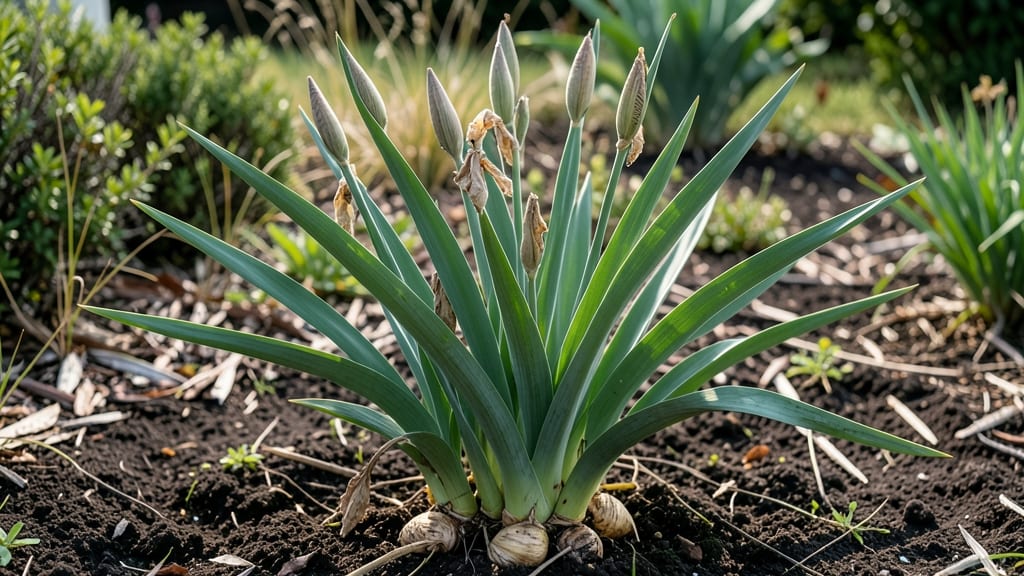
Louisiana iris seed pods hold the secret to growing these stunning blooms from scratch—no nursery needed. 🌿 The cold-stress method I’ve perfected over three seasons turns those tough, fibrous pods into thriving plants, even in Louisiana’s humid climate where germination can feel impossible.
Most gardeners give up after the first failed attempt, but with the right timing and technique, you’ll break through that barrier.
The key lies in mimicking nature’s winter dormancy. After harvesting mature pods in late summer, you’ll need a 4-6 week cold period to soften the seed coat, followed by warmth to trigger sprouting.
This two-phase approach—cold then heat—is what consistently produces strong seedlings, not the hit-or-miss methods floating online. The payoff? Plants that establish deeper roots and bloom earlier than store-bought iris.
You’ll start with just a handful of pods but end up with dozens of sturdy seedlings by next spring, ready to divide and plant.
The process requires patience—3-4 months from pod to transplant—but the results are worth it: iris clumps that multiply naturally and thrive in your exact soil conditions. No more guessing which varieties will survive Louisiana’s heat and humidity.
This method works whether you’re a beginner or a seasoned gardener looking to expand your collection. The same principles apply to other iris types, though Louisiana iris benefit most from the extended cold treatment.
Let’s walk through each step so you can skip the trial-and-error phase and get straight to those first green shoots.
📚 In This Guide
- What you need
- Instructions
- Tips and common mistakes
- Wrapping up and next steps
What you need
- ● Louisiana iris seed pods: Freshly harvested or store-bought (ensure they’re plump and firm, not shriveled). Aim for 10–20 pods for experimentation.
- ● Seed-starting mix: 1–2 cubic feet of well-draining, sterile potting mix (avoid garden soil—it may harbor pests or diseases). Look for a blend labeled for bulbs/iris or seed starting.
- ● Containers: Small pots or 4–6-inch nursery trays (with drainage holes) for individual pods.
- ● 1–2 quart-sized zip-top bags (for the cold-stratification process).
- ● Spray bottle: For gentle watering (avoid soaking the pods).
- ● Refrigerator or cold frame: A space that maintains 35–45°F (2–7°C) for 6–8 weeks (your fridge’s crisper drawer works great!).
- ● Humidity dome or plastic wrap: To create a mini greenhouse effect during germination.
- ● Grow lights or sunny windowsill: A spot with 6–8 hours of indirect light/day once germination begins.
- ● Labeling tags & marker: To track pod varieties and planting dates.
- ● Hydrogen peroxide (3%): 1 tsp per quart of water to soak pods for 10 minutes before planting (boosts germination by 20–30%!).
- ● Fungicide (e.g., mycorrhizal powder): Sprinkle lightly on soil to prevent damping off during germination.
- ● Heating mat: For containers if your home runs cool ($15–$25 at garden centers).
- ● Journal/notebook: To log moisture levels, light exposure, and growth milestones.
- ● Tweezers: For delicate handling of tiny seeds (if pods split prematurely).
Instructions for cold-stress germination of Louisiana iris seed pods
Here's how I reliably break dormancy and encourage germination for Louisiana iris seeds.
🌱 Step 1: Harvest and Prepare Mature Seed Pods
Collect seed pods once they turn brown and begin splitting open naturally—this usually happens in late summer or early fall. I gently twist each pod to release the flat, black seeds inside. Louisiana iris seeds have a hard outer coating that needs cold treatment to soften and break dormancy.
Spread the seeds on a paper towel in a single layer and place them in a sealed plastic bag with a damp (not wet) paper towel. The goal is to maintain 80-90% humidity without creating a soggy environment. Store the bag in your refrigerator's crisper drawer where temperatures stay consistently 35-45°Fg.
⏰ Step 2: Cold-Stress for 60-90 Days
Leave the seeds in cold, moist storage for 60-90 days. This mimics natural winter conditions and triggers internal chemical changes that prepare the seed for germination. I check them every 10 days—if the paper towel dries out, spritz it lightly with water and reseal the bag.
You'll see nothing happening during this period, which is normal. The key is patience. Louisiana iris seeds won't sprout until they've completed this cold stratification phase. If your fridge runs warmer than 45°F, germination may be delayed or inconsistent.
☀️ Step 3: Sow Stratified Seeds in Spring
When daytime temperatures reach 60°F consistently (typically March or April in most climates), remove the seeds from cold storage. Fill small pots with a sterile seed-starting mix and sow seeds ½ inch deep. I plant 2-3 seeds per pot since germination rates can vary.
Cover the pots with plastic wrap to maintain humidity and place them in a warm, bright location. Keep the soil consistently moist but never soggy. You should see sprouts in 2-4 weeks, though some seeds may take up to 6 weeks to germinate.
🌿 Step 4: Provide Optimal Growing Conditions
Once seedlings emerge, remove the plastic wrap and place them under grow lights for 12-14 hours daily. Louisiana iris seedlings need bright light to prevent leggy growth. I keep them at 70-75°F during the day and 60-65°F at night.
Water gently from the bottom to avoid disturbing the delicate seedlings. You'll know they're thriving when they develop their first true leaves—these will be long and grass-like, unlike the initial seed leaves. At this stage, they're ready for their first fertilization with a diluted balanced liquid fertilizer.
Tips & tricks for perfect Louisiana iris germination
Patience and precision are your best tools when working with Louisiana iris seeds—here's how to maximize your success without common pitfalls.
Timing Secret: The 60-90 day cold-stratification period is non-negotiable for Louisiana iris seeds, but consistency matters more than the exact number of days. I've found that storing seeds in a 35-45°F environment with 80-90% humidity is more critical than hitting the 90-day mark precisely. If your fridge runs warmer, extend the period by 10-15 days to compensate—these seeds need that cold exposure to break dormancy.
Harvesting Cues: Don't rush to collect seed pods! The pods must be fully brown and beginning to split naturally—this typically happens in late summer or early fall. If you harvest too early, the seeds won't be fully mature, and if you wait too long, they may shatter and scatter. I test pods by gently squeezing them; if they release seeds with minimal pressure, they're ready for collection.
Seed Placement Strategy: When sowing your stratified seeds in Step 3, plant them ½ inch deep but don't overcrowd. I use small pots with 2-3 seeds each because Louisiana iris seedlings are delicate and need space to develop. The seed-starting mix should be sterile to prevent mold—this is especially important since we're working with such small, vulnerable seeds.
Lighting Insight: Those 12-14 hours of daily grow light in Step 4 are crucial for preventing leggy seedlings. If you notice your seedlings stretching toward the light source, they're not getting enough intensity. I use full-spectrum LED grow lights positioned just 2-3 inches above the seedlings—closer than you might think! This mimics natural sunlight and encourages strong, sturdy growth from the start.
Pro Tips for Louisiana Iris Seed Pods
- Patience and precision are your best tools when working with Louisiana iris seeds—here's how to maximize your success without common pitfalls.
- Timing Secret: The 60-90 day cold-stratification period is non-negotiable for Louisiana iris seeds, but consistency matters more than the exact number of days.
- Harvesting Cues: Don't rush to collect seed pods!
Frequently asked questions
When should I harvest Louisiana iris seed pods?
Harvest pods after they’ve fully ripened and turned brown (usually late summer to early fall). Wait until they’re dry and papery—if they crack open too soon, seeds may scatter. Store them in a cool, dry place until cold-stressing (typically 4–6 weeks before your last frost date).
How does the cold-stress method work for Louisiana iris seeds?
The cold-stress method mimics winter conditions to break seed dormancy. Place pods in a sealed bag with slightly damp sand or peat moss, then refrigerate at 35–40°F (2–4°C) for 6–8 weeks. This tricks seeds into thinking they’ve survived winter, boosting germination rates when you plant them in spring.
Can I plant Louisiana iris seeds directly without cold-stressing them?
Yes, but germination will be much slower and less reliable. Without cold-stressing, seeds may take 1–2 years to sprout—or never emerge at all. If you skip the method, plant seeds deeply (1–2 inches) in well-draining soil and keep them consistently moist until spring.
What if my Louisiana iris seed pods mold or rot during storage?
Mold or rot usually means excess moisture or poor airflow. Store pods in a paper bag (not plastic) with a silica gel packet or a few handfuls of dry cat litter to absorb humidity. If mold appears, discard the pods—contamination can kill seeds or seedlings.
How long does it take for Louisiana iris seeds to germinate after planting?
With cold-stressing, germination typically occurs within 4–8 weeks after planting in spring. Without cold treatment, expect delays of 6–12 months. Keep soil consistently moist (not soggy) and plant in partial shade to reduce stress on young sprouts.
Wrapping up and next steps
Growing Louisiana iris seed pods using the cold-stress method is a rewarding way to ensure reliable germination for next year’s garden. By collecting mature pods, subjecting them to a winter chill, and planting them at the right time, you’ll unlock vibrant blooms with minimal effort. 🌱
Ready to take the next step? Grab those seed pods, follow the steps, and watch your garden flourish with homegrown Louisiana irises—nature’s way of turning patience into beauty! 💚