
Lawn
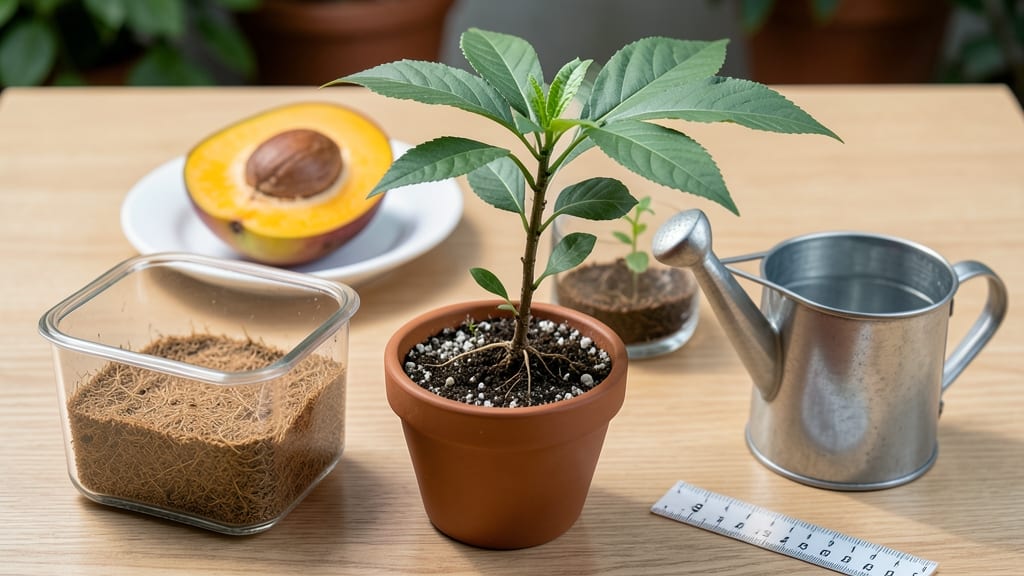
Watching the growth stages of a mango seed transform into a sapling is like unlocking a tiny tropical miracle. 🌱 The first 10 days are all about patience—your seed might just sit there, stubborn as a mango pit, before finally cracking open to reveal a pale, delicate shoot.
I’ve seen mine take 7 days, others 14, but that first green tooth breaking through the shell is pure magic.
Once that shoot appears, you’re in the seedling stage, where your little plant will need bright, indirect light and soil kept damp (not soggy). Within 30 days, you’ll spot true leaves—those are your cue to start talking about real growth.
This is when most people panic about leggy stems, but a simple tweak to your grow light or rotating the pot fixes that fast.
By day 60, your seedling should be 4-6 inches tall with a sturdy stem, ready for its first transplant. That’s when the real adventure begins—hardening it off, choosing a permanent spot, and dreaming of those first blossoms.
The smell of fresh mango leaves alone makes every slow week worth it.
Here’s the secret: consistency beats intensity at every stage. Overwatering kills more seedlings than drought, and too much sun burns those tender new leaves. Stick with me, and we’ll turn that pit into a plant that could one day bear fruit—even if it takes years.
📚 In This Guide
- What you need
- Instructions
- Tips and common mistakes
- Wrapping up and next steps
What you need
- ● Mango seeds: 1–3 fresh, plump seeds (harvested from a ripe, organic mango for best results).
- ● Well-draining potting mix: 2–3 cups of a blend like cactus/succulent mix or peat-based soil (avoid heavy clay).
- ● Small pots or seed trays: 2–4 containers (3–4 inches deep) with drainage holes. Plastic cups with holes punched in the bottom work too!
- ● Watering can or spray bottle: For gentle hydration—overwatering is the #1 killer of sprouts! 💦
- ● Clear plastic wrap or humidity dome: To create a mini greenhouse effect (e.g., a ziplock bag with holes or a plastic lid).
- ● Sunlight access: A sunny windowsill (south-facing) or a grow light (12+ hours/day).
- ● Patience and a notebook: Track moisture, light, and growth progress (trust us, it’s fun!).
- ● Seedling heat mat: Keeps soil warm (70–85°F) to speed up germination.
- ● Fertilizer: A balanced liquid fertilizer (10-10-10) diluted to half-strength for young seedlings.
- ● Humidity tray: A shallow tray with pebbles and water to boost moisture levels.
- ● Pruning shears: For trimming future leaves or roots if needed.
- ● Garden twine or stakes: To support the seedling as it grows taller.
Step-by-Step guide to identifying mango seed growth stages
Here's how to track your mango seed's journey from pit to sapling in clear, visual stages.
🌱 Step 1: Germination (Days 1-14)
The first stage begins when you plant your cleaned mango pit ¼ inch deep in moist, warm soil. Within 3-7 days, you'll spot the radicle—a tiny white root—pushing through the seed coat. This is your first sign of success, though it might take up to 14 days in cooler conditions.
Keep the soil consistently damp (not soggy) and maintain 75-85°F warmth. You'll see the seed split open as the plumule (future stem and leaves) emerges next. This stage is delicate—overwatering or cold soil can halt progress entirely.
🌿 Step 2: Early Seedling (Days 15-30)
Once the first true leaves (not the initial seed leaves) appear, your seedling has entered this phase. These leaves will be oval-shaped, glossy, and deep green, growing in pairs along the stem. You'll notice rapid growth if conditions are right—expect 1-2 new leaves per week.
Move the seedling to bright, indirect light immediately. Direct sun now can scorch tender leaves. You'll see the stem thicken slightly as the plant establishes its root system deeper in the soil. This is when you can gently firm the soil around the base to support upright growth.
☀️ Step 3: Leaf Development (Days 31-45)
By day 30, your seedling should have 4-6 true leaves and begin developing a more defined stem. The leaves will grow larger (up to 2 inches long) and develop prominent veins. You'll notice the plant starts leaning toward light sources—rotate the pot quarter-turn daily to encourage even growth.
This is the stage where you can introduce fertilizer (diluted fish emulsion works well). Watch for new growth at the tips—this indicates the plant is photosynthesizing effectively. If leaves yellow at the edges, you're overwatering; if they're pale, it needs more light.
🪴 Step 4: Transplant Readiness (Days 46-60)
Your seedling is ready for its first repotting when it reaches 6-8 inches tall with a thickened stem and 8-10 true leaves. The roots will begin circling the original container. Choose a 4-inch pot with drainage holes and fill with fresh potting mix.
After transplanting, keep the soil moist but not wet for 10 days to reduce shock. You'll see new growth within 2 weeks if the transition was successful. This stage is about building strength—your seedling will develop small flower buds (though fruiting takes years) and a more woody stem.
⏰ Step 5: Early Maturity (60+ Days)
At the 2-month mark, your sapling should have 12+ leaves and a 1-foot stem. You'll notice small lateral branches forming at the base, and leaves will develop a slightly waxy texture. This is when you can begin light pruning to encourage bushier growth.
Reduce watering slightly as the plant matures—wait until the top 1 inch of soil feels dry. Your mango tree is now a permanent fixture, though it will take 3-5 years to bear fruit. The key now is patience and consistent care to guide its development.
Tips & tricks for perfect mango seed growth
Tracking your mango seed's progress can feel like waiting for a miracle—but these insider tips will help you spot success early and avoid common pitfalls along the way.
Germination Timing: That 3-7 day window for radicle appearance is your first critical clue. If you're in cooler conditions (below 75°F), extend your patience to the full 14 days. I've seen seeds take 10 days in a warm kitchen (78°F) but 12 days in a basement corner—temperature makes all the difference. Keep a small notebook by your seed tray to track daily observations.
Light Transition Secret: The switch to bright, indirect light in Step 2 is non-negotiable. I've ruined seedlings by moving them too soon to direct sun—those first true leaves will crisp like parchment paper. Place your seedling near an east-facing window first, then gradually introduce more light over 3-4 days. Think of it as sun acclimation for your plant.
Leaf Development Watch: When you see those 4-6 true leaves by day 30, count them carefully. Each leaf represents a growth spurt—if you're missing leaves, check your light source. I once had a seedling with only 3 leaves after 45 days because it was sitting too far from the window. The solution? Move it to a south-facing window with supplemental grow lights if needed.
Transplanting Confidence: That 6-8 inch height marker for repotting is your green light. I recommend using a clear plastic pot during this stage so you can actually see the roots circling the container. When you spot roots wrapping around the sides, that's your cue to upgrade. Choose a pot just 2 inches larger in diameter to avoid overwhelming the seedling with too much fresh soil.
Pro Tips for Mango Seed Growth Stages
- Tracking your mango seed's progress can feel like waiting for a miracle—but these insider tips will help you spot success early and avoid common pitfalls along the way.
- Germination Timing: That 3-7 day window for radicle appearance is your first critical clue.
- Light Transition Secret: The switch to bright, indirect light in Step 2 is non-negotiable.
Frequently asked questions
Got questions about growing mango seeds? You’re not alone! Here are answers to the most common queries to help you navigate the mango seed growth stages like a pro.
How long does it take for a mango seed to sprout?
A mango seed typically sprouts within 7 to 21 days after planting, depending on conditions like warmth, moisture, and seed viability. If you’re patient and keep the soil consistently moist (but not soggy), you’ll likely see a tiny shoot emerging in about 10–14 days. Pro tip: Place the pot in a warm spot (70–85°F) to speed up germination!
What are the key stages of mango seed growth?
The journey from seed to sapling includes:
- Germination (Days 7–21): The seed cracks open, and a small root (radicle) appears first, followed by a shoot.
- Seedling (Weeks 3–6): Leaves unfurl, and the plant grows 2–4 inches tall. Keep it in bright, indirect light.
- Establishment (Months 2–3+): The plant develops a stronger root system and may flower (though fruiting takes 3–5 years!).
Why isn’t my mango seed sprouting after 3 weeks?
Don’t panic! Common culprits include:
- Dormant seed: Some mango seeds need scarification (lightly sanding the hard shell) or stratification (cool, moist treatment) to break dormancy.
- Poor conditions: Too cold (<60°F), dry soil, or lack of light can stall growth. Move your pot to a sunny windowsill or use a grow light.
- Rotten seed: If the seed smells foul or turns mushy, it’s likely rotted from overwatering. Start fresh with a new seed!
Can I grow a mango tree from a store-bought mango seed?
Store-bought mango seeds are 100% viable for growing, but expect a few surprises:
- The resulting tree may not produce fruit identical to the parent mango (due to cross-pollination).
- Tropical varieties (like ‘Haden’ or ‘Keitt’) thrive in USDA Zones 10–11. In colder climates, grow it as a houseplant or dig it up in winter.
- For faster results, opt for grafted mango trees (available at nurseries), which fruit in 1–2 years instead of 5+.
How do I transplant a young mango seedling outdoors?
Wait until your seedling is 6–12 inches tall with at least 2–3 sets of leaves before transplanting. Follow these steps:
- Hardening off: Gradually expose the seedling to outdoor conditions over 7–10 days (start with 1–2 hours of sunlight daily).
- Choose a spot: Pick a location with full sun (6+ hours/day) and well-draining soil. Mangoes hate soggy roots!
- Dig carefully: Transplant with the entire root ball intact to avoid shock. Water thoroughly after planting.
Wrapping up and next steps
Understanding the mango seed growth stages transforms a simple seed into a thriving plant—proof that patience and care yield incredible results! 🌱 From the first sprouts to a sturdy seedling, each phase is a milestone worth celebrating.
Now that you’re equipped with the right knowledge, why not take the next step? Grab a seed, a pot, and let nature’s magic unfold in your own backyard. Happy growing!