
Lawn
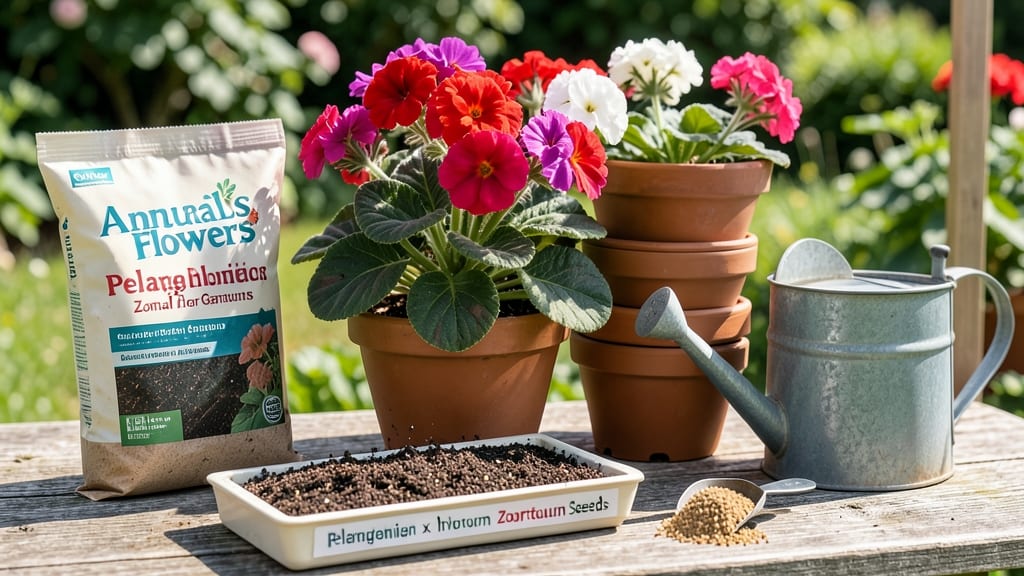
Growing geraniums from seed geranium care means vibrant blooms that last from spring through fall—if you nail the first few weeks. 🌱 I’ve learned the hard way that skipping the right soil mix or light setup turns seedlings into sad, leggy sticks.
The secret? Mimicking their natural Mediterranean habitat with just a few simple tweaks.
Start with a seed-starting mix that drains like sand, not clay—geraniums hate soggy roots. Plant seeds just ¼ inch deep in small pots (2-3 inches wide) and keep them in a warm spot (65-75°F) until sprouts appear in 7-14 days.
No fancy grow lights? A sunny windowsill works, but rotate pots daily so they don’t stretch toward the light.
Once seedlings have 2-3 true leaves, transplant them into slightly larger containers (4-6 inches) with morning sun and afternoon shade to avoid scorching. Water at the soil level—never overhead—and let the top inch dry between waterings. This routine keeps them compact and bushy, not floppy.
Geraniums reward patience with nonstop blooms if you deadhead spent flowers and feed them every 4-6 weeks with a balanced fertilizer. Overwintering? Bring them inside near a bright window and reduce watering—just enough to keep leaves slightly wrinkled. Few plants deliver this much color with so little effort.
📚 In This Guide
- What you need
- Instructions
- Tips and common mistakes
- Wrapping up and next steps
What you need
- ● Seed geranium seeds: Choose a variety you love (e.g., Pelargonium spp.)—about 10-20 seeds per pot or square foot for a full display.
- ● Seed-starting trays or pots: 2-4 inch deep containers with drainage holes (or biodegradable peat pots for transplanting).
- ● Seed-starting mix: A lightweight, sterile potting mix (avoid garden soil—it’s too dense!).
- ● Grow lights or sunny windowsill: A grow light (LED or fluorescent) or a south-facing window for 6-8 hours of light daily.
- ● Spray bottle: For gentle watering (avoid over-saturating seeds!).
- ○ Plastic wrap or humidity dome: Keeps moisture in while seeds germinate (optional but helpful).
- ● Fertilizer (balanced, water-soluble): 5-10-5 or 10-10-10 ratio, diluted to ½ strength once seedlings sprout.
- ● Garden soil: Well-draining, amended with compost (geraniums hate soggy roots!).
- ● Mulch: 1-2 inches of organic mulch (straw or shredded bark) to retain moisture.
- ● Stakes or cages: For tall varieties (e.g., 6-inch metal cages or bamboo stakes).
- ● Pruning shears: Sharp, bypass pruners for shaping and deadheading.
- ● Heat mat: Speeds up germination in cooler climates (70-75°F is ideal).
- ● pH test kit: Geraniums prefer 6.0-7.0 pH—adjust soil if needed.
- ● Slow-release fertilizer pellets: Mix into soil at planting for 3-4 months of nutrients.
- ● Insecticidal soap: For aphid or spider mite prevention (geraniums are pest magnets!).
Step-by-step instructions for growing geraniums from seed
Here's how to nurture delicate geranium seedlings into hardy, blooming plants with just a few key techniques.
🌱 Step 1: Start Seeds Indoors at the Right Time
Geranium seeds germinate best when soil stays between 65-70°F. I begin sowing indoors 8-10 weeks before your last frost date—this gives seedlings enough time to mature before outdoor conditions stabilize. Use small seed-starting trays with 2-3 inch deep cells filled with sterile seed-starting mix.
Sow seeds ⅛ inch deep (just barely covering them) since they need light to germinate. I like to use a fine mist spray bottle to dampen the soil without disturbing the seeds. Place the tray in a warm spot—like on top of the fridge—covered with clear plastic wrap to retain moisture and warmth. Check daily for condensation; if it appears, remove the wrap for 30 minutes to prevent fungal growth.
💧 Step 2: Provide Light and Prevent Leggy Growth
Once seedlings emerge (usually 14-21 days), remove the plastic wrap immediately. Geraniums need 14-16 hours of light daily to prevent leggy growth. A grow light positioned 2-4 inches above the seedlings works best—adjust the height as they grow to maintain that gap. You'll notice healthy seedlings have thick stems and dark green leaves spaced 1 inch apart.
Water from the bottom by placing the tray in ½ inch of water for 10 minutes instead of from above. This keeps soil evenly moist without disturbing delicate seedlings. Avoid wetting the leaves, as this encourages powdery mildew. Rotate the tray a quarter turn daily so seedlings grow straight toward the light.
☀️ Step 3: Harden Off and Transplant Outdoors
Two weeks before your last frost, start hardening off seedlings by placing them outside in a shaded, sheltered spot for 1-2 hours the first day. Gradually increase outdoor time by 1 hour daily until they can tolerate full sun. Geraniums thrive in full sun to partial shade—morning sun with afternoon shade works best in hot climates.
Transplant outdoors after the soil warms to at least 55°F and all frost risk has passed. Space seedlings 12-18 inches apart in well-draining soil. I like to dig a hole twice as wide as the root ball to encourage root spread. Water deeply at the base—1 inch of water per week—and mulch with 1-2 inches of organic mulch to retain moisture and suppress weeds.
🌿 Step 4: Maintain Year-Round Health and Blooms
Geraniums bloom best when deadheaded regularly. Pinch back spent flowers ¼ inch above the next set of leaves to encourage bushier growth. Fertilize lightly every 4-6 weeks with a balanced, water-soluble fertilizer (10-10-10) during the growing season. Over-fertilizing leads to lush foliage but fewer blooms—less is more.
In winter, move container-grown geraniums to a cool, bright spot (50-60°F) and reduce watering to every 2-3 weeks. Prune back leggy stems by ⅓ in early spring to promote fresh growth. You'll see new shoots emerge within 2-3 weeks—that's your signal to resume regular care and watch for those first spring blooms.
Tips & tricks for perfect seed geranium care
These simple strategies will help you avoid common pitfalls and ensure your geraniums thrive from seed to full bloom.
Temperature Precision: Maintaining that 65-70°F soil temperature range is crucial for germination. If your home runs cooler, consider using a seedling heat mat set to 70°F beneath your trays. I've seen germination rates drop dramatically when soil temperatures dip below 60°F—especially in basements or drafty rooms. The 8-10 week indoor growing window gives you flexibility, but don't rush it—rushed seedlings struggle outdoors.
Lighting Strategy: For those 14-16 hours of daily light, I recommend supplementing natural light with a full-spectrum LED grow light on a timer. Position it 2-4 inches above seedlings and adjust as they grow. Watch for leaves stretching toward the light—this "leggy" growth is your signal to lower the light or increase exposure time. Rotating the tray daily ensures even growth, preventing lopsided seedlings that struggle to support themselves.
Transplanting Technique: When transplanting outdoors after soil reaches 55°F, dig holes twice as wide as the root ball to encourage root spread. This simple step prevents transplant shock by giving roots room to establish immediately. Water deeply at the base—1 inch per week—and apply 1-2 inches of organic mulch to lock in moisture. I've found that mulching also suppresses weeds, reducing competition for your young plants' nutrients.
Winter Care: During winter storage at 50-60°F, reduce watering to every 2-3 weeks and place plants near a bright window. The key is maintaining just enough moisture to prevent complete desiccation. In early spring, prune back leggy stems by ⅓—you'll notice new shoots emerge within 2-3 weeks, signaling it's time to resume regular care. This pruning shock actually stimulates bushier growth for the coming season.
Pro Tips for Seed Geranium Care
- These simple strategies will help you avoid common pitfalls and ensure your geraniums thrive from seed to full bloom.
- Temperature Precision: Maintaining that 65-70°F soil temperature range is crucial for germination.
- Lighting Strategy: For those 14-16 hours of daily light, I recommend supplementing natural light with a full-spectrum LED grow light on a timer.
Frequently asked questions
How often should I water seed geraniums?
Water geraniums when the top inch of soil feels dry—usually every 2–3 days in summer and every 5–7 days in winter. Overwatering causes root rot, so always check moisture before watering. Pro tip: Use well-draining soil and pots with drainage holes to prevent soggy roots!
When is the best time to plant seed geraniums?
Start seeds indoors 8–10 weeks before your last frost date (typically March–April in most zones). Transplant seedlings outdoors after the soil warms to 60°F+ and nighttime temps stay above 50°F. Hot tip: Harden off seedlings gradually to avoid shock!
Why are my geranium leaves turning yellow?
Yellow leaves usually mean overwatering, poor drainage, or nutrient deficiency. Check soil moisture, ensure pots drain well, and fertilize lightly with a balanced formula (10-10-10) every 4–6 weeks. Fix it: Trim yellowed leaves and adjust watering habits.
Can seed geraniums survive winter indoors?
Yes! Move potted geraniums indoors before first frost (usually October–November). Place them near a sunny window or under grow lights, and reduce watering. Winter care: Keep temps above 40°F and prune lightly to encourage spring blooms.
How do I encourage more blooms on my geraniums?
Deadhead spent flowers regularly to stimulate new blooms. Feed with a low-nitrogen, high-phosphorus fertilizer (like 5-10-5) every 4–6 weeks. Bonus: Pinch back leggy stems in spring to promote bushier growth.
Wrapping up and next steps
Caring for seed geraniums is a rewarding journey that brings vibrant color to your space with minimal effort! 🌸 With the right balance of sunlight, watering, and occasional pruning, these hardy plants will thrive year-round.
Remember, consistency is key—whether you’re nurturing seedlings or maintaining mature blooms, a little attention goes a long way.
Now that you’re armed with the know-how, why not plant a few today? Start small—try a sunny windowsill or a cozy container—and watch your garden burst into life. Happy growing! 🌱