
Propagation
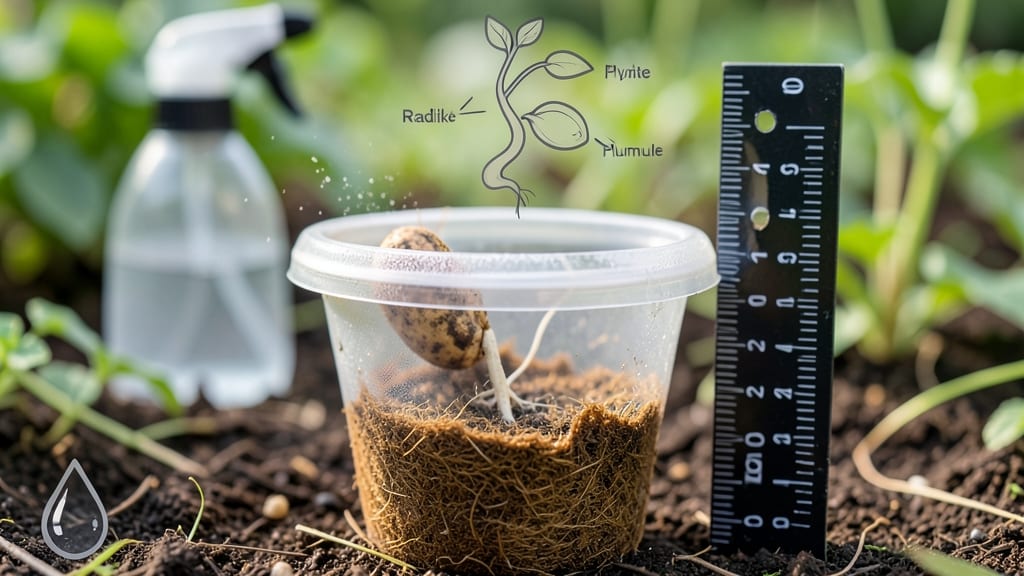
Seed germination definition is when a seed transforms from a dormant state into a tiny plant—like magic, but with science. 🌱 The process starts when water wakes up the seed, kicking off a chain reaction that ends with your first green shoot breaking through the soil.
Understanding these stages helps you troubleshoot why some seeds sprout reliably while others sit stubbornly still.
First comes imbibition, where the seed drinks up water like a thirsty traveler at an oasis. This activates enzymes that break down stored food, fueling the next phase: the radicle (the baby root) pushing through the seed coat.
Within days, you’ll see that first white tendril—proof the seed is alive and growing. Fast-germinating seeds like beans pop up in 3-7 days, while slowpokes like tomatoes take 7-14 days.
Temperature, moisture, and even light play critical roles—too hot or cold, and the seed stays asleep. Most veggies thrive at 65-85°F, while cool-season crops like peas prefer 50-65°F. The right soil mix (light, well-draining) prevents rot, while consistent moisture keeps the seed hydrated without drowning it.
Think of it like creating a cozy nest for your seed’s big debut.
Once you grasp these basics, you’ll spot patterns—why your marigold seeds sprout faster than your parsley or how a damp paper towel speeds up germination. This knowledge turns guesswork into predictable success, whether you’re starting a windowsill herb garden or prepping for spring planting.
Let’s break it down step by step.
📚 In This Guide
- What you need
- Instructions
- Tips and common mistakes
- Wrapping up and next steps
What you need
- ● Seeds: Choose high-quality, fresh seeds (check the packet for germination rates—aim for 85%+). Quantity: 5–10 seeds per experiment (for testing).
- ● Growing Medium: Option 1: Paper towels (2–3 sheets per batch) or coffee filters (for minimalist setups).
- ● Option 2: Potting mix (sterile, seed-starting blend; 2–3 cups per container).
- ● Option 3: Vermiculite or coco coir (holds moisture well; 1–2 cups).
- ● Containers: Plastic or glass containers (e.g., takeout boxes, seed trays, or mason jars with lids). Size: Shallow (1–2 inches deep).
- ● Spray bottle (16 oz, with a fine mist nozzle for hydration).
- ● Water: Room-temperature, filtered, or distilled water (avoid tap water with chlorine; 1–2 cups per batch).
- ○ Heat Source (Optional but Helpful): Heating mat (set to 70–85°F for tropical seeds like beans or peppers).
- ● Warm spot (e.g., near a sunny window or on top of a fridge).
- ● Light Source (Post-Germination): Grow lights (LED, 12–16 hours/day) or a south-facing window (bright, indirect light).
- ● Know Your Seed: Research cold stratification (for seeds like apples or maples) or scarification (nick the seed coat for tough shells like peanuts).
- ● Sterilize Tools: Rinse containers and tools with a 1:10 bleach-water solution (let air-dry) to prevent mold. 💡
- ● Label Everything: Use toothpicks + masking tape to mark seed types/dates—trust us, you’ll thank us later! ✨
- ● Patience: Germination times vary wildly (e.g., beans sprout in 3–10 days; orchids take months).
Understanding seed germination: the science behind getting seeds to sprout
Let's break down what germination really means—and how to set your seeds up for success.
🌱 Step 1: Define the Four Key Conditions for Germination
Germination isn't magic—it's a biological process that requires four core elements: water, oxygen, proper temperature, and light (or darkness, depending on the seed). Water activates enzymes that break down stored nutrients in the seed, while oxygen fuels cellular respiration. Most seeds need warmth between 65-75°F to kickstart metabolic activity, though some tropical varieties prefer 80-90°F.
Here's where it gets interesting: some seeds, like tomatoes and peppers, need light to germinate, while others, like parsley and foxglove, sprout better in darkness. Check your seed packet—it tells you exactly what your specific seeds need. Without these conditions, the seed stays dormant, sometimes for years.
💧 Step 2: Explain the Three Stages of Germination (With What to Watch For)
Germination unfolds in three distinct stages. First comes imbibition, where the seed absorbs water and swells—you'll notice this when the seed coat softens and may even split slightly. Next is activation, where enzymes mobilize stored nutrients, and you'll see the radicle (the embryonic root) emerge first, pushing downward. This is your first visual cue that germination has begun.
The final stage is seedling emergence, when the hypocotyl (the stem) elongates and pulls the cotyledons (seed leaves) above soil. This is the moment you've been waiting for—watch for first true leaves to appear within 7-14 days after the radicle breaks through. If your seeds haven't sprouted by 2-3 weeks, they may need warmer conditions or more moisture.
☀️ Step 3: Debunk Common Germination Myths (And What Actually Works)
Contrary to popular belief, soaking seeds overnight doesn't speed up germination—it can actually rot them if left too long. Instead, a 12-hour soak in lukewarm water softens the seed coat for seeds like chives or parsley, which have tough outer layers. Another myth is that "more water = better germination." Overwatering suffocates seeds by blocking oxygen—keep the soil evenly moist but never soggy. You'll know it's right when the surface feels damp but not glistening.
Light is another hot topic. While seedlings need light to grow, most seeds germinate best in darkness. That's why I cover seed trays with a humidity dome or bury them ½ inch deep—they'll still find their way upward once they've broken through. Only expose them to light after the first true leaves appear, or you risk weak, leggy seedlings reaching for the surface too soon.
⏰ Step 4: Troubleshoot When Germination Stalls (And How to Fix It)
If your seeds aren't sprouting, temperature is usually the culprit. Most garden seeds germinate best between 65-75°F, but cool-season crops like lettuce prefer 55-65°F. Place a seedling heat mat under your trays if your home runs cooler—it adds the extra warmth seeds crave. Another red flag is mold or fuzzy growth on the soil surface, which means your humidity dome is trapping too much moisture. Remove it immediately and let the soil dry slightly between waterings.
Old seeds are another common issue. After 1-2 years, many seeds lose viability—check the packet date. If germination rates drop below 50%, it's time to refresh your seed supply. Store seeds in a cool, dry place (like a sealed jar in the fridge) to extend their shelf life. Real talk: even with perfect conditions, some seeds just take longer—don't give up until you've waited 3-4 weeks past the expected germination time.
Tips & tricks for mastering seed germination
Here's what nobody tells you about getting seeds to sprout like a pro—these are the tricks that'll turn your germination game around.
Temperature Precision: The 65-75°F range is your sweet spot for most seeds, but don't assume your home environment is perfect. Use a seedling heat mat if your space runs cooler, especially for tropical varieties that need 80-90°F. I've seen seeds fail to sprout in rooms that feel comfortable to us—always check with a thermometer.
Light Strategy: Remember how I mentioned some seeds need darkness to germinate? Here's the secret: bury them just ½ inch deep in soil or use a humidity dome to block light. Once you spot the radicle (that first little root), you can uncover them—but wait until you see those first true leaves before moving them to light permanently. Patience here prevents leggy, weak seedlings.
Soaking Secrets: That 12-hour soak for tough seeds like chives? Use lukewarm water—not hot, not cold. And here's the part they skip: after soaking, drain them immediately and plant right away. Seeds left sitting in water for too long will rot before they even get a chance to sprout. Think of it like giving them a quick drink, not a bath.
Visual Cues: During the 7-14 day window for seedling emergence, watch for these telltale signs: the seed coat splitting slightly during imbibition, the radicle pushing downward like a tiny white arrow, and finally the hypocotyl stretching upward. If you don't see the radicle by 2-3 weeks, your conditions might be off—check that temperature and moisture balance again.
Pro Tips for Seed Germination Definition
- Here's what nobody tells you about getting seeds to sprout like a pro—these are the tricks that'll turn your germination game around.
- Temperature Precision: The 65-75°F range is your sweet spot for most seeds, but don't assume your home environment is perfect.
- Light Strategy: Remember how I mentioned some seeds need darkness to germinate?
Frequently asked questions
Got questions about seed germination? You’re not alone! Here are answers to the most common queries—whether you’re a beginner gardener or just curious about the science behind sprouting seeds.
What’s the fastest way to germinate seeds?
Speed depends on the seed type, but warmth, moisture, and darkness are key. Soak seeds overnight (for hard shells like chia), use a heat mat (70–85°F), and keep them in a damp paper towel or peat pellet. Some seeds—like radishes—sprout in 3–7 days, while others (like beans) take 7–14 days. Patience pays off!
How long can seeds stay viable before germination?
Seed viability varies wildly! Most last 1–5 years if stored properly (cool, dry, dark). Check the packet for specifics—some, like tomato or pepper seeds, may only stay fresh for 1–2 years, while onion or beet seeds can last up to 5 years. Test old seeds by floating them in water (sinkers = good; floaters = toss them).
Why won’t my seeds sprout? Troubleshooting tips!
Seeds fail to sprout for a few common reasons:
- Too cold or dry: Use a seedling heat mat or move pots to a warmer spot.
- Too wet or moldy: Ensure pots have drainage holes and avoid overwatering.
- Old seeds: Test germination rate or buy fresh seeds.
- Depth issues: Plant shallow (1–2x seed width) unless specified otherwise.
Can I germinate seeds without soil?
Try these soil-free methods:
- Paper towel method: Dampen a towel, sandwich seeds between two, and place in a sealed bag. Check daily for sprouts.
- Peat pellets: Soak pellets, plant seeds, and pop them into a tray.
- Jars with cotton: Layer cotton in a jar, mist with water, and place seeds on top.
What’s the ideal temperature for germination?
Most seeds thrive between 65–75°F, but some need extremes:
- Cool-loving seeds (lettuce, cabbage): 60–65°F
- Warm-loving seeds (peppers, cucumbers): 75–85°F
- Tropical seeds (avocado, mango): 80–90°F
Wrapping up and next steps
Understanding seed germination definition unlocks the magic of turning tiny seeds into thriving plants! 🌱 Whether you're a seasoned gardener or just starting, the science behind it is your secret weapon for success.
Now that you know the key factors—like moisture, temperature, and light—it’s time to grab those seeds and get growing!
Ready to take the next step? Experiment with different seeds, track their progress, and refine your technique. Every sprouted seed is a victory—so don’t wait! Plant that first seed today and watch your green thumb grow stronger. 🌿