
Lawn
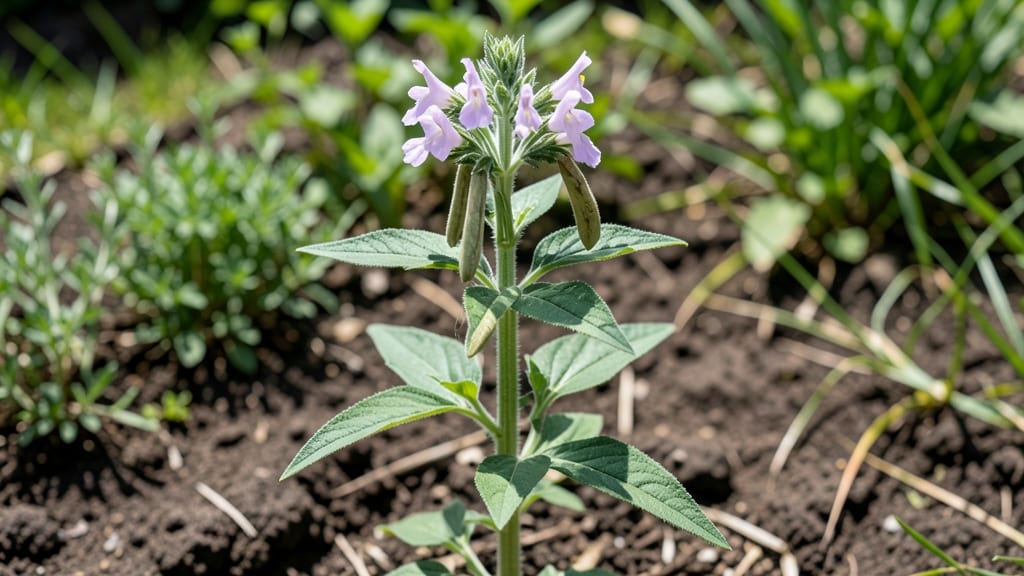
Mastering sesame seed growth with zero-twist pods means no more stubbornly clinging seeds at harvest. 🌱 I learned the hard way—last season’s sesame pods were a tangled mess, but this method keeps them clean and easy to collect.
The secret lies in soil warmth, consistent moisture, and a little patience during those early weeks when roots are still finding their footing.
Start with well-draining soil that’s warm—sesame thrives in temperatures above 75°F, so wait until after your last frost or use black plastic mulch to heat the soil faster.
Plant seeds ½ inch deep, spaced 6 inches apart, in rows 18 inches apart to give plants room to stretch toward the sun. They’re warm-season babies, so don’t rush—cold soil slows germination to a crawl.
Water deeply but infrequently—sesame hates soggy roots. Aim for 1 inch of water per week, letting the top inch of soil dry between waterings.
Within 4-6 weeks, you’ll see those first true leaves unfurl, and by 8-10 weeks, you’ll spot tiny white flowers that’ll turn into the pods you’re growing them for. The key? Never let the soil dry out completely during flowering.
Here’s the game-changer: when pods start turning yellow and splitting, harvest them every 2-3 days to prevent twisting. Lay them in a single layer to dry in the sun—no more tangled messes, just clean, easy-to-open pods.
Even in cooler climates, a 4-5 month growing season is enough for a full harvest if you start early.
📚 In This Guide
- What you need
- Instructions
- Tips and common mistakes
- Wrapping up and next steps
What you need
- ● Sesame seeds: Choose certified organic or heirloom varieties (e.g., Sesamum indicum). Start with 1–2 pounds of seeds for a small garden plot (about 100 sq. ft.).
- ● Well-draining soil: Sesame thrives in sandy loam soil with a pH of 6.0–7.5. Mix in compost or aged manure (1–2 gallons per 10 sq. ft.) for nutrients.
- ● Sunlight: Full sun exposure (6–8 hours daily) is a must!
- ● Water: A garden hose with a gentle spray nozzle or a drip irrigation system (sesame is drought-tolerant but needs consistent moisture during germination).
- ● Garden trowel or transplanter: For sowing seeds ½ inch deep and spacing them 6–12 inches apart.
- ○ Row marker or string: Helps maintain straight rows (optional but handy for larger plots).
- ● Pruners or scissors: For trimming dead foliage or harvesting pods.
- ● Harvesting basket or bucket: A mesh bag or breathable container to avoid crushing pods.
- ● Mulch (straw or grass clippings): Retains moisture and suppresses weeds.
- ● Fertilizer (low-nitrogen, high-phosphorus): Use a 5-10-10 NPK ratio sparingly (sesame is light on nutrients).
- ● Shade cloth: Protects seedlings from intense heat if growing in hot climates.
- ● Journal or app: Track planting dates, watering schedules, and growth stages for zero-twist pod optimization!
Step-by-step guide to growing sesame plants for zero-twist pods
Sesame thrives with minimal fuss—here’s how to coax those prized pods into opening naturally for easy harvesting.
🌱 Step 1: Select and Prepare the Right Soil and Location
Sesame plants demand well-draining soil with a pH between 6.0 and 7.5. Mix 2 parts sandy loam with 1 part compost to create a loose, airy growing medium that prevents root rot. I like to add a handful of perlite to the mix—this ensures excess moisture drains quickly, which sesame hates.
Choose a spot with full sun exposure (6-8 hours daily). Sesame is heat-loving and won’t tolerate shade. If growing in containers, ensure pots are at least 12 inches deep—shallow roots need room to stretch. Water the soil lightly before planting to settle it without compacting.
☀️ Step 2: Plant Seeds at the Correct Depth and Spacing
Sesame seeds are tiny, so I use a toothpick to create small holes—about ½ inch deep and 1 inch apart. Drop 2-3 seeds per hole (they germinate unevenly) and cover with a thin layer of soil. Press gently to ensure good seed-to-soil contact, but don’t pack it down.
Space rows 18 inches apart to allow airflow, which prevents fungal diseases. Sesame plants grow 2-3 feet tall, so give them room to stand upright without crowding. Water lightly after planting—just enough to moisten the soil surface—but avoid soaking the seeds, which can cause rot.
💧 Step 3: Maintain Consistent Moisture Without Overwatering
Sesame plants are drought-tolerant once established, but keep soil evenly moist during the first 4-6 weeks after germination. Water deeply every 2-3 days until the top 1 inch of soil feels dry to the touch. Overwatering leads to twisted pods—the exact problem we’re avoiding.
Reduce watering as plants mature—once a week is often enough in hot climates. Watch for yellowing leaves, a sign of overwatering, or wilting in the afternoon, which means it’s thirsty. Sesame thrives in dry heat, so let the soil dry slightly between waterings to encourage strong root development.
✂️ Step 4: Prune and Support for Straight, Pod-Free Stems
When sesame plants reach 12 inches tall, pinch off the top set of leaves to encourage bushier growth. This prevents leggy stems and ensures more pods form along the main stalk. I also remove any yellow or diseased leaves immediately—they sap energy from the plant.
As plants grow taller, use soft stakes or small cages to support them if they lean. Sesame pods twist naturally when stressed, but proper support keeps stems straight. Avoid heavy pruning—just remove dead or damaged growth. The goal is to let the plant focus its energy on pod development, not recovery.
⏰ Step 5: Harvest at Peak Maturity for Zero-Twist Pods
Sesame pods are ready when they turn light brown and dry—usually 90-120 days after planting. Gently twist the pods by hand; they should release seeds easily if mature. Harvest in the morning when humidity is low to prevent mold. Spread pods on a clean towel in a dry, shaded area to dry completely for 2-3 days before storage.
If pods twist prematurely, it’s a sign of uneven watering or stress. To prevent this, maintain consistent moisture and avoid sudden temperature swings. Store dried seeds in an airtight container in a cool, dark place—they’ll keep for up to 6 months without losing potency.
Tips & tricks for perfect sesame seed growth
These practical strategies will help you cultivate straight, healthy sesame plants that yield perfectly formed pods every time.
Soil Preparation: The sandy loam and compost mix is crucial—don't skip the perlite! This combination creates the ideal airy texture that sesame roots crave. I like to sift the soil mixture through a fine mesh screen to eliminate any large clumps that could impede drainage. For container growing, mix in an extra handful of perlite to prevent compaction, which sesame plants absolutely hate. The goal is to mimic their natural sandy soil habitat where they thrive.
Planting Precision: When creating those ½-inch-deep holes with your toothpick, aim for perfect spacing—1 inch between seeds and 18 inches between rows. This might seem fussy, but it prevents crowding that leads to fungal issues. I've found that using a small ruler marked in inches helps maintain consistency, especially when planting multiple rows. The extra space gives plants room to develop strong stems without competing for nutrients.
Watering Wisdom: The 4-6 week moisture window is critical—this is when sesame plants establish their root systems. Use your finger to check soil moisture at the 1-inch depth mentioned in the instructions. If it feels dry, water deeply until moisture reaches 2 inches down. For container growers, I recommend using a moisture meter to avoid guesswork. The key is to keep roots hydrated but never soggy during this vulnerable early stage.
Harvest Timing: Those 90-120 days to maturity can feel like forever, but patience pays off. I harvest first thing in the morning when pods are dry and dew-free. This prevents moisture from accelerating mold growth during the crucial 2-3 day drying period. Spread pods on a clean towel in a well-ventilated area—never in direct sunlight, which can cause them to over-dry and crack. The perfect drying spot should feel slightly humid but completely shaded.
Pro Tips for Sesame Seed Growth
- These practical strategies will help you cultivate straight, healthy sesame plants that yield perfectly formed pods e...
- Soil Preparation: The sandy loam and compost mix is crucial—don't skip the perlite! This combination creates the idea...
- Planting Precision: When creating those ½-inch-deep holes with your toothpick, aim for perfect spacing—1 inch between...
Frequently asked questions
Got questions about growing sesame seeds with zero-twist pods? Here are some common ones—and their answers—to help you get started!
How long does it take for sesame seeds to grow from seed to harvest?
Sesame seeds typically reach maturity in 70 to 90 days after planting, depending on the variety and growing conditions. Zero-twist pods can speed up harvesting by preventing premature seed drop, but watch for brown, dry pods as a sign they’re ready to pick!
What’s the best climate for growing sesame seeds?
Sesame thrives in warm climates with temperatures between 70–90°F (21–32°C). They’re sensitive to frost, so plant after the last frost date in spring or opt for a greenhouse if you live in cooler regions. Zero-twist varieties may tolerate slight variations but still prefer long, sunny days.
Can I grow sesame seeds in containers or small spaces?
Yes! Sesame seeds grow well in containers at least 12 inches deep with good drainage. Use a lightweight potting mix and place them in a sunny spot. Just ensure they have 6+ hours of sunlight daily—they’re compact but still need space to spread. Zero-twist pods won’t change container needs, but they’ll make harvesting easier!
Why are my sesame pods twisting or not opening?
Twisting pods are often caused by overcrowding, uneven watering, or nutrient deficiencies. Zero-twist varieties resist this, but if you notice issues, thin plants to 12–18 inches apart and ensure consistent moisture. Dry heat at maturity helps pods open naturally—just avoid excessive humidity before harvest.
Are there alternatives to sesame seeds for easy harvesting?
If sesame isn’t your style, try sunflower, amaranth, or quinoa—all have minimal pod twisting and are great for home gardens. For true zero-twist traits, research heirloom varieties like ‘Black Sesame’ or hybrid strains bred for stability. Just check your region’s growing zone first!
Wrapping up and next steps
Growing sesame seeds with zero-twist pods isn’t just rewarding—it’s effortless once you know the tricks! 🌱 From selecting the right soil to mastering the harvest, every step simplifies the process while ensuring a bountiful yield.
Whether you’re a seasoned gardener or just starting out, these tips make sesame seed growth accessible and fun.
Now that you’re equipped with the know-how, take the next step—plant your seeds and watch your lawn or garden transform! Share your progress with fellow green thumbs or experiment with different varieties. Happy growing! 🌿