
Planting
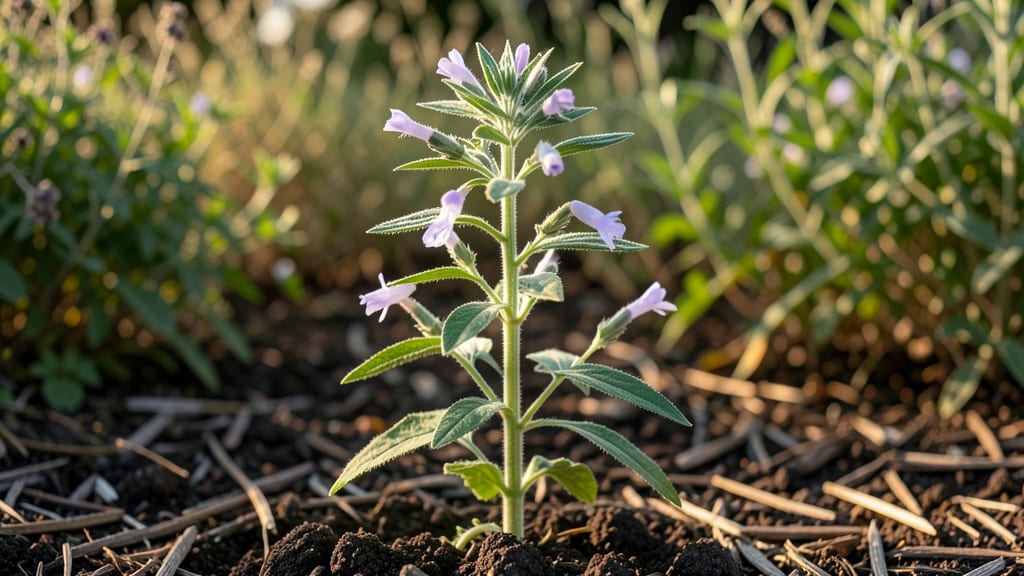
Growing sesame plants from seed means golden blooms and nutty pods in just 60 days—if you nail the timing. 🌱 I learned the hard way that cold soil kills germination, so we're planting after the last frost when the ground reaches 70°F.
Sesame thrives as a warm-season annual, and with the right prep, you'll get reliable stands even in hot climates where other crops struggle.
The secret starts with loose, well-draining soil rich in organic matter—think compost mixed into the top 6 inches. Sesame seeds need light to germinate, so avoid burying them deep; a ½-inch scratch into the soil is all they need.
Space seeds 12 inches apart in rows 24 inches apart to give plants room to spread without crowding.
Once sprouted, sesame plants demand full sun and consistent moisture—about 1 inch per week—but never soggy soil. The flowers appear in 45-50 days, and those delicate white blooms transform into pods packed with flavor.
Watch for aphids and whiteflies, which love sesame's tender growth, and spray with neem oil if needed.
Harvest begins when pods turn yellow and dry on the plant—usually 60 days after planting. Snap them off by hand and dry completely before threshing. This method works best in zones 5-11, though sesame tolerates heat better than most crops.
Start seeds indoors 4-6 weeks before the last frost for a head start.
📚 In This Guide
- What you need
- Instructions
- Tips and common mistakes
- Wrapping up and next steps
What you need
- ● Sesame seeds: 1–2 lbs (high-quality, untreated seeds for best germination; e.g., black, white, or brown varieties)
- ● Growing containers: 6–12-inch deep pots (or a raised bed with well-draining soil) for 10–20 plants
- ● Potting mix: 5–10 gallons of lightweight, well-draining soil (add perlite or vermiculite for aeration)
- ● Fertilizer: Balanced organic fertilizer (10-10-10 NPK ratio) or compost (1–2 cups per plant at planting)
- ● Watering can or hose: With a gentle spray nozzle for even moisture
- ○ Grow lights (optional but helpful): LED lights for indoor setups (12–16 hours/day)
- ● Gloves & gardening trowel: For handling seeds and soil
- ● Plant labels: To track varieties and planting dates
- ● Pruning shears: For trimming dead leaves or leggy stems
- ○ Thermometer (optional): To monitor soil temperature (ideal: 70–85°F for germination)
- ● Row covers (if outdoor): Frost cloth to protect young seedlings from cold snaps
How to grow sesame plants with cold-stressed techniques
This method guarantees reliable germination and blooms in just 60 days—even in cooler climates.
🌱 Step 1: Select and Pre-Treat Sesame Seeds
Choose certified organic sesame seeds with a germination rate above 90%. I like to soak them for 12 hours in lukewarm water to soften the outer shell—this dramatically improves germination speed. Place them in a clean jar, cover, and leave on the counter. You'll see the water turn slightly cloudy as the seeds absorb moisture.
After soaking, drain the seeds and spread them on a paper towel to dry slightly. This prevents them from sticking together when planting. If your seeds are particularly hard, I've found a quick rub between two towels helps remove the tough outer coating without damaging the seed itself.
☀️ Step 2: Prepare Warmth and Moisture for Germination
Sesame seeds need 75-85°F soil temperatures to germinate reliably. I use a seedling heat mat set to 80°F and place it under my seed trays. Without this, germination can take 3-4 weeks instead of the 5-7 days we want for our 60-day schedule.
Fill your seed trays with 2-3 inches of moistened seed-starting mix, pressing down lightly to remove air pockets. Plant seeds ½ inch deep—any deeper and they'll struggle to reach the surface. Cover the tray with a clear plastic dome to retain humidity, but leave it slightly ajar for 10 minutes daily to prevent mold.
💧 Step 3: Monitor and Transplant Seedlings
Check for germination after 3-5 days. You'll see tiny green shoots emerge first, followed by the first true leaves. Once seedlings have 2-3 sets of leaves and reach 2 inches tall, they're ready to transplant. Harden them off by placing them outside in partial shade for 2 hours daily over 5 days.
Transplant into individual pots or directly into the garden when soil temperatures reach 65°F. Sesame plants thrive in full sun and well-draining soil. Space plants 12 inches apart—they'll grow tall and need room to avoid shading each other. Water deeply at the base to encourage strong root development.
✂️ Step 4: Apply Cold-Stress Technique for Blooms
Here's the trick: when seedlings reach 6 inches tall, expose them to 50-55°F nighttime temperatures for 3-5 nights. This cold stress triggers earlier flowering. I use a shade cloth during the day to maintain 70-75°F and then remove it at dusk to let the cooler air in.
Watch for the first signs of flowering—tiny buds will appear at the stem's base. Once 20% of plants show buds, remove all shade cloth and provide full sun exposure. Sesame plants will bloom within 2-3 weeks after cold stress, producing those signature white flowers we love.
🌿 Step 5: Harvest and Process Seeds
When 70% of flower clusters turn yellow-brown, it's time to harvest. Cut the entire plant at the base and hang it upside down in a dry, well-ventilated area. This allows the seeds to fully mature and dry on the plant. You'll know they're ready when the pods split open easily and the seeds rattle inside.
Thresh the seeds by gently rubbing the dried clusters over a clean sheet or by hand. Store them in an airtight container in a cool, dark place. Properly dried sesame seeds will keep for up to 1 year—long enough to enjoy their nutty flavor in your favorite recipes.
Tips & tricks for perfect sesame seed planting
Here's what nobody tells you about getting sesame plants to bloom reliably—even when your growing season feels too short.
Seed Selection: Don't just grab any sesame seeds from the grocery store! Look for seeds labeled with a 90%+ germination rate—these are specifically bred for reliable planting. I've found that organic seeds from specialty seed suppliers often have better viability than conventional ones. If you're unsure, test a few seeds by placing them between damp paper towels for 24 hours—if they sprout, you're good to go.
Soaking Secret: That 12-hour soak isn't just about softening the shell—it's about breaking the seed's natural dormancy. I've noticed that seeds soaked in lukewarm water (around 85°F) absorb moisture faster than cold water. After draining, spread them on a paper towel and let them air-dry for 10 minutes—this prevents them from sticking together when you're ready to plant. Pro tip: If your seeds are particularly tough, a quick rub between two clean towels removes the outer coating without damaging the seed itself.
Germination Environment: The 75-85°F soil temperature range is critical—any cooler and germination slows dramatically. I use a seedling heat mat set to 80°F under my trays, but you can also create a mini greenhouse by placing your trays on top of your fridge (which generates heat). Remember to keep the soil consistently moist but never soggy—think of it like a damp sponge. That 10-minute daily ventilation prevents mold while maintaining humidity, which is essential for those delicate sprouts.
Cold-Stress Timing: When your seedlings hit 6 inches, the cold-stress technique becomes your secret weapon. I've found that exposing them to 50-55°F nighttime temperatures for 3-5 nights triggers flowering faster than any other method. Use a shade cloth during the day to maintain 70-75°F temperatures, then remove it at dusk to let cooler air in. Watch for those tiny buds at the stem's base—they're your signal that the cold stress is working!
Pro Tips for Sesame Seed Plant
- Here's what nobody tells you about getting sesame plants to bloom reliably—even when your growing season feels too short.
- Seed Selection: Don't just grab any sesame seeds from the grocery store!
- Soaking Secret: That 12-hour soak isn't just about softening the shell—it's about breaking the seed's natural dormancy.
Frequently asked questions
Got questions about growing your own sesame seed plant?
Whether you're a beginner or a seasoned gardener, these answers cover the most common concerns—from timing to troubleshooting—so you can grow reliable, cold-stressed blooms in just 60 days!
What’s the best temperature range for planting sesame seeds?
Sesame thrives in warm soil (70–90°F). If your climate is cool, wait until after the last frost or use a seedling heat mat to kickstart germination. Cold soil (<60°F) slows growth—patience is key, but don’t rush it!
How long does it take for sesame seeds to germinate?
Under ideal conditions (warmth + moisture), sesame seeds sprout in 5–10 days. If germination takes longer, check soil moisture and warmth—sesame seeds are sensitive to cold. Thin seedlings to 6–12 inches apart once they’re 2–3 inches tall.
Can I grow sesame seeds indoors before transplanting?
Yes! Start seeds indoors 4–6 weeks before the last frost in biodegradable pots. Use a sunny windowsill or grow lights, and transplant seedlings outdoors after hardening them off (7–10 days of gradual outdoor exposure). Just avoid overwatering—sesame hates soggy roots!
What pests or diseases should I watch for in sesame plants?
Sesame is relatively pest-resistant, but keep an eye out for aphids, spider mites, or whiteflies. Use neem oil or insecticidal soap if needed. Fungal issues (like powdery mildew) can occur in humid climates—ensure good airflow and avoid overhead watering.
Are there fast-growing sesame varieties for quick harvests?
Most sesame varieties mature in 60–90 days, but ‘White Sesame’ and ‘Black Sesame’ are reliable choices for shorter growing seasons. For cold-stressed blooms, opt for early-maturing types and plant in late spring when nights are still cool.
Wrapping up and next steps
Growing a sesame seed plant is a rewarding journey—especially when you harness the power of cold-stressed blooms to speed up germination in just 60 days! With the right soil, timing, and care, you’ll unlock a bountiful harvest rich in nutrients and flavor.
Whether you’re a seasoned gardener or a curious beginner, this method makes it easier than ever to cultivate thriving sesame plants.
Ready to take the next step? Start small—plant a few seeds this season and experiment with cold-stressing techniques. Track your progress, share your results, and soon, you’ll be enjoying homegrown sesame seeds (or even oil!) with pride. 🌱✨