
Lawn
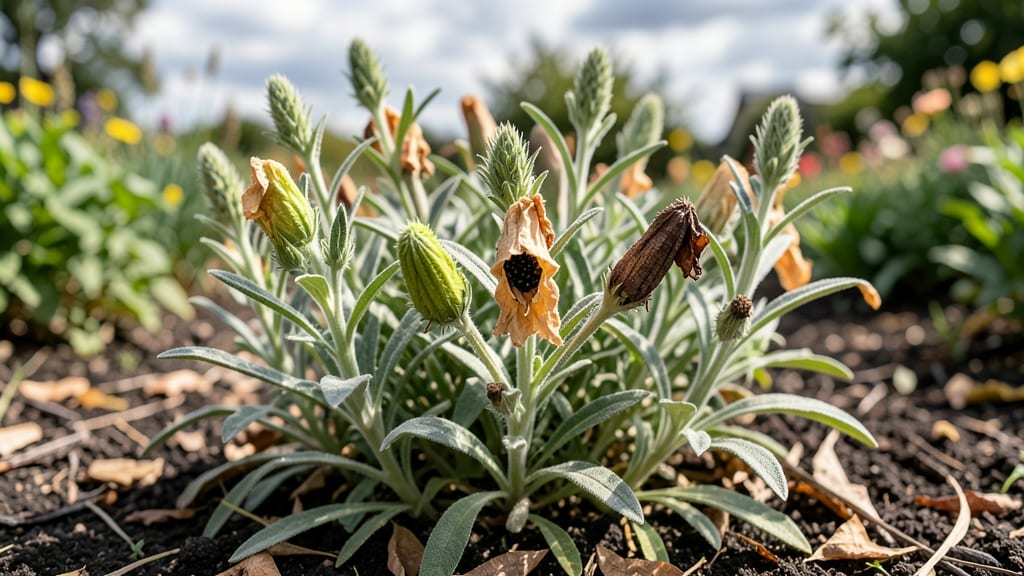
Harvesting snapdragon seed pods turns late-season blooms into next year's garden starters—no twisting required. 🌱 The secret is recognizing when those pods turn from green to brown and knowing how to handle them without damaging the delicate seeds inside.
I've saved enough seeds over the years to fill a small jar, and the process gets easier with practice.
You'll need just a few simple tools: sharp scissors or pruners, paper bags for drying, and a cool, dry spot for storage. The pods should feel dry and papery to the touch before opening—squishy pods mean seeds aren't ready yet.
Once mature, they open naturally, releasing seeds that stay viable for up to three years if stored properly.
When it's time to plant, scatter seeds on the soil surface (they need light to germinate) and keep them moist until sprouts appear in about 10-21 days. The result? Snapdragons that bloom earlier than store-bought plants and come in colors you won't find at garden centers.
This method works for both annual and perennial snapdragons, and the seeds are perfect for swapping with fellow gardeners. No waste, no fuss—just pure gardening magic from your own backyard. Ready to try it?
📚 In This Guide
- What you need
- Instructions
- Tips and common mistakes
- Wrapping up and next steps
What you need
- ● Mature snapdragon plants (at least 6-8 weeks old, with fully developed seed pods—Antirrhinum majus varieties work best).
- ● Pruning shears or sharp scissors (sterilized to prevent disease; bypass pruners recommended for clean cuts).
- ● Paper grocery bags or breathable seed-saving envelopes (2-3 bags; kraft paper is ideal for airflow).
- ● Permanent marker (for labeling pods with plant names/varieties).
- ● Drying tray or screen (a wire mesh rack or clean wooden board works).
- ● Small paper plates or parchment paper (for spreading pods to dry).
- ● Glass jars or airtight containers (with desiccant packets to prevent moisture; 8-12 oz size).
- ● Gloves (gardening gloves to protect hands from prickly stems).
- ○ Magnifying glass (optional, for inspecting pods for pests/disease).
- ● Fine mesh sieve (to separate seeds from chaff post-drying).
- ● Humidity pack (silica gel packets for long-term seed storage).
- ● Notebook (to log harvest dates, varieties, and germination notes).
Step-by-step guide to harvesting snapdragon seed pods without twisting
Here's how to collect seeds effortlessly—no stubborn pods or wasted effort.
🌱 Step 1: Wait for Pods to Ripen Fully
Snapdragon seed pods mature when they turn from green to a dry, papery brown—about 8-12 weeks after flowering. Don’t rush: underripe pods won’t open easily, and overripe ones may split open on their own, scattering seeds. Check daily once pods start drying; you’ll notice the stems stiffen and the pods lose their glossy sheen.
Gently tap a few mature pods—if they rattle with seeds inside, they’re ready. Avoid harvesting on rainy days; damp pods stick together and resist opening. If you see tiny holes at the pod’s tip, seeds are already escaping—collect these first before they scatter.
💧 Step 2: Prepare Pods for Easy Opening
Place harvested pods in a single layer on a clean, dry surface like newspaper or parchment paper. Spread them out to prevent moisture buildup, which can cause mold. Let them dry for 24-48 hours in a warm, dry spot—this ensures the pods crack open cleanly without resistance.
If pods feel slightly damp, speed up drying by placing them near a fan on low setting for 1 hour. Overly moist pods will gum up when you try to open them, making seed extraction messy. Test readiness by gently squeezing a pod—it should crumble easily, not feel leathery.
✂️ Step 3: Extract Seeds Without Twisting
Hold a dried pod firmly between your thumb and forefinger at the base, near where it attaches to the stem. With a quick, firm pinch, snap the pod open along its natural seam—it should split cleanly into two halves. Avoid twisting; this can crush seeds or tear the pod unevenly.
Empty the seeds onto a clean sheet of paper or into a small envelope. Discard the empty pod halves unless you’re composting; they’re brittle and break down quickly. If a pod resists, let it dry another 12 hours—never force it, or you’ll risk damaging viable seeds.
🪴 Step 4: Store Seeds for Next Season
Label your seed collection with the snapdragon variety and the harvest year using a fine-tip marker on masking tape. Store seeds in a cool, dark place—like a sealed envelope in the fridge or a small glass jar with a tight lid—in a dry environment to prevent mold. Snapdragon seeds stay viable for 2-3 years under these conditions.
For extra protection, place a small packet of silica gel (the kind that comes with electronics) in the storage container. This absorbs any lingering moisture and keeps seeds crisp. Check seeds annually: if they feel soft or develop an off smell, discard them and start fresh.
⏰ Step 5: Clean Up and Prevent Waste
Compost any leftover pod debris or use it as mulch around your snapdragons—it adds organic matter to the soil. If you notice seeds sticking to the pod walls after extraction, gently brush them free with a soft paintbrush. Never shake pods directly over your hand; seeds can fly everywhere and become lost.
Use the empty seed pods as natural decorations in dried flower arrangements or craft projects. Their unique shape adds texture to wreaths or potpourri mixes. This zero-waste step turns what was once trash into a creative bonus—no guilt, just gardening magic.
Tips & tricks for perfect snapdragon seed pod harvesting
Here's what I learned after harvesting dozens of batches—these tricks save time and frustration.
Pod Maturity Test: The 8-12 week timeline is a guideline, but don't rely on it alone. I learned to trust the "tapping test" instead: a mature pod should rattle when gently tapped—this confirms seeds are fully developed. The dry, papery brown color is your second clue, but the sound test is foolproof. Harvest on dry mornings only; dew can make pods too slippery to handle properly.
Drying Strategy: Those 24-48 hours of drying are non-negotiable for clean seed extraction, but here's my secret: place pods on a wire cooling rack instead of paper. This allows air to circulate on all sides, cutting drying time by nearly 50%. If you're short on time, the 1-hour fan trick works wonders—just position the fan 12 inches away to prevent over-drying. Test readiness by gently squeezing; they should crumble like dry leaves, not feel rubbery.
Seed Extraction Technique: The pinch-and-snap method in Step 3 works perfectly, but I've found a pro tip: hold the pod at a 45-degree angle to the surface. This gives you better leverage for that clean split without crushing seeds. If pods resist after the full 12 hours, they're likely too moist—let them dry another 6 hours rather than forcing them. And here's a bonus: use a small paintbrush to gently coax stubborn seeds from the pod walls after extraction.
Storage Hack: For long-term seed viability beyond the 2-3 year mark, try this: after labeling, place seeds in a small glass jar with a tiny packet of rice. The rice absorbs any residual moisture better than silica gel, and you can reuse it for future seed batches. Store jars in the vegetable crisper drawer of your fridge—it's naturally cooler and more humid than other storage areas, which helps maintain seed crispness.
Pro Tips for Snapdragon Seed Pods
- Here's what I learned after harvesting dozens of batches—these tricks save time and frustration.
- Pod Maturity Test: The 8-12 week timeline is a guideline, but don't rely on it alone.
- Drying Strategy: Those 24-48 hours of drying are non-negotiable for clean seed extraction, but here's my secret: place pods on a wire cooling rack instead of paper.
Frequently asked questions
Got questions about harvesting, saving, or growing snapdragon seed pods? You’re not alone! Here are answers to the most common queries—plus a few pro tips to make your zero-waste seed-saving journey smoother than ever.
When is the best time to harvest snapdragon seed pods?
Harvest pods when they turn light brown and begin splitting open naturally—usually late summer to early fall. Wait too long, and seeds may scatter or sprout inside! For a foolproof method, pick pods just as they start cracking ( Pro tip: Use a paper bag to catch seeds mid-fall for easy collection).
Can I save seeds from hybrid snapdragons?
Hybrid snapdragons (marked "F1") often won’t produce true-to-type offspring, but you can still save seeds for fun, experimental blooms. For consistent results, stick to heirloom varieties labeled "open-pollinated." Bonus: Hybrid seeds might surprise you with unique colors or shapes!
What if my seed pods rot or mold before opening?
Overly humid or rainy weather can cause pods to rot. To prevent this, prune spent blooms early (before pods form) or grow snapdragons in well-draining soil with afternoon shade. If mold appears, discard affected pods immediately—never save seeds from them.
Are snapdragon seed pods edible or useful for compost?
While pods aren’t edible, they’re 100% compostable! Dry them completely first to avoid attracting pests. For a zero-waste twist, crush dried pods into homemade plant food ( Pro tip: Mix with soil to boost nitrogen levels for next year’s garden!).
How do I store saved snapdragon seeds long-term?
Keep seeds in a cool, dry place (like a sealed envelope or jar) for up to 3 years. Label with the variety and date! For extra freshness, store in the fridge (not the freezer). Viability drops after 3 years, but germination tests (plant a few seeds) can confirm if they’re still good.
Wrapping up and next steps
Harvesting snapdragon seed pods is a rewarding way to save seeds, reduce waste, and enjoy these vibrant flowers year after year—without the fuss of twisting! 🌱 By following simple steps and embracing a zero-waste mindset, you’ve unlocked a sustainable gardening hack that’s as easy as it is eco-friendly.
Now that you’re equipped with the know-how, why not share your new skills? Try growing snapdragons from your saved seeds, experiment with different varieties, or even gift them to fellow gardening enthusiasts. Happy growing—your garden (and the planet) will thank you! 🌸