
Lawn
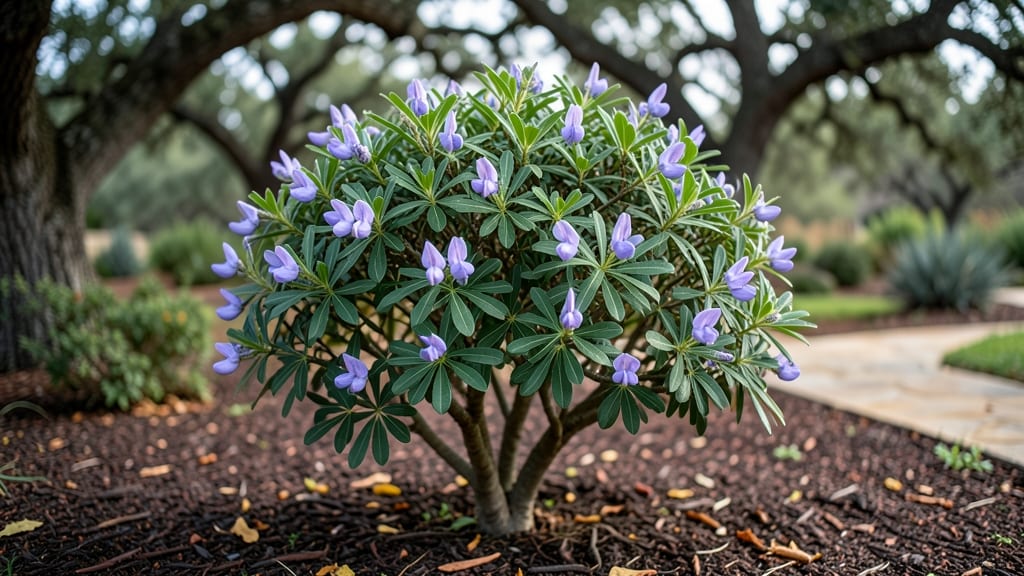
Harvesting Texas mountain laurel seed pods without the frustrating twists is easier than you think—just wait for the pods to turn brown and split open naturally. 🌿 I’ve spent years collecting these seeds, and the key is patience: the best time is late summer or early fall when the pods are dry but still intact.
These seeds are a game-changer for native gardens, offering drought tolerance and stunning purple blooms that attract pollinators.
The process starts with a simple tool—a pair of gloves and a bucket—to collect the seeds without damaging the plant.
Once you’ve gathered them, you’ll need to break the hard seed coat through scarification, either by nicking the seeds with a knife or soaking them in warm water for 24 hours. This step mimics natural weathering and tricks the seeds into germinating faster, saving you months of waiting.
Plant the scarified seeds in well-draining soil, about a quarter-inch deep, and keep them moist but not soggy. Germination can take anywhere from a few weeks to several months, so don’t be discouraged if you don’t see sprouts right away.
Once they do appear, give them plenty of sunlight and minimal watering—they’re tough little plants that thrive in Texas heat once established.
This method works beautifully for native landscapes, rain gardens, or even container growing. The payoff? A low-maintenance shrub that flourishes where many others fail, with minimal effort once you’ve cracked the seed dormancy code. Ready to grow your own Texas mountain laurel?
📚 In This Guide
- What you need
- Instructions
- Tips and common mistakes
- Wrapping up and next steps
What you need
- ● Mature Texas Mountain Laurel seed pods – Look for dry, brown pods (they’ll rattle when shaken). Aim for 5–10 pods per harvest, depending on your project goals.
- ● Pruning shears or sharp scissors – Bypass pruners (6–8” blades) work best for clean cuts. Avoid dull tools to prevent crushing pods.
- ● Thick gloves – Leather or heavy-duty gardening gloves to protect against toxic sap (the pods contain cyanogenic glycosides—handle with care!).
- ● Paper grocery bags or breathable mesh bags – 2–3 bags to collect pods without crushing them. Avoid plastic (it traps moisture).
- ● Newspaper or cardboard – For a drying surface (if processing pods indoors). Use a 12”x18” sheet or larger.
- ● Small paintbrush or soft-bristle brush – For gently dislodging seeds from pods after drying.
- ○ Pencil or chopstick – To pry open stubborn pods (optional but helpful!).
- ● Seed tray or shallow container – For organizing seeds post-harvest (e.g., egg carton or muffin tin).
- ● Rubbing alcohol (70% isopropyl) – To sterilize tools between uses (prevents mold/mildew).
- ● Labeling tags & permanent marker – If saving seeds for long-term storage (write the date!).
- ● Camera or phone – To document your progress (because these pods are gorgeous!).
How to harvest Texas Mountain Laurel seed pods without the twist struggles
Here's the simple method I use to collect seed pods without the frustrating tangles or broken branches.
🌿 Step 1: Time Your Harvest for Maximum Yield
Wait until the seed pods turn a deep, papery brown—usually in late fall or early winter—when they’ve fully dried on the tree. I check my plants in November each year, as the pods release seeds most reliably after the first frost. Avoid harvesting when pods are green or still slightly moist; they won’t open properly, and seeds won’t be viable.
Look for pods that are completely dry and brittle—they’ll rattle when shaken gently. If you find a few pods that won’t open, leave them on the tree; they’ll release seeds naturally in a few weeks. This ensures you’re only collecting the ones ready for harvest.
✂️ Step 2: Gather Tools and Protect the Tree
Bring a small hand pruner (not too big—these branches are delicate) and a bucket or breathable bag to collect pods. I use a lightweight burlap sack because it lets air circulate, preventing moisture buildup that could mold the seeds. Avoid plastic bags; they trap humidity and ruin the harvest.
Work gently to avoid damaging the tree. Texas Mountain Laurels are slow-growing, and rough handling can stress the plant. Focus on the outermost pods first—they’re the most mature. If a branch is too high, use a foldable pruning saw (if included in your tools) instead of climbing.
🪴 Step 3: Harvest Pods Without Breaking Branches
Hold the pod firmly between your thumb and forefinger, then twist slightly while pulling downward—this mimics how the pod naturally opens. If it resists, don’t force it; instead, use the pruner to snip the stem just above the pod. This prevents the branch from snapping and leaves a clean cut that heals quickly.
Drop pods directly into your collection bag as you go. Avoid piling them on the ground—squirrels and other wildlife will snatch them up before you finish. If you’re working alone, carry a small container to hold pods until you can transfer them to the bag.
💧 Step 4: Process and Store Seeds Properly
Once you’ve collected 4-6 pods (enough for a small batch), spread them on a clean, dry towel in a well-ventilated area. Let them air-dry for 24-48 hours—this ensures any remaining moisture evaporates, preventing mold. I place mine on a sunny windowsill (indirect light only) to speed up the process.
After drying, gently crush the pods with your hands or a small rolling pin to release the seeds. Sift through the debris to separate the seeds, which are hard, dark brown, and slightly flattened. Store them in a paper envelope in a cool, dry place—seeds stay viable for 1-2 years this way.
🌱 Step 5: Plant or Save for Future Use
If you’re ready to plant, sow seeds outdoors in fall or early spring—they need stratification (cold treatment) to germinate. Scatter them on well-draining soil in a partially shaded spot and lightly cover with ¼ inch of soil. Keep the area moist but not soggy until germination, which can take 4-6 weeks.
For seeds you’re not planting immediately, label the envelope with the harvest date—older seeds germinate more slowly. I keep a small notebook nearby to track which trees produced the best pods each year. Over time, you’ll notice some trees yield more reliably than others.
Tips & tricks for stress-free Texas Mountain Laurel seed pod harvesting
Here's how I've learned to make this yearly task easier—after years of tangled branches and broken tools!
Timing Secret: The pods need that first frost in November to fully dry and release seeds easily. If you harvest before the frost, pods may still be tough and resistant. I check pods every few days after the first frost—once they rattle when shaken, they're ready. This timing difference makes all the difference between a frustrating session and a smooth harvest.
Tool Selection: That lightweight burlap sack isn't just about breathability—it's about weight too. I've tried heavier bags that made my arms ache after just 10 pods. The burlap sack holds about 4-6 pods comfortably, and the breathable material prevents any accidental moisture buildup that could ruin your harvest. For high branches, I keep a small folding stool handy instead of climbing.
Harvest Technique: The twisting motion works best when you're pulling downward at about a 45-degree angle. I practice this motion on a few test pods first to get the feel right. If a pod still resists, I make a clean cut just above it with the pruner—this prevents the branch from snapping and leaves a clean wound that heals better. Never pull upward, as this can strip bark and damage the tree.
Processing Wisdom: When you're crushing the pods to release seeds, work in small batches of 4-6 pods at a time. The 24-48 hour drying time is crucial—don't rush this step! I place a small fan nearby to speed up evaporation in humid climates. Once seeds are separated, I store them in labeled envelopes with the harvest date. This simple labeling system has saved me from planting seeds that were too old to germinate properly.
Pro Tips for Texas Mountain Laurel Seed Pods
- Here's how I've learned to make this yearly task easier—after years of tangled branches and broken tools!
- Timing Secret: The pods need that first frost in November to fully dry and release seeds easily.
- Tool Selection: That lightweight burlap sack isn't just about breathability—it's about weight too.
Frequently asked questions
Got questions about harvesting Texas Mountain Laurel seed pods? You’re not alone! Here are answers to the most common queries to help you navigate the process like a pro.
When is the best time to harvest Texas Mountain Laurel seed pods?
The ideal time is late summer to early fall (August–October), when the pods turn tan or brown and begin splitting open naturally. Harvest them before they release seeds on their own—this ensures the best germination rates. Pro tip: Wait until pods are dry but still intact to avoid losing seeds to birds or wind!
How do I avoid the painful "twist struggle" when opening pods?
Use gloves (gardening or leather) to protect your hands—Texas Mountain Laurel pods have sharp spines! Gently twist and pull while holding the pod firmly. If it resists, try tapping it lightly on a hard surface to loosen the seeds inside. Never force it—patience prevents injuries!
What should I do if my seed pods won’t open naturally?
If pods stay stubbornly closed, place them in a paper bag with a few dry rice grains for 1–2 weeks. The rice absorbs moisture, speeding up the drying process. Alternatively, soak pods in warm water for 24 hours to soften them—then gently pry them open with a butter knife. Safety first!
Can I plant Texas Mountain Laurel seeds directly from the pod?
Yes! After extracting seeds, stratify them (mimic winter) by mixing with damp sand and refrigerating for 30–60 days. Plant them in well-draining soil, 1/4-inch deep, in spring. Germination can take 3–6 months, so be patient. Bonus: Young seedlings thrive in partial shade!
What if I don’t have Texas Mountain Laurel nearby? Are there alternatives?
If you can’t find seed pods locally, try online nurseries or grafted plants from specialty sellers. For similar drought-resistant shrubs, consider Eve’s Necklace (Sophora secundiflora) or Texas Redbud (Cercis canadensis var. texensis). Both offer stunning blooms and low-maintenance growth!
Wrapping up and next steps
Harvesting Texas Mountain Laurel seed pods doesn’t have to be a twisty, frustrating ordeal—with the right tools and techniques, you can collect them effortlessly!
Whether you’re saving seeds for propagation or admiring their unique beauty, understanding their lifecycle and handling them gently ensures success. Now that you’re equipped with tips and tricks, why not plan your next harvest? Grab your gloves, a bucket, and head outdoors—your garden (or landscape) will thank you!
Next steps:
- Mark your calendar for peak pod season (fall/winter).
- Experiment with drying methods to find what works best for your climate.
- Share your success (or questions!) in gardening forums for more inspiration.