
Lawn
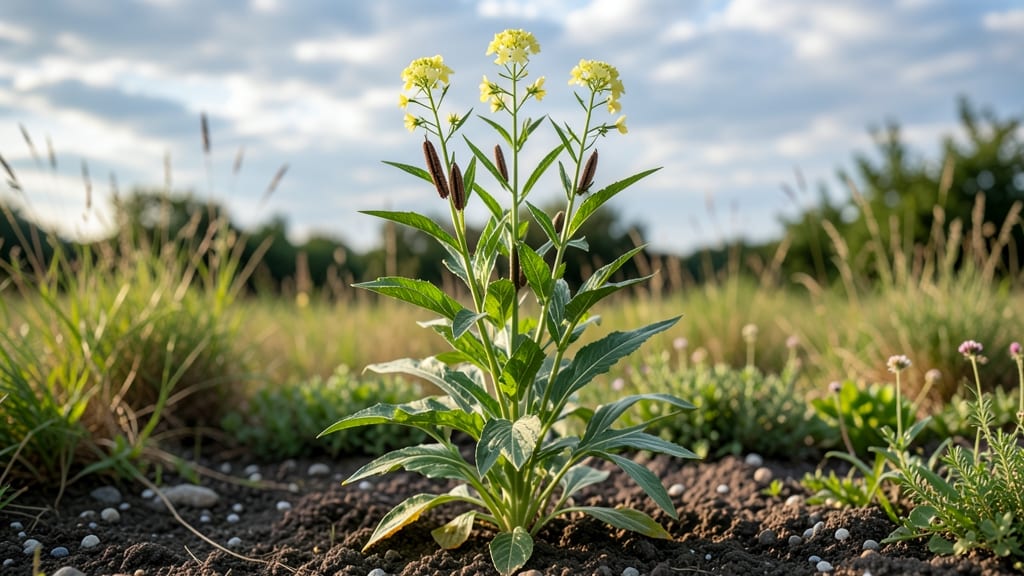
Harvesting wild mustard seed pods turns weeds into garden gold. 🌱 I’ve collected enough to fill jars for companion planting and wildflower mixes—no waste, just opportunity. The key is knowing when and how to gather them before they scatter everywhere.
You’ll need a bucket, scissors, and a sunny day. Look for tall plants with yellow flowers giving way to long, slender seed pods. Snip them cleanly when they’re dry but before they burst open—usually in late summer or early fall.
This method keeps your garden tidy and gives you free seeds for next year.
Once dried, crush the pods to release seeds or store them whole in paper bags. Plant them near brassicas to deter pests or scatter them in wildflower areas. The seeds germinate quickly, and you’ll have fresh greens or blooms in just a few weeks.
Just watch for invasive spread—some wild mustard varieties can take over. If that’s a concern, collect seeds from known non-invasive plants or use them sparingly. With the right approach, these "weeds" become a gardener’s secret weapon.
📚 In This Guide
- What you need
- Instructions
- Tips and common mistakes
- Wrapping up and next steps
What you need
- ● Wild mustard seed pods (harvested from Brassica juncea or similar species—ensure they’re fully mature and dry!)
- ● Pruning shears or sharp scissors (for cleanly snipping pods without damaging plants)
- ● Paper bags or breathable fabric sacks (1-2 medium-sized bags to collect pods—avoid plastic to prevent moisture buildup)
- ○ Gloves (optional but recommended) (nitrile or cotton gloves to protect hands from prickly stems or sap)
- ● Labeling tags & permanent marker (to mark bags with harvest dates or locations)
- ● Drying tray or screen (a mesh screen or baking sheet for spreading pods to dry evenly)
- ○ Small fan or dehumidifier (optional but helpful) (speeds up drying in humid climates)
- ● Seed storage containers (airtight jars or vacuum-sealed bags for long-term storage)
- ● Magnifying glass (for inspecting pods for pests or damage before processing)
- ● Food processor or mortar & pestle (if you plan to crack open pods for seeds immediately)
- ● Camera or sketchbook (to document your wild mustard plants for future reference)
- ● Local foraging guidebook or app (to double-check plant identification and ethical harvesting practices)
How to harvest wild mustard seed pods without waste
Here's the simple, sustainable way to collect wild mustard seeds—no special tools needed.
🌿 Step 1: Identify Mature Seed Pods
Wild mustard pods turn from green to light brown when ready. Look for pods that feel slightly papery when touched—these will release seeds easily. Avoid pods that are still green or have started splitting open naturally, as the seeds inside won't be fully mature.
Harvest on a dry, sunny morning after dew has evaporated. This prevents moisture from sticking to the pods and ensures a cleaner collection. I like to work when the plants are still cool to the touch, usually just after sunrise.
🪴 Step 2: Collect Pods with Minimal Waste
Use a clean, dry paper bag or small mesh sack to collect pods—plastic bags trap moisture and can cause mold. Gently twist or snap the mature pods from the stems, being careful not to damage the plant. If pods resist, they're not fully ripe yet.
For larger patches, lay a clean sheet of newspaper under the plants before harvesting. Shake the pods gently over the paper to catch any that fall. This reduces lost seeds and makes cleanup easier.
🌱 Step 3: Dry and Prepare Pods for Seed Extraction
Spread the collected pods in a single layer on a clean, dry surface like a baking sheet or flat tray. Place them in a warm, dry spot (around 70-75°F) away from direct sunlight, which can cause them to overheat. I use a well-ventilated porch or a sunny windowsill with indirect light.
Check pods daily for 2-3 days—they’re ready when they’re completely dry and light enough to rattle seeds when shaken. If pods start to split open, transfer them to a paper bag and shake gently to release seeds.
✂️ Step 4: Extract Seeds and Store for Future Use
Once pods are fully dry, place them in a clean cloth bag or paper sack and shake vigorously to release seeds. Hold the bag over a clean bowl or tray to catch falling debris. Discard any remaining pod fragments—they’re too small for viable seeds.
Sift the collected seeds through a fine mesh strainer to remove chaff and tiny debris. Store seeds in an airtight glass jar in a cool, dark place. Label with the harvest date—wild mustard seeds stay viable for 2-3 years when stored properly.
💧 Step 5: Compost or Replant Waste Pods
Instead of discarding leftover pods, use them to boost your compost pile. Their fibrous texture helps aerate compost and adds nitrogen as they break down. If you’re replanting wild mustard intentionally, crush the dried pods and scatter them lightly over prepared soil for natural reseeding.
For a zero-waste approach, save a few pods to decorate dried arrangements or use as natural filler in craft projects. Their unique shape adds texture to wreaths or potpourri mixes.
Tips & tricks for perfect wild mustard seed pod harvesting
A few simple tricks will turn your wild mustard harvest into a seamless, rewarding experience—without a single wasted pod or seed.
Timing is Everything: The dry, sunny morning window is your best friend. I've learned this the hard way—harvesting after dew lingers leaves sticky pods that mold in your collection bag. If morning isn't possible, wait until the plants are completely dry, but avoid harvesting in the heat of the day when pods can overheat and split prematurely.
Equipment Upgrade: While paper bags work fine, a small mesh sack or even an old pillowcase lets air circulate better, preventing moisture buildup. I keep a dedicated harvesting kit with a mesh bag, fine strainer, and glass jar—it makes the whole process faster and more efficient. The strainer is especially helpful for removing chaff without losing seeds.
Drying Strategy: That 70-75°F warm spot is crucial—too hot and pods overheat, too cool and drying takes forever. I've had success using a well-ventilated porch or even a sunny windowsill with indirect light. If you notice pods browning too quickly, move them to a cooler spot. The goal is complete dryness without burning.
Zero-Waste Bonus: Those leftover pods aren't waste—they're compost gold! I crush them slightly before adding to my compost pile, which helps break them down faster. For creative reuse, save a few pods to tie together with twine for rustic dried arrangements—they add beautiful texture to winter decor.
Pro Tips for Wild Mustard Seed Pods
- A few simple tricks will turn your wild mustard harvest into a seamless, rewarding experience—without a single wasted pod or seed.
- Timing is Everything: The dry, sunny morning window is your best friend.
- Equipment Upgrade: While paper bags work fine, a small mesh sack or even an old pillowcase lets air circulate better, preventing moisture buildup.
Frequently asked questions
Got questions about harvesting wild mustard seed pods? You’re not alone! Here are some of the most common queries—and their stress-free solutions.
How do I know when wild mustard seed pods are ready to harvest?
Wild mustard seed pods mature when they turn brown and start splitting open on their own. Aim to harvest them just before they fully release seeds to avoid waste. If you see pods cracking or seeds spilling, it’s time to act! Check plants every 2–3 days during peak maturity (late summer to early fall).
What’s the best time of day to harvest wild mustard seed pods?
Harvest on a dry, sunny morning after dew has evaporated. This ensures pods are crisp and seeds stay intact. Avoid harvesting after rain—wet pods can mold or make seeds stick to the plant. Early morning also means cooler temps, reducing seed loss from heat stress.
My seed pods are opening too fast—how can I slow them down?
If pods are cracking prematurely, try one of these tricks:
- Cut the plant and hang it upside down in a paper bag to collect seeds naturally.
- Harvest entire pods and dry them indoors (out of direct sunlight) to slow seed release.
- Use a mesh bag over the plant to trap seeds while allowing airflow.
Can I use wild mustard seed pods if they’re still green?
Green pods aren’t ideal for seeds but can still be used! Young, tender pods (before browning) are edible like broccoli rabe—blanch and sauté them for a peppery bite. Just avoid bitter or fibrous pods. For seeds, always wait until pods turn brown and dry.
What can I do with leftover wild mustard plant debris after harvesting?
Zero-waste wins! Compost leftover stems, leaves, and uneaten pods—they break down easily. Alternatively, dry and crush them for wild mustard mulch (great for deterring pests). If you’re feeling creative, use the stems in homemade brooms or natural dyes!
Wrapping up and next steps
Harvesting wild mustard seed pods doesn’t have to be a chore—it’s a rewarding, eco-friendly way to reduce waste and add flavor to your meals! With just a few simple tools and techniques, you can transform your lawn into a zero-waste goldmine.
Whether you’re a seasoned forager or a curious beginner, these methods make the process effortless and sustainable.
Ready to take the next step? Start small—try harvesting a handful of pods this week and experiment with them in recipes. Share your discoveries with friends or even turn it into a fun community project! Every seed saved is a win for your garden and the planet. 🌱