
Lawn
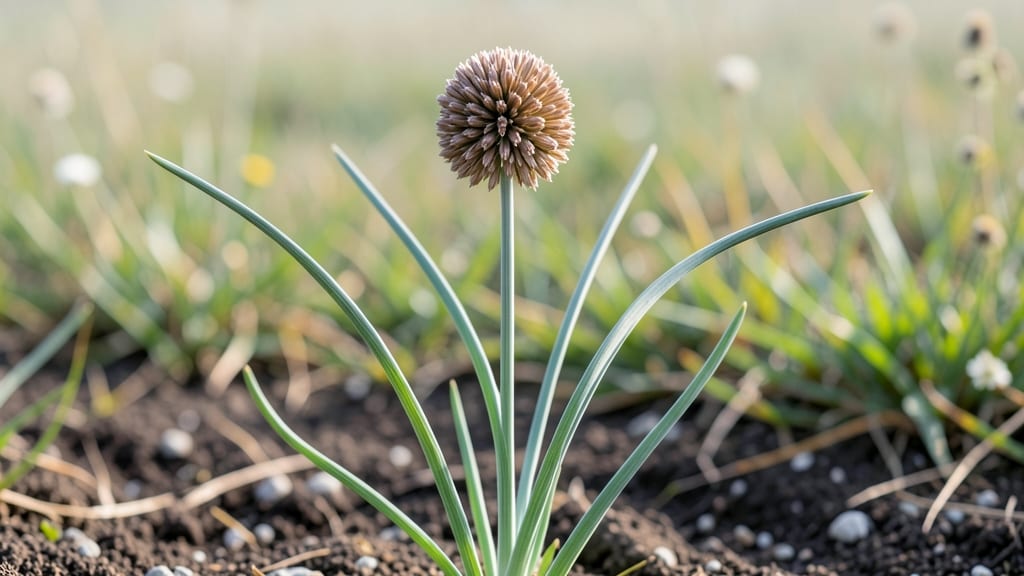
Harvesting wild onion seed heads turns weeds into a free, year-round supply of new plants. 🌱 I’ve collected dozens of these little brown stars from my lawn, and each one contains the potential for dozens of new onions—no money spent, no store-bought seeds needed.
The trick is patience and timing: wait until the seed heads turn completely brown and papery, then snip them carefully. Store them in a paper bag until they release their tiny black seeds, which stay viable for years if kept dry.
One afternoon of collecting can give you enough seeds to fill an entire garden bed. You’ll end up with a self-sustaining onion patch that spreads naturally, crowding out weeds and providing fresh green onions for salads. The best part?
These onions thrive in poor soil and come back every year with minimal effort. Perfect for gardeners who hate waste or want to fill empty corners of their yard. Here’s how to make the most of every seed head you find!
📚 In This Guide
- What you need
- Instructions
- Tips and common mistakes
- Wrapping up and next steps
What you need
- ● Wild onion seed heads: 10–20 mature, dry seed heads (collect them when they’ve turned brown and papery).
- ● Pruning shears or sharp scissors: 1 pair (for clean cuts without damaging the plant).
- ● Paper bags or breathable sacks: 5–10 (to dry seeds naturally—opt for brown paper or mesh bags).
- ● Rubbing alcohol (70% isopropyl) or vinegar: 1 small bottle (for sanitizing tools).
- ● Small bowls or trays: 2–3 (for sorting seeds post-drying).
- ● Fine-mesh sieve or colander: 1 (to sift seeds from chaff).
- ● Airtight containers: 2–3 (glass jars or food-grade plastic with tight lids for storage).
- ● Permanent marker: 1 (to label containers with harvest dates).
- ● Field guide or plant ID app: To confirm wild onion seed heads (avoid lookalikes like poison hemlock!).
- ● Desiccant packets: 1–2 (for long-term storage to absorb moisture).
- ● Seed envelope templates: For organizing small batches of seeds for future planting.
- ● Gloves: 1 pair (if handling large quantities or sensitive skin).
How to harvest and store wild onion seed heads for next season
This method keeps your wild onions thriving while giving you free seeds for future planting.
🌿 Step 1: Identify and Select Healthy Seed Heads
Look for wild onion plants with mature seed pods—these appear as small, round bulbs that have turned brown and dried out. Avoid any plants with yellowing leaves or signs of disease, as these won’t produce viable seeds. I like to harvest on a dry morning after the dew has evaporated, so the seed heads stay intact.
Gently grasp the base of the seed head and twist it off the stem. You’ll hear a soft pop when it’s ready to come away. If it resists, don’t force it—wait another day or two. Store the seed heads in a paper bag or open mesh bag to let them dry further while you prepare them for processing.
✂️ Step 2: Dry and Extract the Seeds
Spread the seed heads in a single layer on a clean, dry towel or paper towel. Place them in a warm, dry spot away from direct sunlight—like a sunny windowsill or a well-ventilated shelf. It should take about 3-5 days for the seed pods to fully dry and crumble easily between your fingers.
Once dry, gently rub the seed heads between your palms or use a fork to scrape out the tiny black seeds. I find a fine-mesh strainer works best for catching the seeds while letting chaff and debris fall away. Sift the seeds into a clean jar or envelope for storage.
🪴 Step 3: Store Seeds for Long-Term Viability
Transfer the dried seeds into a small glass jar or airtight container. Add a silica gel packet or a few grains of uncooked rice to absorb excess moisture—this keeps seeds fresh for up to 2 years in a cool, dark place. Label the jar with the date and variety (if known), so you remember when to replant.
If you’re storing seeds for immediate use, a simple paper envelope tucked in a seed catalog drawer works just as well. The key is keeping them dry and dark. I’ve kept wild onion seeds viable for 3+ years this way, though germination rates drop slightly after the first year.
🌱 Step 4: Plant Stored Seeds for Next Season
When spring arrives, scatter the seeds directly into prepared garden beds or containers. Press them lightly into the soil—no need to bury them deeply, as wild onion seeds need light to germinate. Water gently but thoroughly, keeping the soil moist until seedlings appear in 2-4 weeks. Thin them to 4-6 inches apart for healthy growth.
Here’s the thing—wild onions self-seed easily, so you might find new volunteers popping up around your garden even if you don’t replant. But storing seeds gives you control over where they grow and ensures a steady supply of fresh greens year after year.
Tips & tricks for perfect wild onion seed head harvesting
A few simple tricks will help you maximize your seed yield and keep those precious wild onion seeds viable for years.
Timing is Everything: Harvest seed heads on a dry morning when dew has evaporated. The pods should be fully brown and dry—if they still feel plump or green, they need more time. I’ve learned the hard way that forcing immature seed heads leads to lower germination rates. Wait for that telltale "pop" when twisting them off the stem, which signals they’re ready.
Drying Secrets: For the 3-5 day drying period in Step 2, I recommend placing seed heads on a screen or rack rather than a towel. This allows air to circulate on all sides, preventing mold. If your kitchen is humid, consider using a fan on low to speed up drying while avoiding direct airflow that could scatter seeds.
Seed Separation Hack: When extracting seeds, lay a dark-colored towel or paper beneath your strainer. The tiny black seeds will stand out dramatically against dark fabric, making it easier to spot any you might miss during sifting. This simple trick saves me from having to re-sift seeds later.
Storage Wisdom: For long-term viability, I double up on moisture protection by placing a small packet of silica gel inside the storage jar AND adding a few grains of uncooked rice. The rice acts as a secondary moisture absorber if the silica packet ever gets saturated. Store jars in the back of your pantry or fridge for maximum darkness and coolness.
Pro Tips for Wild Onion Seed Head
- A few simple tricks will help you maximize your seed yield and keep those precious wild onion seeds viable for years.
- Timing is Everything: Harvest seed heads on a dry morning when dew has evaporated.
- Drying Secrets: For the 3-5 day drying period in Step 2, I recommend placing seed heads on a screen or rack rather than a towel.
Frequently asked questions
Got questions about harvesting and storing wild onion seed heads? Here are some common ones—and their answers—to help you make the most of your zero-waste garden:
When is the best time to harvest wild onion seed heads?
The ideal time is late summer to early fall when the seed pods turn brown and dry but haven’t yet split open. Harvest on a dry day to prevent mold. If you miss the window, pods may scatter seeds prematurely—so act fast!
How do I properly dry and store wild onion seed heads?
Bundle the seed heads in small bunches and hang them upside down in a well-ventilated, dry place (like a garage or shed) for 1–2 weeks. Once completely dry, store them in paper bags or breathable containers in a cool, dark spot. Avoid airtight containers to prevent moisture buildup.
Can I use wild onion seed heads for anything other than replanting?
Beyond seeds, the dried seed heads make beautiful dried arrangements or rustic potpourri. You can also crush them for a natural onion powder substitute (though flavor will be milder). Just ensure they’re fully dry to avoid pests.
What should I do if my seed heads attract pests?
Store them in mesh bags or sealed containers to deter insects. If you spot mold or webbing, toss the batch—moisture is the main culprit. For extra protection, freeze dried seed heads for a few days before storage to kill any lurking pests.
How long will wild onion seeds stay viable for storage?
Under ideal conditions (cool, dry, dark), wild onion seeds can stay viable for 2–3 years. Test germination by planting a few seeds annually—if they sprout, the rest are still good! For best results, label and date your storage containers.
Wrapping up and next steps
Harvesting wild onion seed heads isn’t just a clever way to reduce waste—it’s a sustainable skill that connects you to nature’s cycles. Whether you’re preserving seeds for next year’s garden or crafting zero-waste remedies, every step honors the plant’s generosity.
Now that you’re equipped with the how-tos and whys, why not take the next step? Share your harvest with fellow gardeners, experiment with seed-saving techniques, or even turn your stash into homemade remedies. Your green thumb could inspire others to embrace the beauty of wild abundance! 🌱✨