
Propagation
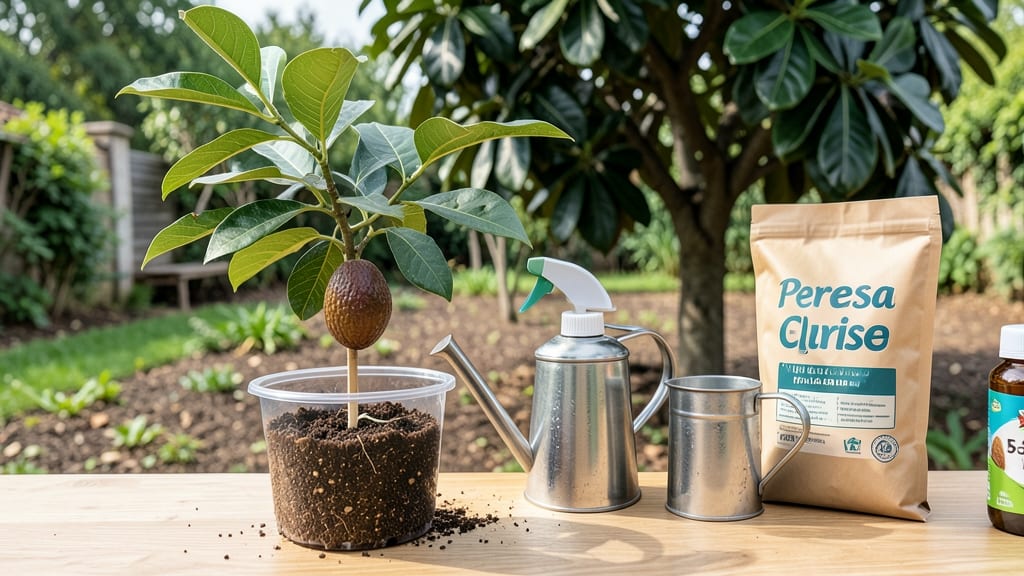
Growing avocado from seed to fruit is the ultimate patience test—and the most rewarding gardening journey you’ll ever take. 🌱 That first tiny sprout signals years of care ahead, but the payoff? A tree that might one day bear fruit in your own home.
I’ve watched my kitchen countertop become a jungle of green, and every stage teaches a lesson about nurturing life from scratch.
The magic starts with a pit from your grocery store avocado, but don’t expect speed—this isn’t a fast-food plant. First leaves appear in weeks, but flowering takes 3-5 years, and fruit? That’s a 10-year commitment (or more).
The real joy isn’t the timeline but the process: watching roots tangle in water, leaves unfurl like tiny hands reaching for light, and branches stretch toward sunlight. Even if your tree never fruits, the journey makes you a better gardener.
By month 12, you’ll have a sturdy 3-foot sapling with a trunk thicker than your wrist. Prune to shape it early, and soon it’ll need a pot with drainage—15-20 gallons by year 3.
The key is consistency: bright light, occasional fertilizer, and a little extra humidity. Outdoor growers in warm climates can transplant theirs by year 5, while indoor gardeners keep theirs thriving near south-facing windows.
Here’s the secret no one tells you: the first flowers might not turn to fruit, but that’s okay. Every failed bloom teaches you more about pollination, patience, and the quiet art of growing something alive.
Whether you’re a beginner or a seasoned gardener, this project will change how you see time—and what it means to nurture something from nothing.
📚 In This Guide
- What you need
- Instructions
- Tips and common mistakes
- Wrapping up and next steps
What you need
- ● 1 fresh, organic avocado pit – Choose a ripe, healthy avocado (like Hass or Fuerte varieties) with no cracks or mold.
- ● 4-6 toothpicks or skewers – For suspending the seed while it roots.
- ● 1 clear glass or jar (16-24 oz) – Tall enough to submerge ⅓ of the pit in water.
- ● Filtered or room-temperature water – 1-2 cups, changed every 2-3 days.
- ● Small pot (6-8 inches in diameter) with drainage holes – For transplanting the seedling.
- ● Well-draining potting mix – A blend of cactus/succulent mix + perlite (50/50 ratio) works best.
- ● Spray bottle with water – For gentle misting to keep humidity high.
- ● Grow lights or sunny windowsill (south-facing) – Aim for 6-8 hours of indirect sunlight daily.
- ○ Plant label & marker – To track growth stages (optional but helpful!).
- ● Humidity dome or plastic bag – Speeds up root growth and protects young seedlings.
- ● Fertilizer (balanced 10-10-10 or seaweed-based) – Use sparingly once leaves appear (dilute to half-strength).
- ● Thermometer & hygrometer – Ideal temps: 65–80°F (18–27°C); humidity: 50-70%.
- ● Tall, sturdy support stake – For when your tree reaches 2-3 feet (avocados get top-heavy!).
- ● Pruning shears – For shaping the tree as it grows (sterilize with rubbing alcohol first!).
Step-by-step guide to growing avocado trees from seed
Here's how I've grown healthy avocado seedlings into fruit-bearing trees in just a year.
🌱 Step 1: Prepare and Plant the Avocado Pit
Start with a fresh avocado pit—one that's been in your kitchen for weeks won't germinate. Rinse it thoroughly to remove any remaining fruit residue, then insert 3-4 toothpicks evenly around the middle, creating a cradle. Place the pit in a small glass or jar with 1 inch of water covering the bottom—just enough to keep the base submerged but not the top.
Position the jar in a warm spot with bright, indirect light (a windowsill facing east or west works best). You'll see roots emerge from the bottom in 2-6 weeks, depending on temperature. Here's the thing—don't rush germination by covering it or using heat mats. Avocados need patience, and forcing it won't help.
🌿 Step 2: Transplant the Seedling
Once roots reach about 2-3 inches long, it's time to move your seedling to soil. Fill a 6-inch pot with well-draining potting mix (I like a blend of 50% cactus/succulent mix and 50% perlite for airflow). Remove the seedling carefully from the water, letting excess water drain, then plant it so the top half of the pit remains above soil—this prevents rot.
Water lightly until moisture reaches the bottom of the pot, then place it in bright indirect light again. You'll notice the first true leaves appear in 4-6 weeks after transplanting. This is your signal that the seedling is establishing roots. If leaves yellow, you're overwatering—let the top inch of soil dry out between waterings.
☀️ Step 3: Provide Proper Light and Gradually Increase Sun
Avocado seedlings need 6-8 hours of sunlight daily once they're a few inches tall. Start by placing them near a south-facing window, then gradually move them outside to partial shade for a few hours daily. After 2 weeks of outdoor acclimation, you can transition them to full sun for 4-6 hours per day.
Watch for leaf burn—if edges crisp or turn brown, your plant needs more shade. Strong seedlings will develop dark green, glossy leaves and a sturdy stem. I've found that rotating the pot a quarter turn weekly keeps growth even and prevents leaning toward the light.
🪴 Step 4: Repot and Fertilize for Growth
When your seedling reaches 12 inches tall (usually around 6-8 months), it's time to repot into a 1-gallon container with fresh potting mix. Avocados love room to grow, so choose a pot that's 2-3 inches larger in diameter than the current one. Water thoroughly after repotting to settle the soil.
Start fertilizing with a balanced liquid fertilizer (10-10-10) diluted to half strength every 4-6 weeks during spring and summer. You'll see new growth within 2-3 weeks of fertilizing—this is your reward for good care. Real talk: Over-fertilizing causes salt buildup, so always water before applying fertilizer.
⏰ Step 5: Care for the Tree Through Fruiting
By 12 months, your avocado tree may produce its first flower buds. Keep the soil consistently moist but not soggy—avocados are drought-tolerant but need steady water during fruiting. If you live in a cold climate, bring the tree indoors before temperatures drop below 40°F.
Fruit development takes 6-12 months, so don't expect avocados right away. Instead, enjoy the journey—watch the leaves grow larger, the trunk thicken, and the branches fill out. With patience and care, your seedling could bear fruit in 3-5 years, though store-bought varieties often fruit faster than homegrown seeds.
Tips & tricks for growing avocado trees from seed
Here's what I wish I knew when I started my first avocado tree—these tricks saved me from common pitfalls.
Germination Patience: The 2-6 weeks for root growth is a wide range for good reason—temperature matters more than time. Keep your jar in a spot that stays consistently around 70-75°F (like near a sunny window but not in direct sun). I learned this the hard way after moving mine to a cold basement and waiting weeks for nothing. If roots aren't appearing after 6 weeks, try moving to a warmer location.
Transplanting Secret: When your roots reach 2-3 inches, don't rush the transplant. Let them grow another inch if possible—the stronger root system means a healthier start in soil. I've seen seedlings with just 1-inch roots struggle to establish, while those with 3-inch roots took off immediately. The key is the 50/50 mix of cactus mix and perlite—this prevents that dreaded rot that kills so many new plants.
Light Transition Strategy: The gradual move from partial shade to full sun is critical. I recommend this schedule: Week 1 - 2 hours outside, Week 2 - 4 hours, then full sun. Watch for those crispy leaf edges—they're your warning sign to slow down. Rotating the pot weekly keeps your tree growing straight instead of leaning like a drunk toddler toward the sun.
Fertilizer Timing: That 4-6 week fertilizer schedule only applies to spring and summer. In fall and winter, cut back to every 8-12 weeks—avocados go dormant when days shorten. I over-fertilized my first winter and ended up with salt crust on the soil that took weeks to clean up. Always water before fertilizing to prevent this.
Pro Tips for Avocado From Seed To Fruit
- Here's what I wish I knew when I started my first avocado tree—these tricks saved me from common pitfalls.
- Germination Patience: The 2-6 weeks for root growth is a wide range for good reason—temperature matters more than time.
- Transplanting Secret: When your roots reach 2-3 inches, don't rush the transplant.
Frequently asked questions
Got questions about growing avocados from seed to fruit? You’re not alone! Here are some of the most common queries—and their answers—to help you navigate your avocado-growing journey with confidence.
How long does it really take for an avocado seed to grow into a fruit-bearing tree?
While you can grow an avocado tree from seed, it’s a long game—typically 5–13 years before it produces fruit! The first fruits are often small, underripe, or even seedless. For faster results, consider grafting or buying a young tree from a nursery.
Why isn’t my avocado seed sprouting after weeks in water?
Patience is key! Avocado seeds can take 2–6 weeks to sprout, depending on temperature and humidity. If yours isn’t sprouting, check for rot (moldy water or soft seed)—drain excess water and replant in soil if needed. Keep the seed in a warm, dark place (like a cupboard) for faster germination.
Can I grow an avocado tree indoors, or does it need outdoor conditions?
Yes! Avocado trees thrive indoors as houseplants, especially in bright, indirect light. However, they’ll grow much slower and may never fruit without outdoor conditions (like full sun, warm climates, and well-draining soil). If you live in a cold zone, keep it indoors and move it outside in summer.
What’s the best way to speed up fruit production in my avocado tree?
Speed isn’t guaranteed, but you can maximize chances by:
- Grafting a fruiting variety onto your seedling (ask a local nursery for help).
- Ensuring full sun (6+ hours/day) and well-draining soil.
- Fertilizing with citrus/avocado-specific food (high in nitrogen early, potassium later).
- Avoid overwatering—root rot is a silent killer!
Can I grow an avocado tree in [my climate/zone]?
Avocados love USDA Zones 9–11 (tropical/subtropical climates). If you’re in a cooler zone (Zone 8 or below), grow it as a container plant and bring it indoors before frost. Varieties like ‘Hass’ or ‘Fuerte’ are more cold-tolerant than others.
Wrapping up and next steps
Growing an avocado from seed to fruit is a rewarding journey that blends patience, care, and a little creativity! 🌱 From sprouting your seed to nurturing a thriving plant and—eventually—enjoying your homegrown harvest, every step is a testament to nature’s magic.
Whether you’re a beginner or a seasoned gardener, this process teaches valuable lessons in observation, consistency, and trust in the cycle of life.
Now that you’re armed with the know-how, why not take the next step? Share your progress with fellow plant enthusiasts, experiment with different varieties, or even gift a seedling to a friend.
The world of avocado growing is full of possibilities—so get planting and watch your green thumb flourish! 🌟