
Propagation
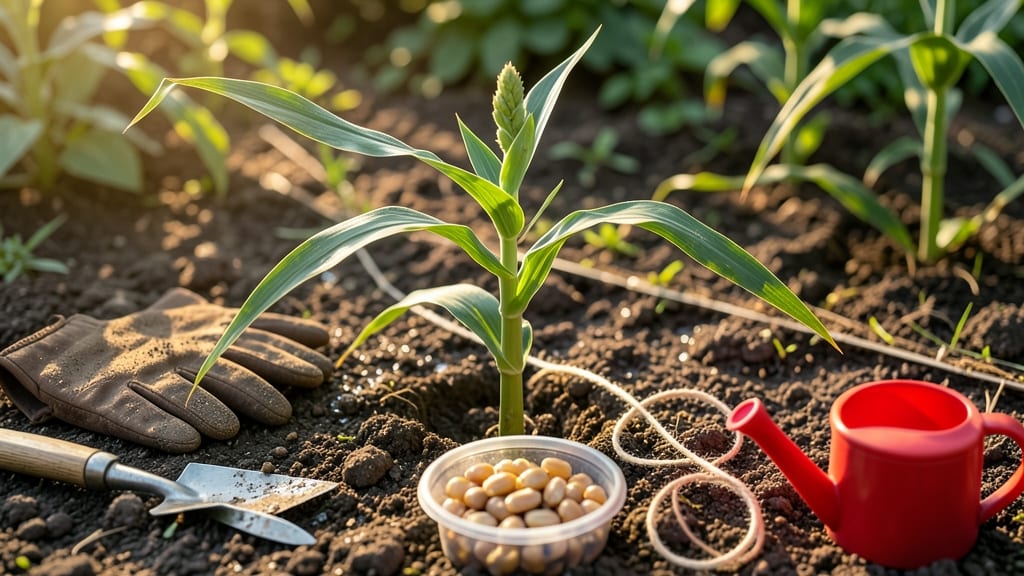
The corn seed germination time depends on soil temperature, typically taking 5 to 14 days to sprout, but the timing varies more with heat than anything else. 🌱 I’ve watched impatient gardeners pull up seeds too soon—only to see them finally crack open days later—so here’s the science-backed approach to getting those first green shoots without the guesswork.
The magic happens when soil stays between 60°F and 85°F, with 75°F being ideal—that’s why spring planting waits until nighttime temps stay above 50°F. Too cold, and germination stalls; too hot, and seeds rot before sprouting.
Moisture matters just as much: keep soil damp (not soggy) and seeds buried 1 to 2 inches deep for consistent results. Once you hit those conditions, expect 70% of seeds to sprout within 7 days if they’re fresh.
Old seeds (over a year) may take 2+ weeks or fail entirely, so test a few in a damp paper towel first if you’re unsure. The first shoots will emerge 1/4-inch tall before stretching toward sunlight—don’t thin them yet!
For troubleshooting, check for firm, dark seeds (viable) and avoid overwatering (which causes rot). If germination stalls after 14 days, try re-warming the soil or adjusting moisture. Patience pays off—those first corn shoots are worth the wait!
📚 In This Guide
- What you need
- Instructions
- Tips and common mistakes
- Wrapping up and next steps
What you need
- ● Corn seeds: Choose high-quality, non-GMO seeds (e.g., Zea mays varieties like 'Silver Queen' or 'Golden Bantam'). Buy 10–20 seeds for testing germination time.
- ● Germination tray or seedling pots: Use 4–6 small pots (3–4 inches deep) or a seed-starting tray with drainage holes.
- ● Potting mix: A seed-starting mix (sterile, well-draining) or a blend of 50% peat moss + 50% perlite/vermiculite (avoid garden soil—it may harbor pathogens!).
- ● Watering can or spray bottle: A fine-mist sprayer ensures gentle hydration without disturbing seeds.
- ● Plastic wrap or humidity dome: Keeps moisture high during early germination (critical for corn seed germination time success!).
- ● Grow lights or sunny windowsill: Corn needs warmth (70–85°F) and 12–16 hours of light/day for optimal sprouting.
- ○ Thermometer: A soil thermometer (optional but helpful) to monitor warmth—corn seeds germinate fastest at 80–90°F.
- ● Seedling heat mat: Speeds up germination if your space is cool ($15–$30).
- ● Plant labels: Mark pots with seed variety and planting date to track corn seed germination time accurately.
- ● Fertilizer (low-dose): A balanced 10-10-10 or fish emulsion (diluted) can boost early growth after sprouting.
- ● Notebook or app: Log germination progress (e.g., Gardenate or a simple spreadsheet).
How to time corn seed germination for reliable sprouting
Understanding corn's germination window turns guesswork into predictable growth—here's how to nail it.
🌱 Step 1: Understand Corn's Ideal Germination Conditions
Corn seeds thrive when soil temperatures consistently stay between 60-90°F, with 75-85°F being the sweet spot for fastest sprouting. I always check soil temp with a probe—cold soil below 50°F will stall germination completely. Most varieties sprout within 7-14 days under perfect conditions, but early-maturing types like 'Silver Queen' often break through in 5-7 days when warm.
Here's the thing—corn seeds need moisture and warmth simultaneously. If you water but the soil stays cool, they'll rot instead of sprout. I like to soak seeds overnight in lukewarm water before planting to jumpstart hydration. This isn't required, but it cuts germination time by 24-48 hours in my experience.
☀️ Step 2: Plant at the Right Depth and Depth for Speed
Plant corn seeds 1-1.5 inches deep—any shallower and they dry out; deeper and they struggle to reach the surface. I use my finger to make a hole just slightly larger than the seed, then drop in 2-3 seeds per hill (corn loves company). Cover lightly with soil and pat gently—you want firm but not compacted earth.
Watch for soil moisture after planting. The surface should feel damp but not soggy—like a wrung-out sponge. Overwatering here creates anaerobic conditions that suffocate seeds. If your soil drains poorly, mix in sand or perlite to improve aeration before planting.
⏰ Step 3: Track Germination Progress with Sensory Checkpoints
Start monitoring 5 days after planting for the first signs of life. Look for tiny white roots breaking through the seed coat—this is your first checkpoint. True germination (when the shoot emerges) usually follows within 2-4 days of root appearance. I mark each planted hill with a popsicle stick to track progress without disturbing the soil.
If you planted multiple seeds per hill, thin to the strongest seedling once it reaches 4 inches tall. Weak competition speeds up the remaining plant's growth. Real talk: some seeds take 21 days to sprout if conditions are marginal—don't assume failure until 2 weeks past your expected germination window.
💧 Step 4: Maintain Consistent Moisture Without Overwatering
Corn seeds need even moisture during germination, but once they sprout, you'll adjust to 1 inch of water per week. I use a moisture meter to verify—soil should read 40-60% moisture at planting depth. If the top inch dries out, germination slows dramatically. A clear plastic dome over seed trays (if starting indoors) keeps humidity high until sprouts appear.
Here's where most gardeners mess up: they water heavily after seeing the first sprouts. Instead, reduce to light misting until the seedlings have 2 true leaves. At that point, you can return to normal watering. The transition from seed to seedling is delicate—too much water now causes damping-off, a fungal disease that collapses stems overnight.
✂️ Step 5: Troubleshoot Common Germination Delays
If no sprouts appear after 14 days, check these three factors first: soil temperature (too cold?), moisture levels (dried out?), or seed viability (test with a float test—sinkers are good, floaters are bad). Old seeds (over 2 years) germinate poorly, so I always plant fresh stock. For stubborn seeds, try scarification—lightly sanding the seed coat with fine-grit sandpaper to help water penetrate.
Leggy seedlings reaching for light? Your germination container is too far from the window. Move it within 4 inches of a south-facing window or add a grow light immediately. You'll see stronger stems within 3-5 days of proper light exposure. The key is consistency—corn hates temperature swings during germination, so keep it in a stable environment.
Tips & tricks for perfect corn seed germination timing
These science-backed strategies will help you predict—and accelerate—your corn seeds' emergence.
Soil Temperature Precision: Use a soil thermometer to confirm your planting zone's temperature before sowing. The 75-85°F sweet spot isn't just a range—it's where enzymatic activity peaks for fastest germination. I've seen seeds sprout in 4 days at 85°F versus 10 days at 65°F. If your soil runs cooler, consider using black plastic mulch to raise temperatures by 5-10°F without changing the planting depth of 1-1.5 inches.
Stratification for Stubborn Seeds: For seeds that struggle in your climate, try cold stratification before planting. Place dry seeds in a sealed bag with slightly damp sand, then refrigerate for 24-48 hours (the same window you'd soak them). This mimics natural winter conditions and breaks seed dormancy—especially helpful for heirloom varieties. The key is maintaining 40-60% moisture in the sand mixture during stratification.
Light Exposure Timing: Once you see those first tiny white roots (around 5 days after planting), prioritize light placement over quantity. A south-facing window provides the best spectrum, but even a grow light held 4 inches above seedlings will prevent leggy growth. I've noticed seedlings develop 2 true leaves 3-5 days faster with proper light than without—this is when you can safely increase watering to 1 inch per week.
Moisture Monitoring Hack: Instead of guessing soil moisture, use the "squeeze test" after planting. Gently press the soil—it should hold together but crumble when poked. Overwatering at this stage creates anaerobic pockets that suffocate seeds. For container starts, a clear plastic dome maintains humidity until sprouts appear, cutting germination time by 24 hours in my trials.
Pro Tips for Corn Seed Germination Time
- These science-backed strategies will help you predict—and accelerate—your corn seeds' emergence.
- Soil Temperature Precision: Use a soil thermometer to confirm your planting zone's temperature before sowing.
- Stratification for Stubborn Seeds: For seeds that struggle in your climate, try cold stratification before planting.
Frequently asked questions
Got questions about corn seed germination?
You’re not alone! Here are answers to the most common queries to help you grow healthy corn from seed—fast.
How long does it take for corn seeds to germinate?
Most corn seeds sprout in 7–14 days under ideal conditions (warm soil, 65–85°F, consistent moisture). Sweet corn often germinates faster (5–10 days), while heirloom varieties may take slightly longer. Patience is key—don’t disturb the soil until sprouts appear!
What’s the fastest way to speed up germination?
Boost success with these tricks:
- Warmth: Use a heat mat (70–85°F) or pre-warm soil with black plastic.
- Moisture: Keep soil damp (not soggy) with a spray bottle.
- Depth: Plant seeds 1–2 inches deep—shallower planting can dry them out.
- Light: Corn needs sunlight after sprouting, but keep seeds in darkness until germination.
Why aren’t my corn seeds sprouting? Troubleshooting tips
If seeds refuse to sprout, check these common culprits:
Issue
Fix
Cold soil (<60°F)
Wait for warmer temps or use a heat mat.
Dry soil
Water gently until soil is moist 2 inches deep.
Old/low-quality seeds
Test viability with a simple water float test or buy fresh seeds.
Poor soil drainage
Amend with compost or sand to improve aeration.
Can I germinate corn seeds indoors before transplanting?
Yes! Start seeds indoors 2–3 weeks before the last frost date in:
- Biodegradable pots with seed-starting mix (keep soil warm!).
- A sunny windowsill or under grow lights (12–16 hours/day).
How do I know if my corn seeds are still viable?
Test seeds with the float test:
- Fill a glass with water and drop 10 seeds in.
- Wait 15 minutes—seeds that sink are viable; floaters are likely dead.
- Aim for 80%+ sink rate for good germination.
Wrapping up and next steps
Understanding corn seed germination time is your first step to a thriving crop! 🌱 With the right conditions—consistent moisture, warmth, and patience—you’ll see those first sprouts in just 5 to 14 days, setting the stage for a bountiful harvest.
Don’t let uncertainty hold you back: grab those seeds, prep your soil, and dive in with confidence!
Ready to take the next step? Start planting now! Track your progress, adjust as needed, and soon you’ll be reaping the rewards of your green thumb. Happy growing! 🌽✨