
Planting
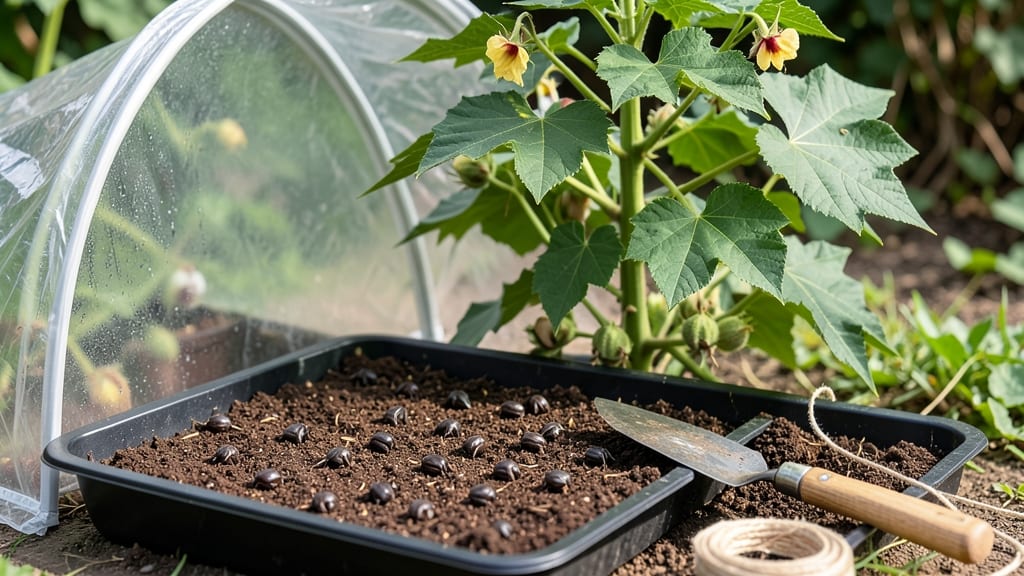
Planting cotton seed sowing isn't just about sticking them in the ground—it's about creating the perfect conditions for those fluffy dreams to take root. 🌱 I've learned the hard way that cotton needs warmth, patience, and just the right touch to germinate reliably, but when you get it right, those first pale green leaves feel like magic.
The secret starts with soil that's warm enough to make those seeds think spring has arrived—think 80°F+ and consistently moist. Most gardeners overlook this, but cotton seeds won't even crack open until the soil hits that sweet spot.
Too cool, and you'll wait weeks for germination (if they sprout at all).
What you'll end up with is sturdy seedlings that outpace weeds and develop strong root systems before bolting. By midsummer, you could be watching those first square buds form—or harvesting enough lint to make your neighbors jealous of your backyard fluff factory.
Now, here's the catch: cotton thrives in long, hot growing seasons, so unless you're in Zone 8+, you'll need to start seeds indoors 10-12 weeks before your last frost.
Small spaces? Try dwarf varieties in containers—they won't give you bales, but they'll still produce pretty blooms and a few inches of usable fiber.
📚 In This Guide
- What you need
- Instructions
- Tips and common mistakes
- Wrapping up and next steps
What you need
- ● Cotton seeds: High-quality, certified seeds (quantity depends on field size—typically 40-60 lbs per acre). Choose varieties suited to your climate (e.g., upland or Pima cotton).
- ● Fertilizer: Nitrogen (N): 80-120 lbs/acre (pre-plant or starter fertilizer).
- ● Phosphorus (P₂O₅): 40-60 lbs/acre (for root development).
- ● Potassium (K₂O): 60-100 lbs/acre (soil-test-based).
- ● Soil amendments: Lime (if soil pH < 6.0) or gypsum (for sodium reduction).
- ● Irrigation equipment: Drip tape, pivot systems, or flood irrigation (if applicable).
- ● Precision planter: Air-seed cotton planter (e.g., John Deere, Case IH) with single-row or multi-row capability (adjustable row spacing: 36-40 inches).
- ● Seed treatment: Fungicide (e.g., thiabendazole) and insecticide (e.g., imidacloprid) for disease/pest resistance.
- ● Soil testing kit: pH meter or lab submission for nutrient analysis.
- ○ Markers/stakes: For row alignment (optional but helpful for large fields).
- ● Weather check: Sow seeds when soil temps are 60–65°F (15–18°C) and no frost is forecasted for 2 weeks.
- ● Field prep: Deep plow (12+ inches) + disk harrow to break up clods and level soil.
- ● Weed control: Pre-emergent herbicide (e.g., pendimethalin) applied 1-2 weeks before sowing.
- ● Regulatory compliance: Check local laws for pesticide use, water rights, and organic certification (if applicable).
- ● 🌡️ Seed depth: Plant 1–1.5 inches deep for optimal germination.
- ● ✨ Spacing: Aim for 3–4 seeds per foot in rows (thin later to 3–4 inches apart).
- ● 🔥 Calibration: Adjust planter settings for 95%+ seed viability to avoid gaps.
Step-by-step instructions for planting cotton seeds
Here's how I ensure strong, healthy cotton plants from the very first seed—tested over multiple growing seasons.
🌱 Step 1: Prepare the Planting Site for Optimal Growth
Cotton thrives in warm, well-drained soil with plenty of sunlight. Choose a location that receives full sun (at least 8-10 hours daily) and has soil that warms to 60°F or above—cotton seeds won’t germinate in cool soil. I always test the soil temperature with a soil thermometer before planting; if it’s below 60°F, wait a few more days.
Loosen the top 6-8 inches of soil with a garden fork or tiller to improve drainage and root penetration. Cotton plants develop deep root systems, so breaking up compacted soil ensures they grow strong from the start. If your soil is heavy clay, mix in a generous amount of compost to improve texture and fertility.
🌱 Step 2: Sow Seeds at the Correct Depth and Spacing
Plant cotton seeds ½ inch deep and 18-24 inches apart in rows spaced 3 feet apart. Sowing too deep delays germination, while planting too shallow can dry out the seeds before they sprout. I like to use a small hand trowel to make individual holes—this ensures consistent depth and spacing.
Place 2-3 seeds per hole and cover lightly with soil. Once seedlings emerge, thin to the strongest plant per spot, leaving the others to dry. This prevents overcrowding, which can lead to weak stems and increased disease risk. Water gently after planting to settle the soil around the seeds.
☀️ Step 3: Provide Consistent Moisture and Warmth for Germination
Keep the soil evenly moist but not soggy during germination, which typically takes 7-14 days depending on soil temperature. I use a spray bottle to water lightly, avoiding heavy streams that can dislodge seeds. A clear plastic cover or row fabric can help retain warmth and moisture, speeding up germination.
Once seedlings appear, remove any covers immediately to prevent damping-off, a fungal disease that attacks young plants. Watch for the first true leaves—these are the second set of leaves that appear after the initial seed leaves (cotyledons). This is your cue that the plant is established and ready for more consistent care.
💧 Step 4: Maintain Soil Moisture and Fertility for Strong Growth
Cotton plants need 1-1.5 inches of water per week, especially during flowering and boll formation. Water deeply at the base of the plant in the morning to reduce evaporation and fungal risks. Avoid wetting the leaves, as this can promote mildew. I often use drip irrigation for cotton to keep moisture consistent without disturbing the soil.
Fertilize lightly with a balanced, low-nitrogen fertilizer (like 5-5-5) when seedlings are 4-6 inches tall. Too much nitrogen encourages leafy growth at the expense of flowering and boll development. Monitor the plants for signs of nutrient deficiency—yellowing leaves or stunted growth means it’s time to feed again.
✂️ Step 5: Prune and Support Plants for Maximum Yield
As cotton plants grow, remove any side shoots that form below the first 6-8 inches of the main stem. These shoots divert energy from boll production. I also prune away any damaged or diseased leaves to keep the plant healthy. Support tall varieties with stakes or a trellis to prevent lodging (falling over) from wind or heavy bolls.
Watch for the first flowers, which appear 60-90 days after planting. These will develop into bolls, so protect them from pests like bollworms. Harvest bolls when they turn brown and dry, usually 3-4 weeks after flowering. Regular pruning and support ensure your cotton plants focus their energy on producing high-quality fiber.
Tips & tricks for precision cotton planting
Here's what I've learned from years of growing cotton—these small details make all the difference between healthy plants and struggling seedlings.
Soil Temperature Check: That 60°F minimum isn't just a suggestion—it's critical. I've seen seeds fail to germinate even when planted at 62°F if the soil was damp and cold underneath. Use a soil thermometer in the morning when soil is coolest. If you're planting in early spring, consider using black plastic mulch a few days before planting to warm the soil faster. The first few days after planting are when seeds are most vulnerable to cool temperatures.
Planting Tool Tip: I learned this the hard way after ruining three batches—use a hand trowel to make planting holes, not your fingers. The trowel creates consistent ½-inch depth every time, while finger planting often results in uneven depths that cause germination problems. For large plantings, a dibble bar (a simple tool with multiple tines) can save your hands and ensure perfect spacing.
Germination Timing Secret: Those 7-14 days can feel like forever, but there's a trick to speed things up: place a clear plastic cover over your planting area immediately after sowing. This creates a mini greenhouse effect that can cut germination time by 3-5 days. Just remember to remove the cover as soon as you see sprouts to prevent damping-off disease. I also water with a spray bottle rather than a hose—it gives me better control and prevents seed displacement.
Watering Wisdom: The 1-1.5 inches per week guideline is perfect, but timing matters just as much. I water my cotton plants in the early morning so the leaves have all day to dry out. Wet leaves overnight invite fungal diseases like mildew, which can devastate your crop. For the first few weeks after planting, I check soil moisture daily—cotton seeds need consistent moisture to germinate, but you don't want waterlogged soil either.
Pro Tips for Cotton Seed Sowing
- Here's what I've learned from years of growing cotton—these small details make all the difference between healthy pla...
- Soil Temperature Check: That 60°F minimum isn't just a suggestion—it's critical. I've seen seeds fail to germinate ev...
- Planting Tool Tip: I learned this the hard way after ruining three batches—use a hand trowel to make planting holes, ...
Frequently asked questions
Got questions about cotton seed sowing? You’re not alone—growing cotton takes precision, timing, and a few tricks up your sleeve. Here are answers to the most common queries to help you plant with confidence!
When is the best time to plant cotton seeds?
The ideal cotton seed sowing window depends on your climate, but most regions aim for after the last frost when soil temps hit 60–65°F (15–18°C). In warmer zones, early spring works; cooler areas may wait until late spring. Always check your local frost dates and seed packet guidelines!
How deep should I plant cotton seeds?
Cotton seeds need 1–1.5 inches (2.5–4 cm) of depth for optimal germination. Planting too shallow risks drying out, while burying them too deep can delay sprouting. Use a seed planter or dibble for consistency—cotton seeds are tiny but mighty!
Can I sow cotton seeds indoors first?
Yes! Start seeds indoors 4–6 weeks before the last frost in biodegradable pots or seed trays. Keep soil warm (70°F/21°C) and moist until seedlings have 2–3 true leaves. Harden them off for 7–10 days before transplanting—just like tomatoes, cotton loves a head start!
What pests or diseases should I watch for after sowing?
Common threats include aphids, bollworms, and fungal diseases like Fusarium. Use neem oil or row covers early on, and rotate crops if cotton was planted last year. Monitor leaves and stems—early action prevents big problems!
Are there drought-resistant cotton varieties for dry climates?
Varieties like ‘Sure-Grow’ or ‘Deltapine 1646’ tolerate heat and drought better. Pair them with mulch and drip irrigation to conserve moisture. Even in dry spells, these breeds deliver fluffy yields with less fuss!
Wrapping up and next steps
Mastering cotton seed sowing is your first step toward a thriving harvest—and you’re already on the right path! 🌱 By choosing high-quality seeds, preparing the soil, and timing your planting precisely, you set the stage for strong, healthy plants.
Now that you’re armed with the know-how, take action: start small with a test plot, track your progress, and refine your technique. Every expert gardener began where you are today—so grab those seeds and let the growing begin!