
Size
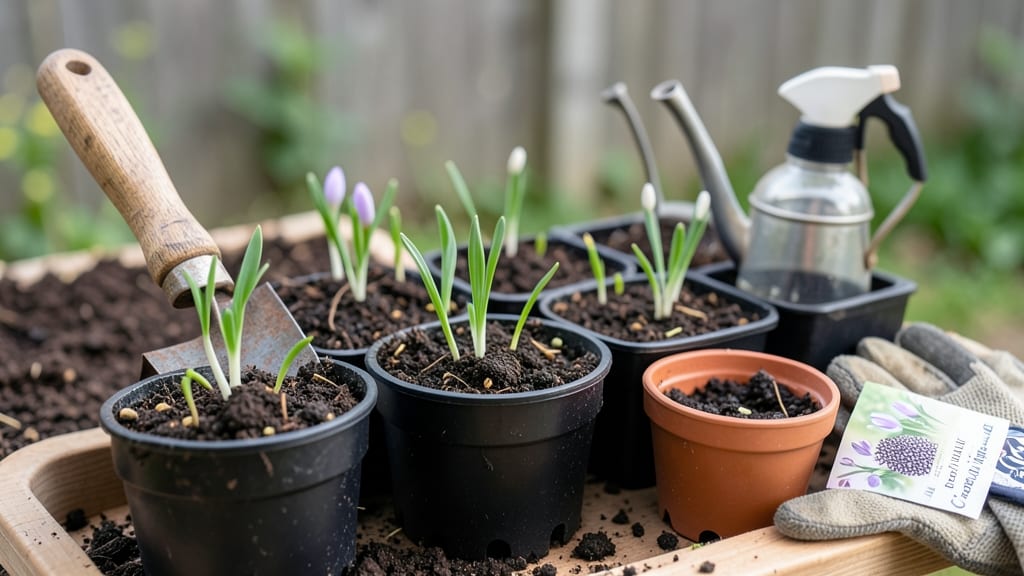
Growing a garden from crocus seed means purple spring magic without buying bulbs every year. 🌱 I planted my first batch last October and now have a naturalized patch that blooms reliably—no digging required.
The secret is patience: these tiny seeds take time, but the payoff is worth it for gardeners who love zero-waste gardening.
You'll need well-draining soil, a sunny spot, and a light touch with watering—over-moisture is the #1 killer. Plant seeds just ¼ inch deep in fall, and they'll germinate next spring. Most varieties bloom in their second year, but some surprise you with early flowers.
By year three, you'll have a self-sustaining display that multiplies naturally. The blooms attract early pollinators, and the grass-like foliage stays green all winter—proof that crocus seeds are the ultimate low-maintenance investment.
Works in containers too—just use a deep pot and watch those first shoots emerge. Here's how to make it happen without the guesswork.
📚 In This Guide
- What you need
- Instructions
- Tips and common mistakes
- Wrapping up and next steps
What you need
- ● Crocus seeds: Choose autumn-planting varieties (e.g., Crocus vernus or Crocus tommasinianus). Buy 1–2 packets (50–100 seeds) for a small garden or 3+ packets for broader coverage.
- ● Well-draining potting mix: 1–2 bags (1–2 cubic feet) of a light, sandy loam blend (avoid heavy clay). Mix in perlite or vermiculite (1 part per 4 parts soil) for aeration.
- ● Containers or garden beds: For seedlings: 4–6-inch pots (1–2 per seed) or a seed tray with cells.
- ● For transplanting: A sunny garden bed (6+ inches deep) or raised beds (if soil is poor).
- ● Organic fertilizer: Balanced 10-10-10 or bone meal (1 tbsp per sq ft) to boost root growth.
- ● Hand trowel (for planting seeds ¼–½ inch deep).
- ● Spray bottle (for gentle watering; seeds hate soggy soil!).
- ○ Garden gloves (optional but recommended for messy soil).
- ● Mulch (straw or shredded leaves): 1–2 inches to protect seeds in winter.
- ● Sunlight access: 6+ hours of direct sun daily (crocus thrives in full sun but tolerates partial shade).
- ● Patience! 🐢 Crocus seeds can take 2–3 years to bloom—plan ahead for long-term rewards.
- ● Seedling heat mat (if starting indoors in fall/winter).
- ● Grow lights (12–14 hours/day for indoor seedlings).
- ● Compost tea (for a nutrient boost before transplanting).
- ● Decorative stones (to mark seedling locations and deter pests).
Step-by-step guide to growing crocus from seed
Here's how to cultivate a vibrant garden from tiny crocus seeds—no waste, just endless blooms.
🌱 Step 1: Prepare Seeds for Maximum Germination
Crocus seeds benefit from a cold stratification process to mimic natural winter conditions. Place the seeds in a sealed plastic bag with a damp paper towel, then refrigerate for 8-12 weeks. Check them weekly—they should remain consistently moist but not soggy. This chilling period tricks the seeds into thinking winter has passed, triggering germination when you're ready to plant.
I like to label the bag with the date and variety, since some crocus types take longer to break dormancy. After stratification, leave the seeds at room temperature for 2-3 days to acclimate before planting. This gradual shift prevents shock and encourages even sprouting.
🪴 Step 2: Choose the Right Soil and Planting Location
Crocus thrives in well-draining soil with a slightly alkaline pH. Mix equal parts potting mix and coarse sand to create the ideal loose, airy medium. Fill small containers or seed trays with this blend, leaving ½ inch of space at the top for watering. Press the soil down lightly to remove air pockets without compacting it too tightly.
Sow seeds ¼ inch deep—they’re tiny, so I use a toothpick to create small holes. Space them 1 inch apart to prevent overcrowding. Place the tray in a cool, bright location (around 50-55°F) where they’ll receive indirect light for the first 4-6 weeks. Direct sunlight at this stage can scorch delicate seedlings.
☀️ Step 3: Provide Gentle Light and Moisture
Once seedlings emerge, move them to a spot with bright, filtered light for 12-14 hours daily. Avoid harsh midday sun until they develop 2-3 true leaves—this usually takes 6-8 weeks. Water gently from the bottom to prevent disturbing the roots; the soil should stay evenly moist but never waterlogged. Overwatering is the fastest way to lose seedlings, so I use a spray bottle to mist the soil lightly.
Watch for yellowing leaves, which signal overwatering, or stunted growth, which often means the light isn’t strong enough. If stems grow leggy and stretch toward the light, raise the seedlings closer to the source or supplement with a grow light placed 4-6 inches above the tray.
⏰ Step 4: Acclimate and Transplant for Outdoor Success
After 10-12 weeks, when seedlings have 4-6 leaves, it’s time to harden them off. Start by placing them outdoors in partial shade for 1-2 hours daily, gradually increasing exposure over 10-14 days. This slow transition helps them adjust to wind, sun, and temperature fluctuations without shock.
Transplant to the garden in early fall, mimicking their natural growth cycle. Space plants 3-4 inches apart in well-draining soil with full sun exposure. Mulch lightly with 1 inch of compost to retain moisture and deter weeds. The first year, blooms may be sparse, but patience pays off—mature crocus plants will reward you with vibrant spring and fall flowers for years.
🌿 Step 5: Maintain for Year-Round Blooms
Crocus is remarkably low-maintenance once established. Water deeply once a week during dry spells, but avoid soggy soil. After flowering, allow the foliage to die back naturally—this stores energy for next year’s blooms. In late summer, fertilize lightly with a balanced, slow-release fertilizer to encourage strong root growth before winter.
To extend blooming seasons, deadhead spent flowers gently (without disturbing the bulb) and plant new seeds in early fall for a staggered display. Over time, your garden will become a zero-waste crocus haven, with each generation of flowers emerging from seeds you’ve nurtured.**
Tips & tricks for perfect crocus seed growth
Here's what I learned after nurturing crocus from seed to bloom—these tricks will help you avoid common pitfalls and maximize your success.
Stratification Success: Don't rush the 8-12 week cold period—this is non-negotiable for breaking dormancy. I place a small piece of chalk on the bag corner to mark the start date, since some varieties like Crocus vernus may need the full 12 weeks while others like Crocus tommasinianus might germinate in 8. After removing from the fridge, let seeds sit at room temperature for exactly 2-3 days before planting to prevent temperature shock that could delay germination.
Soil Science: The equal parts potting mix to coarse sand ratio is crucial for preventing root rot. I sift the sand through a fine mesh screen first to remove any grit larger than 1/8 inch—this creates the perfect loose texture while still providing enough structure to support tiny seedlings. For extra insurance, I add a handful of perlite to the mix to boost drainage even further.
Lighting Strategy: That 50-55°F cool, bright location is tricky to find indoors. I use a north-facing windowsill during winter months when natural light is dim, supplemented with a 6500K LED grow light on a timer for 12-14 hours daily. The key is keeping the light source 6-8 inches above the seedlings to prevent stretching—you'll notice leaves growing toward the light if they're too far away.
Transplant Timing: The 10-12 week mark for hardening off is when you'll see the biggest difference in survival rates. I start with just 1-2 hours in partial shade on mild days (55-60°F), then gradually increase exposure. Watch for wilting—this is your plant's way of saying "too much sun too soon." If you notice this, move them back to shade immediately and try again the next day with slightly longer exposure.
Pro Tips for Crocus Seed Grow A Garden
- Here's what I learned after nurturing crocus from seed to bloom—these tricks will help you avoid common pitfalls and maximize your success.
- Stratification Success: Don't rush the 8-12 week cold period—this is non-negotiable for breaking dormancy.
- Soil Science: The equal parts potting mix to coarse sand ratio is crucial for preventing root rot.
Frequently asked questions
How long does it take for crocus seeds to germinate and bloom?
Crocus seeds can take anywhere from 3 to 6 months to germinate, depending on temperature and soil conditions. Once sprouted, they may not bloom until the second or even third year—patience is key! For faster results, opt for crocus corms (bulbs) instead of seeds, as they bloom within weeks of planting.
When is the best time to plant crocus seeds for fall blooms?
Plant crocus seeds in early to mid-summer (June–July) for fall blooms. This gives them time to establish roots before winter. If you miss this window, late summer (August) is still viable, though blooms may be delayed. Avoid planting in late fall, as seeds need warmth to germinate.
Can I grow crocus from seed in containers, or do they need garden soil?
Yes! Crocus seeds thrive in containers with well-draining soil mixed with sand or perlite. Use pots at least 6 inches deep to accommodate root growth. Place containers in a sunny spot (6+ hours of light) and keep soil lightly moist but never soggy. Overwinter containers in a cool, dark place (like a garage) to mimic dormancy.
Why aren’t my crocus seedlings sprouting? Troubleshooting tips.
If seeds aren’t germinating, check these common issues:
- Temperature: Crocus seeds need 60–70°F soil temps to sprout. Use a heat mat if your climate is too cool.
- Light: Seeds need bright, indirect light—direct sun can dry them out.
- Moisture: Keep soil consistently damp (not waterlogged) during germination.
- Patience: Some seeds take up to 6 months—don’t give up!
Are there easy alternatives to growing crocus from seed?
If seeds seem too slow, consider these low-effort alternatives:
- Crocus corms (bulbs): Plant in fall for instant blooms the next spring.
- Hybrid varieties: Some crocus types (like Crocus vernus) grow faster from seed.
- Layering: Divide and replant established crocus clumps to expand your garden.
Wrapping up and next steps
Growing crocus seeds is a rewarding way to bring vibrant, early spring color to your garden while embracing zero-waste harvesting. With the right soil, patience, and care, you’ll enjoy year-round blooms—from delicate fall blooms to lush spring foliage.
Whether you’re a beginner or a seasoned gardener, this method proves that sustainability and beauty go hand in hand!
Ready to plant your first seeds? Start small—try a sunny spot in your yard or even a cozy container—and watch your garden transform. Grab your supplies today and let nature’s magic unfold! 🌱✨