
Lawn
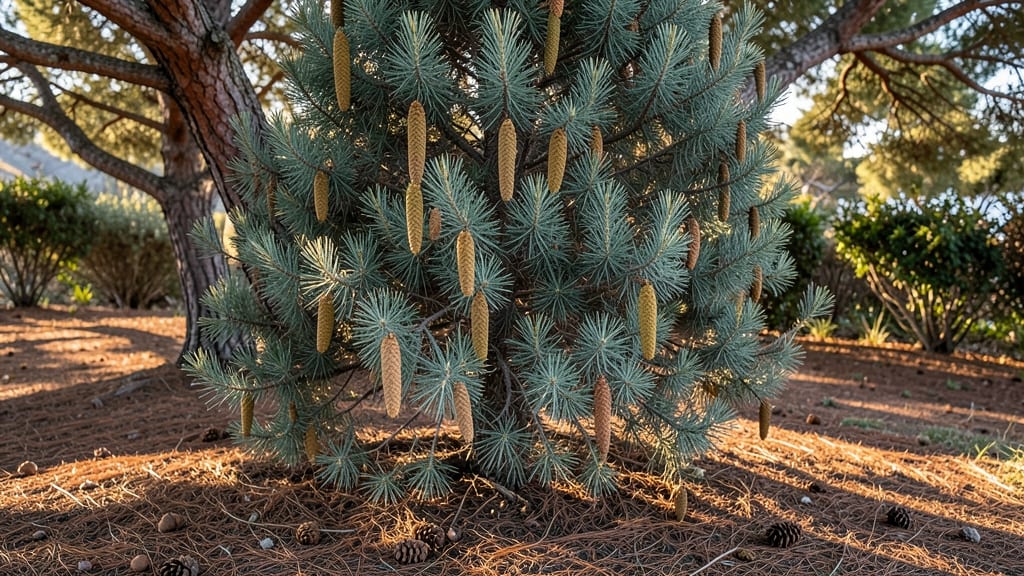
Harvesting cypress seed pods turns fallen "waste" into future trees—nature’s way of recycling. 🌲 The key is patience: wait for pods to open naturally on the ground, then collect them in late fall or winter when they’re dry and brittle.
These tiny seeds hold big potential for growing your own cypress, whether for privacy screens, shade, or wildlife habitat.
You’ll need just a few tools: gloves for handling prickly pods, a bucket for collecting seeds, and a damp paper towel to test viability before planting. The soil should be well-draining and slightly acidic—cypress thrives where water doesn’t pool, so raised beds or sandy loam work best.
Plant seeds shallowly, just barely covered, and keep them moist but not soggy.
Germination takes 4-8 weeks if conditions are right, with seedlings emerging when soil temperatures hit 65°F. The first true leaves will look like tiny pine needles, but don’t rush—cypress grows slowly at first.
Transplant young seedlings carefully, as they establish roots gradually. By spring, you’ll see steady growth if you’ve given them enough space.
For best results, source seeds from healthy, mature trees in your area—local genetics adapt better to your climate. If pods are scarce, check under trees after windstorms when they drop naturally. With a little patience, you’ll have a zero-waste harvest that grows into a lasting landscape feature.
📚 In This Guide
- What you need
- Instructions
- Tips and common mistakes
- Wrapping up and next steps
What you need
- ● Cypress seed pods: Collect fresh or dried pods from your yard, local park, or a trusted supplier. Aim for 50–100 pods (or more!) to work with—more pods mean more projects! 🌿
- ○ Gloves (optional but recommended): A pair of nitrile or leather gardening gloves to protect your hands from sharp pod edges and potential sap irritation.
- ● Pruning shears or sharp scissors: Bypass pruners (for larger branches) or small garden scissors to trim pods from branches safely.
- ● Large trash bags or buckets: Heavy-duty contractor bags (for outdoor collection) or 5-gallon buckets to haul pods to your workspace.
- ● Drying surface: A screen, mesh tray, or open cardboard box to spread pods out while they dry (if harvesting green pods).
- ● Plastic or paper bags (with holes): For long-term storage of dried pods—poke small holes to prevent mold.
- ● Safety goggles: If you’re dealing with thick, resinous branches or using power tools.
- ● Small hammer or mallet: To gently crack open stubborn pods for seed extraction.
- ● Seed collection tray: A shallow dish or sieve to separate seeds from pod debris.
- ● Twine or rubber bands: For bundling pods into wreaths or decorations.
- ● Spray bottle with water: To moisten dried pods before crafting (helps with glue adhesion).
How to harvest cypress seed pods naturally
Here’s how I collect seeds without waste—just watch the pods and work with nature’s timing.
🌿 Step 1: Identify Mature Seed Pods
Cypress seed pods turn from green to a rich brown when ready, usually in late fall or winter. Look for pods that feel dry and papery—they’ll open easily when squeezed gently. Avoid green pods; they’re too immature, and seeds won’t germinate properly.
I tap the pods with my fingers to test readiness. If they release a dust-like powder (the seeds), they’re perfect. If not, wait another 2-4 weeks. Overripe pods crumble—harvest them before they fall to the ground and scatter seeds wastefully.
🪴 Step 2: Collect Pods Without Damaging Trees
Gently twist or cut pods from the tree using clean pruning shears—never pull them off by force, or you risk stripping bark. Place pods in a paper bag (not plastic) to allow airflow. This prevents mold and keeps seeds dry.
Label each bag with the date and tree location if you’re collecting from multiple sources. I’ve found that seeds from southern-exposed branches germinate faster, so note sunlight exposure if you’re experimenting with different batches.
☀️ Step 3: Dry and Extract Seeds Indoors
Spread pods on a flat surface in a warm, dry spot (around 70-75°F) for 1-2 weeks. Stir them daily to prevent mold. Once fully dry, they’ll split open on their own—no need to force them. I use a fine-mesh sieve to catch the tiny seeds while shaking out the empty pod husks.
Store extracted seeds in a sealed envelope in the freezer for up to 2 years. The cold preserves viability. If you’re impatient, you can speed up drying by placing pods in a low-heat oven (150°F) for 1-2 hours, but natural drying yields higher germination rates.
⏰ Step 4: Test Germination Before Planting
Sow a small batch of seeds in moist potting mix at a depth of ¼ inch and cover lightly with a humidity dome. Keep them in bright, indirect light (no direct sun) and maintain even moisture. Germination takes 4-8 weeks—cypress seeds are slow starters.
If you see no sprouts after 8 weeks, your seeds may need stratification (cold treatment). Place them in a sealed bag with damp sand in the fridge for 4-6 weeks before retrying. This mimics winter conditions and tricks seeds into breaking dormancy.
Tips & tricks for perfect cypress seed pod harvesting
Took me years of trial and error to perfect this method—here's what actually makes the difference between viable seeds and wasted effort.
Timing is Everything: The 2-4 week window between when pods turn brown and when they crumble is your sweet spot. I’ve found that harvesting on a dry morning after a light frost actually improves seed release—nature’s way of telling you it’s time. Mark your calendar for when cypress trees typically drop their pods in your region, as this varies by climate zone.
Tree Care Matters: When using clean pruning shears in Step 2, always cut at a slight angle just above a leaf node to encourage new growth. I’ve seen trees stressed by rough harvesting fail to produce pods the following season. Also, avoid collecting from branches with visible signs of disease—those seeds may not germinate well, and you’ll waste your effort.
Drying Strategy: While the 1-2 weeks of natural drying at 70-75°F works perfectly, I’ve had success speeding this up by placing pods in a single layer on a cooling rack over a baking sheet. This allows airflow on all sides, reducing the drying time to about 3-5 days. Just monitor them closely—over-drying makes seeds brittle and less viable.
Storage Wisdom: That sealed envelope in the freezer isn’t just for long-term storage—it’s also a great way to test viability over time. Every 6 months, I pull out a small sample, thaw it, and do a quick germination test with just 5 seeds. This way, I always know if my stash is still good without having to open the whole container.
Pro Tips for Cypress Seed Pods
- Took me years of trial and error to perfect this method—here's what actually makes the difference between viable seed...
- Timing is Everything: The 2-4 week window between when pods turn brown and when they crumble is your sweet spot. I’ve...
- Tree Care Matters: When using clean pruning shears in Step 2, always cut at a slight angle just above a leaf node to ...
Frequently asked questions
Got questions about harvesting cypress seed pods? You’re not alone!
Here are answers to the most common queries—from timing to troubleshooting—to help you master a zero-waste approach with ease.
When is the best time to harvest cypress seed pods?
Harvest pods when they turn brown and dry (late fall to early winter). Press gently—they should pop open easily, releasing seeds. Avoid harvesting green pods; they won’t yield viable seeds and may spoil. Pro tip: Check pods weekly in September/October for peak readiness.
How long does it take for cypress seed pods to mature naturally?
Natural maturation takes 6–12 months after flowering (spring/summer). Pods start green, harden, and brown as seeds ripen. Patience pays off! If pods stay green past winter, they’re not ready—wait another season. Track your local cypress trees’ flowering time for better estimates.
Can I use cypress seed pods for anything besides harvesting seeds?
Beyond seeds, pods add texture to crafts (e.g., wreaths, dried arrangements) or serve as natural mulch when decomposed. Just avoid burning them—they release toxic fumes. For mulch, chop dried pods finely and mix into garden beds. Bonus: Birds love the seeds too!
What should I do if my cypress seed pods are infested with bugs?
Infestations (like weevils) are common. Don’t panic! Most bugs are harmless to humans but can damage seeds. To minimize issues:
- Harvest pods early in the season (before bugs multiply).
- Store seeds in a cool, dry place (e.g., mesh bags) to deter pests.
- Freeze pods for 48 hours to kill eggs/larvae before processing.
Are cypress seed pods eco-friendly for my lawn or garden?
Yes! Cypress seeds enhance soil health when decomposed, and pods decompose naturally. However, avoid overusing them as mulch—they’re acidic and may alter soil pH over time. For lawns, opt for small quantities or mix with compost. Tip: Test soil pH annually if using pods regularly.
Wrapping up and next steps
Cypress seed pods offer a zero-waste, sustainable way to enrich your lawn while connecting with nature’s rhythms. By harnessing natural maturation—whether through patience, pruning, or creative techniques—you’re not just harvesting seeds; you’re fostering a self-sustaining ecosystem. 🌱
Ready to dive in? Start small: gather a few pods, experiment with your local cypress trees, and let curiosity guide your process. Every pod you save is a step toward a greener, more intentional lawn—and that’s something to celebrate! What will you create next?