
Lawn
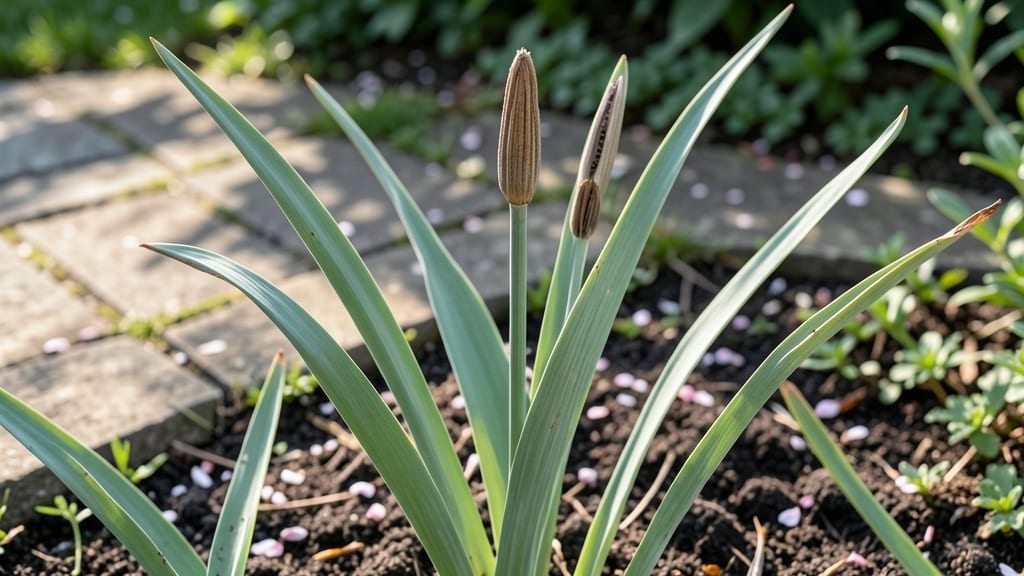
Harvesting daffodil seed pods without the dreaded twist-off battle is simpler than you think. 🌱 The key is knowing exactly when and how to collect them—before they turn into stubborn, dried-up puzzles that resist your fingers.
I’ve spent years wrestling with these pods, and the right timing makes all the difference.
These pods form after your daffodils bloom, starting as soft, green husks that eventually harden into woody shells. The best time to harvest is when they’re light brown and slightly papery, usually 6-8 weeks after flowering.
Twisting too early means unripe seeds; waiting too long means the pods split open on their own, scattering seeds everywhere.
Once you’ve got them, crack them open carefully—no prying or forcing—to reveal the flat, black seeds inside. These seeds are finicky about germination, taking 12-18 months to sprout, but the wait is worth it for rare hybrids.
Store them in a cool, dry place until planting season, and don’t expect miracles: only about 10% will actually grow.
Here’s the truth: seed-grown daffodils are a gamble, but the thrill of discovering a new color or form makes it worthwhile. For reliable blooms, stick with bulbs—but if you’re curious, these pods hold the secret to your garden’s next surprise. Ready to try?
📚 In This Guide
- What you need
- Instructions
- Tips and common mistakes
- Wrapping up and next steps
What you need
- ● Daffodil seed pods: Fully mature, brown pods (after blooms fade and foliage yellows). Aim for at least 10-15 healthy pods for viable seeds.
- ● Pruning shears or sharp scissors: Clean, sterilized tools to snip pods without damaging stems.
- ● Paper bags or breathable mesh bags: 2-3 medium-sized bags (labeled with pod collection dates) for drying.
- ○ Gloves (optional but recommended): Protect your hands from sap or sharp edges.
- ● Labeling tags & permanent marker: To track pod sources (e.g., "Yellow Trumpet, 2024").
- ● Small hand trowel: Helps dig up stubborn pods if they’re low to the ground.
- ● Spray bottle with water: Lightly mist pods to prevent premature seed release.
- ○ Fine-mesh sieve or strainer: Optional but handy for separating seeds from chaff later.
- ● Notebook or app: Log pod characteristics (color, size, parent plant traits) for future reference.
- ● Wait until foliage turns yellow/brown (typically 6-8 weeks after blooming)—this signals seed maturity.
- ● Choose a dry, overcast day to avoid crushing pods or attracting pests.
- ● Ensure pods are fully dry and papery (squeeze gently—if they’re still green, wait longer!).
How to harvest daffodil seed pods without the twist struggle
Here's the method that saves your hands—and your patience—when collecting those stubborn seed pods.
🌱 Step 1: Wait for the Right Time
Harvest pods only after the foliage has completely yellowed and died back naturally. This usually happens 6-8 weeks after flowering, when the pods turn a papery brown. If you pick too early, the seeds won't mature properly. I always wait until I can gently shake a pod and hear seeds rattling inside—that's your signal.
Don't be tempted to harvest when pods are still green. The seeds inside won't be viable, and you'll waste time on immature pods. If you're unsure, wait another week. Patience here means better germination rates later.
✂️ Step 2: Snip with Clean Pruners
Use sharp, clean pruners to cut the entire seed pod from the stem. Hold the pod gently but firmly—you want to avoid crushing it while cutting. I like to make the cut about ½ inch below the pod to include a small portion of the stem. This extra length makes handling easier later.
Never twist or pull pods off by hand. That's how you end up with broken stems and scattered seeds. A clean cut ensures the whole pod stays intact for easy seed extraction. If your pruners are dull, sharpen them first—struggling with the cut will damage the pods.
🪴 Step 3: Dry and Store the Pods
Lay the harvested pods on a paper towel-lined tray in a dry, shaded spot for 7-10 days. Turn them occasionally so they dry evenly. You'll know they're ready when the outer casing feels brittle and the seeds rattle loudly when shaken. I keep mine in a cool, dark place to prevent mold—don't let them sit in direct sunlight.
Once fully dry, store the pods in a paper bag (not plastic) in a cool, dry place. The paper allows airflow while keeping pests out. Label each bag with the variety and harvest date. Seeds stay viable for 1-2 years when stored properly, so don't rush to plant them right away.
💧 Step 4: Extract and Plant Seeds
When ready to plant, gently squeeze each dried pod between your fingers over a bowl. The seeds will pop out easily once fully mature. You'll get 4-6 seeds per pod, so a single plant can give you enough for multiple locations. I always count them to track how many I have—it's easy to lose track when they're so small.
Sow seeds immediately in well-draining soil at a depth of ½ inch. Daffodil seeds need cold stratification to germinate, so plant them in fall or stratify them in the fridge for 8-12 weeks before spring planting. Don't rush this step—proper stratification is what ensures strong, healthy seedlings.
Tips & tricks for perfect daffodil seed pod harvesting
Took me years to figure out these little tricks that make harvesting daffodil seed pods feel like a breeze instead of a battle.
Timing is Everything: The 6-8 week window after flowering is non-negotiable for viable seeds. I learned this the hard way after trying to harvest green pods—those seeds were tiny, shriveled, and wouldn't germinate. Mark your calendar after the daffodils bloom to remember when to check for that papery brown color and seed rattle.
Tool Prep Matters: Your pruners are your best friend here. Before you even approach the plants, sharpen your blades and wipe them with rubbing alcohol. Dull pruners will crush pods and make clean cuts impossible. I keep a small bottle of rubbing alcohol in my gardening toolkit specifically for this purpose—it takes seconds and saves hours of frustration later.
Drying Strategy: Those 7-10 days of drying might feel like forever, but rushing this step is what leads to moldy pods. I've found that placing a small fan on low near the drying tray (about 6 inches away) speeds up the process by 2-3 days without creating drafts that could scatter seeds. Just make sure the airflow isn't too strong—you want gentle circulation, not a wind tunnel.
Storage Wisdom: Paper bags aren't just for convenience—they're essential for preventing moisture buildup that leads to mold. I've tried plastic bags before and always ended up with moldy seeds. For extra protection, I place a silica gel packet inside each bag (the kind you get in shoe boxes). These little packets absorb any moisture that might sneak in, keeping your seeds viable for that full 1-2 year window.
Pro Tips for Daffodil Seed Pods
- Took me years to figure out these little tricks that make harvesting daffodil seed pods feel like a breeze instead of a battle.
- Timing is Everything: The 6-8 week window after flowering is non-negotiable for viable seeds.
- Tool Prep Matters: Your pruners are your best friend here.
Frequently asked questions
Got questions about harvesting and handling daffodil seed pods? You’re not alone—these little pods can be tricky! Here are the most common queries (and their answers) to help you navigate the process like a pro.
When is the best time to harvest daffodil seed pods?
Harvest seed pods after they’ve fully matured but before they split open—usually 6–8 weeks after flowering. Look for pods that turn brown and feel dry to the touch. If they’re still green, wait a few more days. Pro tip: Morning harvests prevent dew from making pods too damp!
How long does it take for daffodil seed pods to dry completely?
Drying time varies, but most pods are ready in 2–4 weeks indoors. Spread them in a single layer on a mesh screen or paper towels in a cool, dry, well-ventilated spot (like a garage or basement). Avoid direct sunlight—it can cause cracking. Patience pays off!
What do I do if my seed pods won’t open on their own?
If pods stay stubbornly closed, gently twist or roll them between your palms to coax them open. Avoid force—you don’t want to damage the seeds inside! If they’re still sealed, they may need more drying time. Alternative trick: Place them in a paper bag for 24 hours to speed up the process.
Can I save seeds from store-bought daffodils?
Probably not! Most commercial daffodils are hybrids bred for beauty, not seed viability. If you want reliable seeds, grow species daffodils (like Narcissus poeticus) or save seeds from open-pollinated varieties. Check the label—if it says “hybrid,” skip the seed-saving step!
How do I store daffodil seeds until planting?
Clean seeds thoroughly, let them dry completely, then store them in a paper envelope or breathable container in a cool, dark place (like a fridge). They’ll stay viable for 1–2 years. Label them! Daffodil seeds are tiny, and next year’s you might forget what you planted. Bonus: Add a moisture absorber (like silica gel) to prevent mold.
Why are my seed pods moldy or rotting?
Mold or rot usually means too much moisture during drying. Move pods to a drier location immediately and separate any affected pods to prevent spread. If mold is severe, discard the batch—contaminated seeds won’t grow. Prevent future issues by harvesting pods sooner (when they’re still firm) and avoiding humid storage spots.
Wrapping up and next steps
Harvesting daffodil seed pods doesn’t have to be a twist-filled struggle—with the right tools and techniques, you can collect them easily and efficiently. Whether you’re saving seeds for propagation or simply tidying up your garden, patience and gentle handling are key.
Now that you’re equipped with the know-how, why not put it into action? Grab your gloves, pick a sunny day, and enjoy the rewarding process of nurturing your garden’s next generation of blooms! 🌱✨
Ready to share your success? Tag us in your photos or drop a comment below—we’d love to see your daffodil seed pods in action!