
Lawn
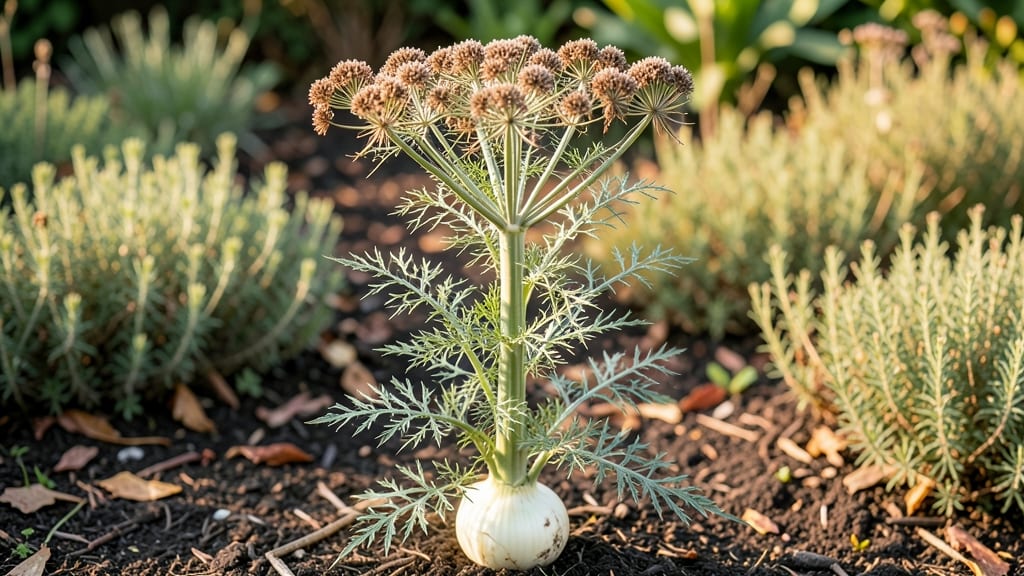
Harvesting fennel seed heads doesn’t have to mean wrestling with stubborn stems—there’s a smarter way. 🌿 I’ve spent years growing fennel, and the secret to effortless seed collection starts with how you nurture the plant from the beginning.
The right sunlight, soil, and spacing transform those tricky seed heads into a breeze to harvest, with minimal fuss.
Fennel thrives in full sun and well-drained soil, but the real magic happens when you give it space to grow tall and sturdy. Plant seeds 12–18 inches apart, and keep the soil consistently moist (but not soggy) until the plants mature.
Once the seed heads form, avoid cutting them too early—wait until they turn a rich golden-brown, signaling they’re ready for harvest. This patience pays off with seeds that store well and sprout reliably.
When the time comes, simply twist the seed head at the base and let it dry in a paper bag for a few days. The seeds will rattle free, ready for culinary use or to sow next season.
You’ll end up with a harvest that’s not only stress-free but also packed with flavor and potential—think homemade fennel pollen, spiced dishes, or fresh starts for your garden.
Even if you’ve struggled with fennel before, these simple adjustments make all the difference. The key is consistency: watering, spacing, and timing. Once you master it, you’ll wonder why you ever fought with those stubborn stems in the first place.
📚 In This Guide
- What you need
- Instructions
- Tips and common mistakes
- Wrapping up and next steps
What you need
- ● Fresh fennel plants: Mature plants with fully developed seed heads (typically 6–12 months old). Aim for 3–5 plants for a bountiful harvest.
- ● Pruning shears or sharp scissors: 1 pair with clean, sharp blades (sterilize with rubbing alcohol if reusing).
- ● Paper bags or breathable fabric sacks: 5–10 bags (1–2 per plant) to store seed heads while drying. Opt for kraft paper or muslin for airflow.
- ○ Rubber gloves: 1 pair (optional but recommended to avoid sap irritation).
- ● Twine or rubber bands: Small rolls to bundle seed heads for drying.
- ● Drying rack or screen: Elevates seed heads off surfaces to prevent mold.
- ● Food processor or mortar & pestle: For cracking dried seeds later.
- ● Labeling tags: To mark harvest dates or plant varieties.
- ● Sunhat & sunscreen: Because harvesting in the garden calls for all the protection! ☀️
Step-by-Step guide to harvesting fennel seed heads
Here's how to collect fennel seeds without the frustrating twist-and-pull battles.
🌿 Step 1: Identify Mature Seed Heads
Wait until the fennel stalks develop brown, papery seed heads that look like dried-up umbrellas. These appear after the plant flowers and the blooms turn yellowish-brown. Gently squeeze a seed head—if it releases tiny, aromatic seeds easily, it's ready. If you're unsure, cut one open to check for mature seeds.
Harvest on a dry morning after dew has evaporated. This prevents moisture from making the stems slippery and hard to handle. I like to work with fresh fennel plants because the seed heads stay attached longer when the plant is hydrated but not soggy.
✂️ Step 2: Cut the Seed Heads Properly
Use clean, sharp pruning shears to snip the seed head 1-2 inches below the base of the head. This leaves a clean cut that won't tear the stalk. Avoid tugging or twisting—the stems are fibrous and can snap, leaving the head behind. If you're harvesting multiple heads, work from the outside in to avoid damaging the center stalks.
Place the cut heads in a paper bag immediately. The bag lets seeds drop naturally while keeping them contained. Hang the bag upside-down in a dry, well-ventilated spot for 1-2 weeks to finish drying. This is where patience pays off—rushing leads to immature seeds that won't store well.
🌱 Step 3: Dry and Store the Seeds
After 1-2 weeks of drying, shake the bag gently over a clean surface to release the seeds. Remove any remaining plant debris by hand or with a fine-mesh strainer. Store the seeds in an airtight glass jar in a cool, dark place. Properly dried fennel seeds can last 2-3 years without losing potency.
Here's the thing—if you notice any mold or musty smells during storage, your seeds weren't dry enough. Start over with fresh heads. The goal is crisp, dry seeds that smell sweetly of anise when crushed between your fingers.
💧 Step 4: Prepare the Plant for Next Year
After harvesting, you can leave the fennel stalks in the ground as mulch or compost. Their fibrous roots break down slowly, enriching the soil. If you're growing fennel in containers, remove the entire plant and compost it. Don't toss it—those roots are packed with nutrients.
Real talk: if you're growing fennel for seeds, save the best-performing plants. Their offspring tend to produce even better seed heads. Just be sure to keep them isolated from other fennel varieties to maintain purity.
⏰ Step 5: Time Your Harvest for Peak Flavor
For the most flavorful seeds, harvest in late summer to early fall when the plant has fully matured. Early harvests yield less potent seeds. Watch for the seed heads to turn completely brown and dry out naturally. If you miss the window, you can still harvest, but the seeds may lack the deep anise flavor.
This is the moment that matters: when the seeds are fully mature but before they scatter on their own. A little planning now means a pantry full of homegrown fennel seeds for years to come.
Tips & tricks for perfect fennel seed harvesting
These simple tricks will make your fennel seed harvesting effortless and frustration-free.
Timing Secret: The dry morning window in Step 1 is your golden opportunity. Dew makes stems slippery, so wait until the sun has fully dried the plants. I've learned this the hard way—wet stems twist like overcooked spaghetti, making clean cuts nearly impossible. If you must harvest in the evening, let the plants sit in direct sunlight for at least 2 hours beforehand to evaporate any lingering moisture.
Equipment Upgrade: While pruning shears work perfectly for Step 2, I've found that a small serrated knife works even better for stubborn stems. The serrations grip the fibrous stalks better than shears, preventing those frustrating snaps that leave heads behind. Just be sure to sterilize your knife between cuts to avoid cross-contamination.
Drying Strategy: That 1-2 week drying period in Step 3 is non-negotiable for flavor and storage life, but you can speed things up slightly by placing your paper bag in a warm, dry spot—like near a sunny window (not direct sunlight) or above a radiator. Just monitor closely to prevent overheating, which can scorch the seeds. A gentle shake every few days helps release seeds faster while maintaining quality.
Storage Wisdom: For maximum freshness after Step 3, consider dividing your seeds into smaller portions before storing in your airtight glass jar. This way, you can open and close the jar less frequently, preserving the seeds' potency longer. I like to use small glass vials for single-use portions—perfect for sprinkling over dishes without exposing the whole jar to air each time.
Pro Tips for Fennel Seed Heads
- These simple tricks will make your fennel seed harvesting effortless and frustration-free.
- Timing Secret: The dry morning window in Step 1 is your golden opportunity.
- Equipment Upgrade: While pruning shears work perfectly for Step 2, I've found that a small serrated knife works even better for stubborn stems.
Frequently asked questions
Got questions about harvesting fennel seed heads? You’re not alone! Here are some of the most common queries—and their easy answers—to help you avoid frustration and maximize your yield.
How do I know when fennel seed heads are ready to harvest?
Fennel seed heads are ready when they turn a golden-brown color and the seeds rattle inside when shaken gently. This usually happens 8–10 weeks after flowering. If you wait too long, the seeds may scatter or lose potency. Harvest on a dry day for the best results!
Why are my fennel seed heads twisting or splitting?
Twisting or splitting is normal as the seed heads mature—they’re releasing seeds! To prevent premature loss, harvest early (when seeds are still greenish-brown) or cover the heads with a paper bag tied loosely around the stem. This traps seeds while allowing airflow.
How long does it take for fennel seed heads to form?
From planting to seed maturity, fennel typically takes 120–150 days, depending on your climate. If you’re growing from seed, expect flower stalks to appear in 60–90 days. Patience pays off—rushing can mean fewer seeds!
Can I harvest fennel seeds if I don’t have a garden?
Buy organic fennel bulbs from a grocery store or farmers’ market, let them bolt, and watch for seed heads. Alternatively, purchase dried fennel seeds from health stores or online—just check the label for freshness (ideally harvested the same year).
What do I do if my fennel seed heads get moldy or damp?
Mold or dampness happens if seed heads stay wet. To fix it, harvest immediately and dry them in a well-ventilated area (like a mesh bag in sunlight). Avoid high humidity—aim for 50–60% humidity and spread heads on a tray. Discard any moldy sections to prevent spoilage.
Wrapping up and next steps
Harvesting fennel seed heads doesn’t have to be a frustrating puzzle—with the right tools and techniques, you can turn it into a rewarding, stress-free task! 🌿 Whether you’re drying seeds for culinary use or simply enjoying the beauty of your garden, mastering the art of harvesting ensures a bountiful yield without the twisty struggles.
Now that you’re equipped with answers to common questions and a clear step-by-step guide, it’s time to put your knowledge into action.
Start by selecting a sunny day to harvest, gather your tools, and follow the simple steps outlined above. Before you know it, you’ll be savoring the aromatic benefits of homegrown fennel seeds—one seed head at a time! Happy harvesting! 🌟