
Lawn
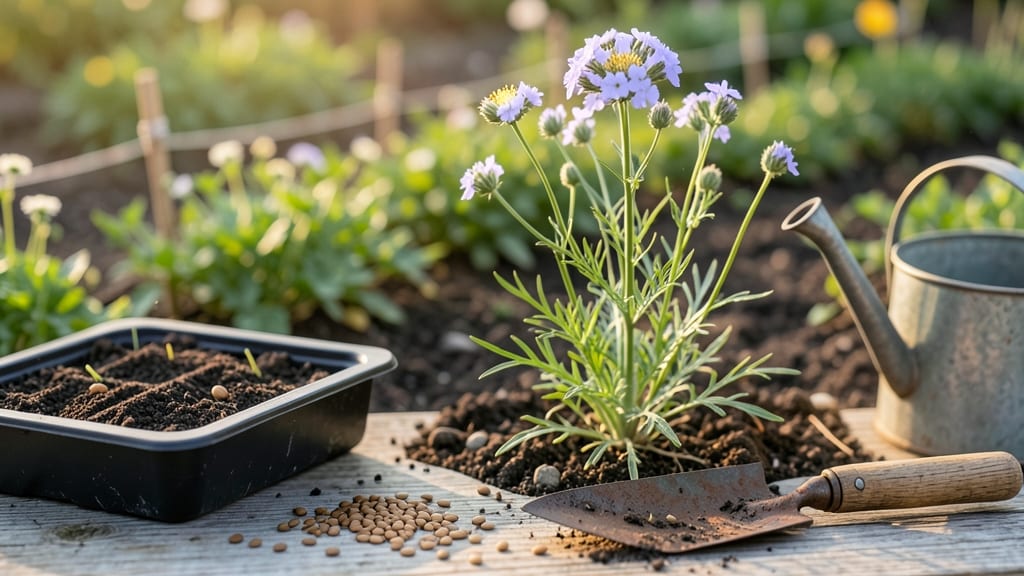
Planting flax seeds unlocks a zero-waste harvest you can store for years—whether for golden oil, sturdy fiber, or delicate blooms. 🌱 I’ve grown flax in both garden beds and containers, and the key to success lies in timing, soil, and patience.
The seeds need cool temperatures to germinate, so aim for early spring or late summer planting in most climates.
Start with loose, well-draining soil mixed with compost—flax hates soggy roots. For outdoor beds, space seeds 12-18 inches apart in rows 12 inches apart, or scatter them thinly in containers. Plant just ¼ inch deep, as they need light to sprout.
Keep the soil evenly moist but never waterlogged, and watch for those first pale green shoots in 7-14 days.
Once established, flax thrives on neglect—just water during dry spells and watch it grow 3-4 feet tall in 80-100 days. The stems stay upright and sturdy, perfect for harvesting seeds or fiber.
If you let some plants flower, their delicate blue blooms attract pollinators and add beauty to the garden.
After harvesting, you can store seeds in a cool, dark place for years—no waste, just rewards. Whether you’re growing for oil, fiber, or ornamentals, flax delivers. Ready to try? Here’s how to get started without a single misstep.
📚 In This Guide
- What you need
- Instructions
- Tips and common mistakes
- Wrapping up and next steps
What you need
- ● Flax seeds: 1–2 lbs (organic, non-GMO preferred for best viability).
- ● Well-draining soil: Loamy or sandy soil with a pH of 6.0–7.5 (test kit recommended).
- ● Compost or organic fertilizer: 5–10 lbs per 100 sq. ft. (balanced 10-10-10 or flax-specific blend).
- ● Watering can or hose: With a fine spray nozzle for gentle irrigation.
- ○ Garden twine or stakes: (Optional but helpful for tall varieties).
- ● Garden trowel or transplanting tool: For sowing seeds ½ inch deep.
- ● Rake or hoe: To loosen soil and remove weeds.
- ● Pruners or scissors: For harvesting mature stalks.
- ○ Drying rack or mesh screen: For post-harvest seed drying (optional but ideal for storage).
- ○ Gloves (optional): To protect hands from prickly stalks.
- ● Sunlight: Full sun (6–8 hours daily) for optimal growth.
- ● Climate: Cool-season crop (plant in early spring or late summer for best results).
- ● Space: 12–18 inches between rows (or 6–12 inches apart for bush varieties).
- ● Patience: 90–120 days to maturity!
How to plant flax seeds for sustainable year-round harvest
Here's my tested method for growing flax with minimal waste—perfect for home storage and zero-waste living.
🌱 Step 1: Prepare the Soil for Optimal Germination
Flax thrives in loose, well-draining soil with a pH between 6.0 and 7.5. I start by tilling the top 6 inches of soil to break up compaction, then mix in 2 inches of compost to boost organic matter. Flax roots are shallow, so deep tilling isn't necessary—just ensure the top layer is crumbly and airy.
Work in a handful of bone meal (about 1 tablespoon per square foot) to provide phosphorus for strong root development. This step is critical—flax seeds germinate best when soil temperatures reach 50°F or warmer, so wait until spring frost has passed before planting. A soil thermometer helps here; I always check in the morning for accuracy.
🌱 Step 2: Plant Seeds at the Correct Depth and Spacing
Sow seeds ¼ inch deep in rows spaced 12 inches apart. I use a small hand rake to create shallow furrows, then drop seeds every 3 inches along the row. Press them lightly into the soil—too-deep planting delays germination, while shallow planting risks drying out. A gentle watering with a fine spray nozzle settles the seeds without displacing them.
Thin seedlings to 6 inches apart once they reach 2 inches tall, using scissors to cut rather than pull to avoid disturbing roots. The thinned seedlings can be transplanted elsewhere or used in salads. Here's the thing—flax grows best in cool weather, so aim for a spring planting when daytime temperatures hover around 65-70°F.
☀️ Step 3: Maintain Moisture and Monitor for Pests
Keep soil consistently moist but never soggy—flax is drought-tolerant once established, but young plants need 1 inch of water per week. I water deeply in the morning to reduce evaporation and fungal risks. Watch for flax rust (orange spots on leaves) or aphids, which are common. Neem oil spray works well for both; apply when leaves are dry to avoid burning.
Flax matures quickly—60-70 days to harvest—so stay vigilant. You'll know it's time to harvest when most pods turn golden-brown and rattle when shaken. Cut stems with 4 inches of stalk remaining to allow for drying. Bundle stems and hang upside down in a dry, well-ventilated area for 2-3 weeks until seeds rattle freely inside the pods.
✂️ Step 4: Harvest and Store Seeds for Long-Term Use
Once pods are fully dry, rub them between your hands or use a clean cloth to separate seeds. Store seeds in airtight glass jars in a cool, dark place—they'll stay viable for up to 2 years. For zero-waste flaxseed oil, crush dried seeds in a clean mortar and pestle, then press through a fine cloth. The oil keeps for 6 months refrigerated.
Don't skip the drying process—moist seeds spoil quickly. I label jars with the harvest date to track freshness. This method ensures you'll always have homegrown flax for baking, smoothies, or oil without store-bought waste. The best part? You can replant saved seeds for next year's crop.
Tips & tricks for perfect flax seed planting
These practical insights will help you maximize your harvest and avoid common pitfalls in growing flax sustainably.
Soil Preparation Insight: The 6.0-7.5 pH range is crucial for flax germination, but don't stress over achieving exact numbers. A simple soil test kit from your local garden center will give you precise readings. If your soil tests acidic, mix in wood ash (about ½ cup per square foot) to raise the pH naturally—flax responds well to this organic amendment. For alkaline soil, work in sphagnum peat moss instead. The key is creating that crumbly, aerated texture in the top 6 inches where those shallow roots will thrive.
Planting Precision: When creating those ¼-inch deep furrows in Step 2, use the back of a spoon or a small trowel to make clean, even lines. I find marking the 12-inch row spacing with a garden hose laid flat on the ground helps maintain straight rows without measuring constantly. After planting, give seeds a light misting with water—this settles them gently without disturbing their placement. Too-deep planting delays germination by up to 10 days, while shallow planting can expose seeds to drying out before sprouting.
Harvesting Timing: The golden-brown pods that rattle when shaken are your clear harvest signal, but don't wait until every single pod has turned—some natural variation is normal. Cut stems with 4 inches of stalk remaining to allow proper drying without lodging. Bundle stems in small groups (about 20-30 stems per bundle) for even air circulation during the 2-3 week drying period. Hang bundles in a well-ventilated barn or garage where temperatures stay between 60-70°F—this prevents mold while ensuring thorough drying.
Storage Wisdom: For maximum viability, store your dried seeds in amber glass jars (they block more light than clear glass) and keep them in a root cellar or refrigerator if you live in a humid climate. The 2-year shelf life assumes proper drying and storage—test a small batch after 18 months by planting to check germination rates. For flaxseed oil extraction, use a clean cotton cloth instead of paper towels to press the seeds, as paper fibers can contaminate the oil. The 6-month refrigerated shelf life applies only to freshly pressed oil—store in a dark bottle to prevent oxidation.
Pro Tips for Flax Seed Planting
- These practical insights will help you maximize your harvest and avoid common pitfalls in growing flax sustainably.
- Soil Preparation Insight: The 6.0-7.5 pH range is crucial for flax germination, but don't stress over achieving exact numbers.
- Planting Precision: When creating those ¼-inch deep furrows in Step 2, use the back of a spoon or a small trowel to make clean, even lines.
Frequently asked questions
Got questions about growing your own flax seeds?
Here are answers to the most common ones—so you can plant with confidence and harvest like a pro!
When is the best time to plant flax seeds for home harvest?
Flax thrives in cool weather! Plant seeds 4–6 weeks before your last frost in spring (around March–April in most U.S. zones) or 8–10 weeks before your first frost in fall (September–October). Avoid planting in scorching heat—flax bolts (goes to seed) quickly when stressed by heat.
How long does it take for flax seeds to mature after planting?
From seed to harvest, flax takes 80–100 days in ideal conditions. Watch for tan or golden-brown seed pods—they’ll rattle when ripe! Harvest before they shatter (usually late summer/early fall). Pro tip: Cut stems in the morning for maximum seed yield.
Can I plant flax seeds in containers or do they need a garden bed?
Flax grows well in containers (12"+ depth) or garden beds with well-draining soil. Just ensure they get full sun (6+ hours/day) and space plants 6–12 inches apart. Containers work great for small batches—perfect for urban gardeners!
What pests or diseases should I watch for when growing flax?
Flax is generally pest-resistant, but keep an eye out for aphids, cutworms, or fungal issues (like rust) in damp conditions. Preventative tip: Space plants for airflow and remove weeds. If aphids appear, spray with soapy water or introduce ladybugs. Rotate crops yearly to avoid soil-borne diseases.
How do I store harvested flax seeds for long-term use?
Store seeds in a cool, dark, dry place (like a glass jar with an airtight lid) for up to 1 year. For longer storage, freeze seeds in vacuum-sealed bags. Zero-waste hack: Use dried stalks for compost or craft projects—nothing goes to waste!
Wrapping up and next steps
Growing your own flax seeds is a rewarding way to enjoy fresh, nutrient-rich harvests while minimizing waste—and you’re now equipped with everything you need to succeed! 🌱 From selecting the right soil to storing seeds for year-round use, each step ensures a thriving crop and a sustainable yield.
Start small, experiment with your space, and soon you’ll be reaping the benefits of homegrown flax—whether for health, cooking, or eco-friendly projects.
Ready to take the next step? Plant your first batch this season, document your progress, and share your flax-growing journey with fellow gardeners. Happy planting—and may your harvest be bountiful! 🌟