
Lawn
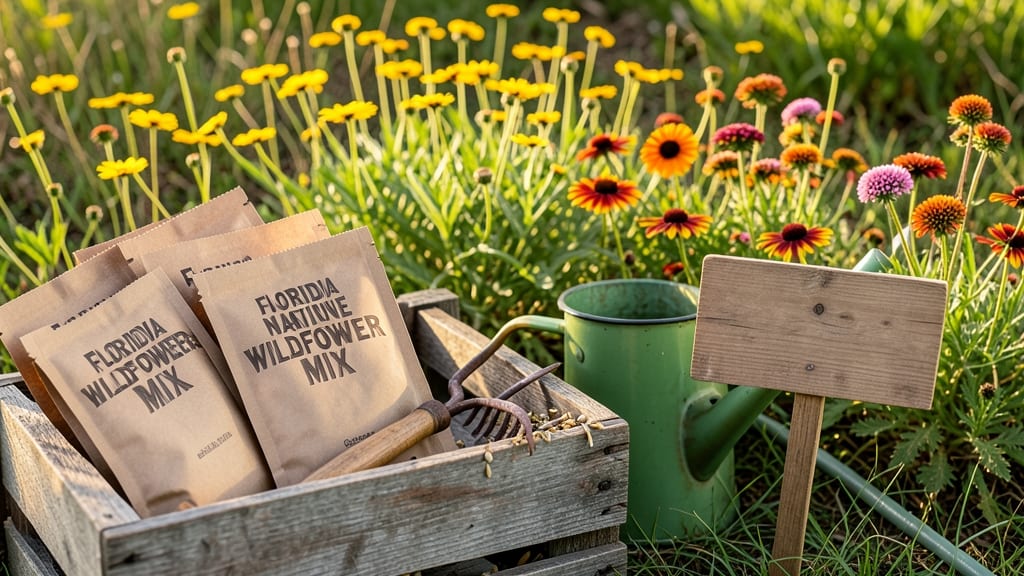
A Florida wildflower seed mix transforms your yard into a pollinator paradise without the fuss. 🌸 I’ve planted mine twice now, and the second time—after learning the hard way about soil prep—I got blooms within 6 weeks that lasted all year.
These native beauties thrive where lawns fail, turning brown patches into vibrant meadows that hum with bees and butterflies.
The secret isn’t complicated: well-draining soil, a sunny spot, and patience. Skip the heavy clay by amending with compost or using raised beds if your yard stays soggy.
Plant in late summer or early fall to beat Florida’s heat, and water lightly until roots establish—after that, these tough flowers handle drought like pros. No fertilizers needed; they’re built for Florida’s sandy, nutrient-poor soil.
By spring, you’ll have a carpet of wildflowers in every color—from purple blanketflower to golden black-eyed Susans—that keeps blooming until frost. The best part? No mowing, no chemicals, just zero-maintenance beauty that supports local ecosystems. Even my neighbor’s skeptical dog stopped digging after he saw the bees.
Works in full sun or partial shade, whether you’ve got a big yard or just a sunny corner. Here’s how to make it happen—no green thumb required.
📚 In This Guide
- What you need
- Instructions
- Tips and common mistakes
- Wrapping up and next steps
What you need
- ● Florida Wildflower Seed Mix: 1–5 lbs (depending on area size; ~1 lb covers ~100 sq ft). Choose a native, drought-resistant blend for best results.
- ● Prepped Soil: Clear debris, loosen top 2–3 inches of soil, and rake smooth. Ideal pH: 5.8–7.5 (test with a soil kit if unsure).
- ● Water Source: Hose with adjustable nozzle or sprinkler for gentle watering.
- ○ Lightweight Mulch (optional but recommended): Straw or peat moss (¼-inch layer) to retain moisture and suppress weeds.
- ● Broadcast Spreader: For even seed distribution (manual or hand-crank models work well).
- ● Garden Rake: Fine-toothed for smoothing soil and covering seeds lightly.
- ● Gloves & Knee Pads: Protect your hands and knees during prep.
- ○ Soil pH Test Kit: Ensure optimal growing conditions (optional but helpful).
- ● Choose a sunny spot: Full sun (6+ hours/day) is ideal for wildflowers.
- ● Timing: Plant in early fall (Sept–Nov) or late winter (Jan–Feb) to avoid summer heat.
- ● Water access: Ensure consistent moisture for 2–3 weeks post-planting.
Step-by-Step instructions for planting Florida wildflower seed mix
Here's how to establish a vibrant, low-maintenance wildflower meadow that thrives in Florida's climate.
🌱 Step 1: Prepare the Soil for Optimal Germination
Choose a sunny location receiving 6+ hours of direct sunlight daily—wildflowers despise shade and will struggle in low-light areas. Clear the site of existing vegetation by hand or with a hoe, removing all weeds and grass. I like to work when the soil is dry to avoid creating mud, which can compact and hinder root growth.
Loosen the top 4-6 inches of soil using a broadfork or tiller to create a fine, crumbly texture. Avoid tilling too deeply—wildflowers have shallow roots and prefer loose surface soil. If your soil is heavy clay, mix in 2-3 inches of compost to improve drainage and fertility. The goal is to create a loose, well-draining bed that mimics natural wildflower habitats.
💧 Step 2: Scatter Seeds Evenly for Natural Beauty
Wildflower seeds are tiny, so I use a seed spreader or simply scatter them by hand while wearing gloves to avoid skin irritation. For a 100-square-foot area, you'll need about 1-2 pounds of seed mix—this ensures good coverage without overcrowding. Walk in a grid pattern, scattering seeds lightly and evenly to mimic natural distribution.
Don't bury the seeds—light is essential for germination. Instead, gently press them into the soil surface with a rake or your hands. A light covering of ¼ inch of fine soil or compost helps hold seeds in place but doesn't smother them. Mark the area with stakes or flags so you remember where you planted—wildflowers look best when planted in large, continuous patches rather than scattered clumps.
☀️ Step 3: Water Strategically to Encourage Germination
Water the area immediately after planting to settle the seeds into the soil. Use a gentle spray or a sprinkler set to a fine mist to avoid displacing seeds. Keep the soil consistently moist but not soggy for the first 2-4 weeks—this is critical for successful germination. You'll know you're doing it right when the soil surface feels damp to the touch but doesn't puddle.
After germination, reduce watering to once per week unless there's been recent rainfall. Wildflowers are drought-tolerant once established, but young seedlings need consistent moisture. Avoid overhead watering after germination—water at the base to prevent fungal diseases. You'll see the first sprouts in 7-21 days, depending on the species and weather conditions.
✂️ Step 4: Maintain and Enjoy Year-Round Blooms
Once the wildflowers reach 6-8 inches tall, cut back the spent blooms to encourage a second flush of flowers. Use sharp shears or a string trimmer to trim the entire area down to 3-4 inches in late fall or early winter. This prevents the plants from going to seed too early and ensures a longer blooming season. I always do this after the first frost, which signals the end of the growing season.
Wildflowers thrive with minimal intervention, but I recommend a light application of balanced organic fertilizer in early spring to support new growth. Avoid heavy fertilization—wildflowers prefer lean soil and will become leggy if overfed. Mulch lightly with straw or pine needles to suppress weeds and retain moisture without smothering the plants. Within the first year, you'll enjoy a stunning, low-maintenance display that attracts pollinators and adds color to your landscape.
Tips & tricks for planting Florida wildflower seed mix
Transforming your yard into a pollinator paradise starts with these key strategies that make all the difference in survival rates and vibrant blooms.
Soil Prep Secret: In Step 1, when loosening the top 4-6 inches of soil, focus on creating a fine, crumbly texture rather than turning it into dust. Wildflowers thrive when their roots can easily penetrate the soil without resistance. I find using a broadfork works best—it aerates without compacting. For sandy soils common in Florida, add an extra 1 inch of compost to help retain moisture during the critical 2-4 week germination period.
Seed Distribution Technique: For Step 2, the grid pattern isn't just about coverage—it's about creating natural-looking clusters. Walk in one direction first, then perpendicular to ensure even distribution. If you're working with larger areas, consider dividing your 100-square-foot plot into 25-square-foot sections and treating each as its own mini-meadow. This makes marking with stakes easier and helps you track which areas need more attention.
Watering Wisdom: During Step 3's critical 2-4 week germination window, I recommend watering in the early morning. This allows any moisture on the leaves to evaporate before afternoon heat sets in, reducing fungal risks. Use a gentle rain setting on your sprinkler—you want to mimic Florida's natural summer showers rather than creating a swampy environment. The "damp to the touch" test is your best guide: if the top inch feels dry, it's time to water again.
Post-Planting Care: In Step 4, when those first sprouts appear (between 7-21 days), resist the urge to fertilize immediately. Young seedlings are sensitive to nutrients and may burn if fertilized too soon. Instead, wait until spring when you see new growth before applying that light organic fertilizer. The mulch layer should be no thicker than ½ inch—too much can smother emerging plants while they're still small.
Pro Tips for Florida Wildflower Seed Mix
- Transforming your yard into a pollinator paradise starts with these key strategies that make all the difference in survival rates and vibrant blooms.
- Soil Prep Secret: In Step 1, when loosening the top 4-6 inches of soil, focus on creating a fine, crumbly texture rather than turning it into dust.
- Seed Distribution Technique: For Step 2, the grid pattern isn't just about coverage—it's about creating natural-looking clusters.
Frequently asked questions
Got questions about growing a stunning Florida wildflower seed mix? Here are some of the most common ones—and their answers—to help you succeed!
When is the best time to plant Florida wildflower seeds?
The ideal window is late summer to early fall (August–October), when soil is warm and rain is plentiful. This gives seeds time to germinate before winter. For spring planting (February–March), water deeply to support early growth. Avoid planting in peak summer heat or freezing winter months.
How much water do wildflowers need once established?
Once your wildflowers are thriving (after 4–6 weeks), they’re drought-tolerant! Water lightly 1–2 times per week during dry spells, but avoid overwatering. Native wildflowers evolved to survive Florida’s climate—so let nature do the work once they’re rooted!
Will wildflowers attract bees or pests I should worry about?
Wildflowers do attract pollinators like bees and butterflies—which is great for your garden and local ecosystems! However, most Florida wildflower mixes avoid invasive species. If pests (like aphids) appear, they’re usually harmless and controlled by natural predators. Choose native, non-invasive seed blends to minimize issues.
Can I mix wildflower seeds with grass seed?
Yes! For a low-maintenance, pollinator-friendly lawn, scatter wildflower seeds after overseeding grass (or in separate patches). Use a 50/50 ratio of grass to wildflower seeds for balance. Just avoid mowing wildflower areas—let them bloom freely!
What if my seeds don’t germinate?
Don’t panic! Poor germination often stems from shallow planting (seeds need light) or inconsistent moisture. Lightly rake seeds into ¼-inch soil, keep the area damp (not soggy), and avoid walking on it. If seeds still fail, test soil pH (aim for 6.0–7.0) or try a fresh batch—some seeds have a 2-year shelf life.
How long until I see blooms?
Patience is key! Most Florida wildflower mixes take 6–12 weeks to sprout and 3–6 months to burst into color. Some varieties (like coreopsis or black-eyed Susans) bloom faster, while others (like milkweed) may wait until the second year. The wait is worth it for year-round beauty!
Wrapping up and next steps
Transforming your Florida landscape into a vibrant, low-maintenance wildflower haven is easier—and more rewarding—than you think! 🌸 With the right Florida wildflower seed mix, you’re not just adding beauty; you’re supporting local ecosystems, saving water, and creating a pollinator paradise.
Whether you’re a seasoned gardener or a curious beginner, now’s the perfect time to take the next step.
Ready to dive in? Start small—pick a sunny patch, gather your tools, and let nature do the rest! Your future wildflower meadow awaits.