
Lawn
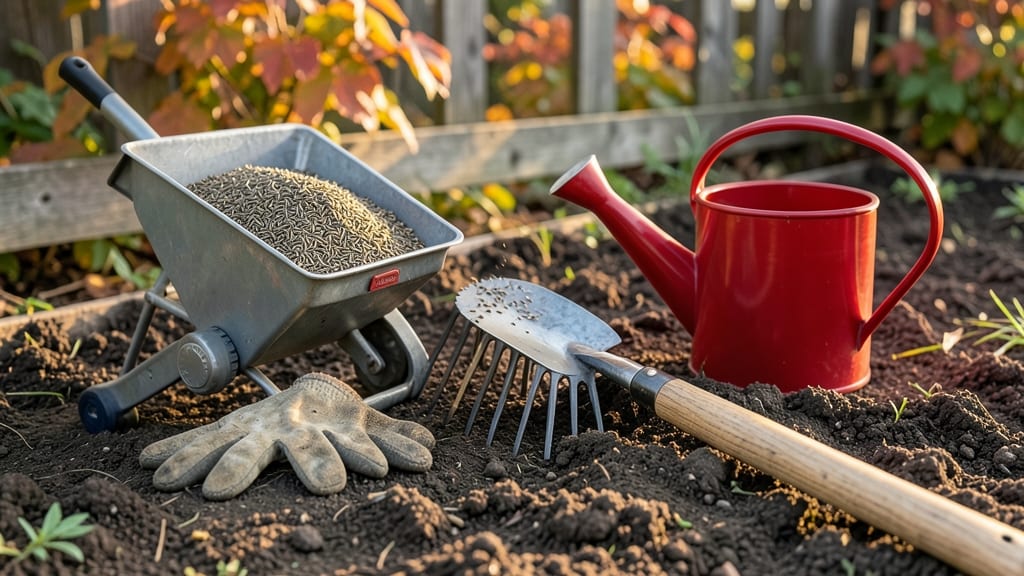
Planting grass seed in autumn gives you a head start on next year’s lush lawn—cooler temps and fewer weeds make this the perfect time to transform bare spots into thick, green coverage. 🌱 I’ve seen firsthand how autumn seeding can turn patchy grass into a vibrant carpet by spring, and it all starts with choosing the right cold-hardy varieties for your climate.
The secret to success? Timing and prep. Aim for late August through early October when soil stays warm enough for germination but air cools down—this gives seedlings time to establish roots before winter.
You’ll need a rake, compost, and a light layer of topsoil, but the real game-changer is selecting cool-season grasses like fescue or ryegrass, which thrive in northern climates and handle frost better than summer varieties.
Once planted, keep the soil consistently moist (not soggy) for the first 2-3 weeks, and resist the urge to mow until the grass reaches 3-4 inches tall. By spring, your lawn will outpace neighbors who seeded in spring, thanks to that early root growth.
The best part? Less competition from weeds in autumn means your grass gets the nutrients it needs from day one.
Whether you’re fixing a small bare patch or overseeding an entire yard, autumn is your chance to skip the summer struggle. Just remember: soil prep is key—loosen the top layer, level out low spots, and add compost for extra nourishment.
With the right variety and care, you’ll have a lawn that stays green even through winter’s chill.
📚 In This Guide
- What you need
- Instructions
- Tips and common mistakes
- Wrapping up and next steps
What you need
- ● Grass seed: Choose cold-hardy autumn varieties like tall fescue, perennial ryegrass, or fine fescue (10–20 lbs per 1,000 sq ft, depending on coverage needs).
- ● Lawn rake: A bendable-tine rake (8–12" wide) to loosen soil and remove debris.
- ● Broadcast spreader: For even distribution (or a hand spreader for smaller areas).
- ● Soil test kit: Check pH (ideal: 6.0–7.0) and amend if needed (lime or sulfur).
- ○ Compost or topsoil: ¼" layer to improve soil quality (optional but recommended for thin or compacted lawns).
- ● Water source: Garden hose with adjustable nozzle (or sprinkler for large areas).
- ● Fertilizer: Slow-release autumn blend (10-0-10 or 16-4-8) (½ lb per 100 sq ft).
- ● Mulching hay or straw: Light layer (⅛" thick) to protect seeds from birds and retain moisture.
- ● Seed starter fertilizer: Boosts germination (e.g., 10-20-20 blend).
- ● Lawn roller: Lightweight (100–150 lbs) to press seed into soil.
- ● Seed germination blanket: Biodegradable fabric to shield seeds from wind/erosion.
- ● Soil aerator: Core aerator (for compacted lawns) to improve seed-to-soil contact.
- ● Rain gauge or moisture meter: Monitor watering consistency.
Step-by-step instructions for planting grass seed in autumn
Autumn’s cooler weather and frequent rains create perfect conditions for grass seed to establish strong roots.
🪴 Step 1: Prepare the Soil for Planting
Start by clearing the area of any debris, weeds, or rocks using a rake or hoe. You’ll want a clean slate for the new grass to take hold. Loosen the top 4-6 inches of soil with a garden fork or tiller—this breaks up compacted layers so roots can penetrate easily.
Test the soil pH with a simple kit if possible. Most cool-season grasses prefer a pH between 6.0 and 7.0. If your soil is too acidic or alkaline, amend it with lime or sulfur before planting. A well-aerated, slightly acidic soil gives your grass the best start for winter survival.
🌱 Step 2: Spread Grass Seed Evenly
Use a broadcast spreader or hand-sow the seed in a crisscross pattern for even coverage. Follow the package instructions for the recommended seeding rate—typically 4-8 pounds per 1,000 square feet, depending on the grass type. I like to walk in one direction first, then perpendicular to catch any missed spots.
Lightly rake the seed into the soil with a stiff-bristled rake, pressing it just enough to make contact with the earth. This ensures good seed-to-soil contact without burying it too deep. Covering seed with more than ¼ inch of soil can prevent germination.
💧 Step 3: Water Gently and Consistently
Keep the soil surface moist but not soggy for the first 2-3 weeks—this is critical for germination. Water lightly twice daily if rainfall is insufficient, aiming for about ¼ inch of water per session. You’ll know you’re doing it right when the top inch of soil stays damp but not waterlogged.
Once the grass reaches 2-3 inches tall, gradually reduce watering to 1 inch per week. Overwatering now can lead to fungal issues, while underwatering stresses young roots. A sprinkler with a gentle mist setting works best to avoid disturbing the seed.
☀️ Step 4: Maintain and Protect New Growth
After germination, avoid heavy foot traffic on the new grass for at least 4-6 weeks. The blades are still fragile and can be easily damaged. If birds or wildlife become a problem, cover the area with lightweight netting until the grass is established.
Mow when the grass reaches 3-4 inches tall, then set your mower to 3 inches high to encourage deep root growth. Never remove more than ⅓ of the blade height at once—this prevents shock and promotes a thicker lawn.
⏰ Step 5: Prepare for Winter and Spring Care
As temperatures drop below 40°F, reduce watering to once every 10-14 days unless there’s a prolonged dry spell. Cold-hardy grasses like fescue and rye will stay green through winter, but avoid walking on frozen patches to prevent damage.
In early spring, resume regular watering and fertilizing once the soil warms to 50°F. A light application of slow-release fertilizer in late spring will give your lawn a strong start for the growing season. With proper autumn planting, you’ll have a lush, resilient lawn that outlasts summer heat and winter freeze.
Tips & tricks for perfect autumn grass seed planting
These simple strategies will help you avoid common mistakes and get the most out of your autumn lawn project.
Soil Prep Secret: Don't skip the soil test—many lawns need pH adjustment before planting. I've seen grass fail to establish because the soil was too acidic. If your pH is outside 6.0-7.0, add lime (to raise pH) or sulfur (to lower it) at least 2 weeks before planting to let it work into the soil properly. This small step makes all the difference for cold-hardy varieties.
Seed Coverage Technique: When raking seed into the soil in Step 2, aim for just enough pressure to make contact without burying. Think of it like dusting powder on a cake—light enough to keep it visible but firm enough to stick. The ¼-inch maximum rule prevents seeds from suffocating while still protecting them from birds and wind. A stiff-bristled rake works best for this delicate operation.
Watering Wisdom: Those first 2-3 weeks of twice-daily watering are non-negotiable for germination. I set a timer on my sprinkler for 10 minutes twice daily to ensure consistent moisture. The key is keeping the top inch damp—stick your finger in the soil to check. If it's dry at your first knuckle, water again. Overwatering here is better than underwatering, but soggy soil can cause rot.
Winter Protection: As temperatures drop below 40°F, switch to a gentle watering schedule of once every 10-14 days. Cold-hardy grasses like fescue and rye can handle winter, but don't walk on frozen patches—they'll break underfoot and take months to recover. A thin layer of straw mulch (about ½ inch) over newly seeded areas adds extra insulation during hard freezes.
Pro Tips for Grass Seed Autumn
- These simple strategies will help you avoid common mistakes and get the most out of your autumn lawn project.
- Soil Prep Secret: Don't skip the soil test—many lawns need pH adjustment before planting.
- Seed Coverage Technique: When raking seed into the soil in Step 2, aim for just enough pressure to make contact without burying.
Frequently asked questions
When is the best time to plant grass seed in autumn?
Late summer to early fall (typically August through October) is ideal. The soil stays warm enough for germination, while cooler air reduces stress on young grass. Aim for 4-6 weeks before your first frost—this gives roots time to establish before winter dormancy.
Will grass seed survive winter if planted in autumn?
Cold-hardy varieties (like tall fescue or ryegrass) are designed to thrive in autumn. The key is proper prep: seed before frost, water consistently, and avoid heavy foot traffic. Grass will go dormant in winter but bounce back in spring with a thicker, greener lawn.
How often should I water newly planted grass seed in autumn?
Keep soil consistently moist (not soggy!) for the first 2-3 weeks. Water lightly daily (about ¼ inch) or every other day if rain cooperates. Once seedlings sprout, gradually reduce to 1 inch per week. Early mornings are best to prevent fungal issues.
Can I overseed an existing lawn in autumn, or do I need to reseed bare spots?
Both work! Overseeding thickens thin lawns, while spot-seeding targets bare patches. For overseeding, mow short (1-1.5 inches), loosen soil slightly with a rake, and apply seed evenly. For bare spots, remove debris, loosen soil, and top with a thin layer of compost.
What if squirrels or birds eat my grass seed before it germinates?
Use a light straw mulch (¼ inch) to protect seed, or try a seed starter fertilizer with a repellent (like garlic or pepper-based options). Scatter seed on a windy day to help it settle, and avoid planting near bird feeders. Pro tip: Plant when wildlife is less active (early morning or overcast days).
Troubleshooting: My grass isn’t growing—what went wrong?
No sprouts after 3 weeks?
Check soil moisture (too dry or compacted?) or seed viability (test a pinch in water—it should swell).
Patchy growth?
Uneven soil prep or seed distribution? Rake lightly and reseed thin areas.
Mold or fungus?
Reduce watering or improve drainage. Fungicides (like neem oil) can help.
Most issues stem from soil prep or watering—double-check your method!
Wrapping up and next steps
Autumn is your golden opportunity to transform your lawn into a lush, resilient carpet—and cold-hardened grass seed is the secret weapon! 🌱 By choosing the right varieties, prepping your soil, and planting at the perfect time, you’ll enjoy a vibrant lawn that thrives through winter and beyond.
The key? Act now before frost sets in.
Ready to take the next step? Grab your gloves, pick your seed mix, and get planting—your future lawn will thank you! For extra confidence, check local planting zones or consult a lawn care pro to fine-tune your approach. Happy growing! 🌿