
Lawn
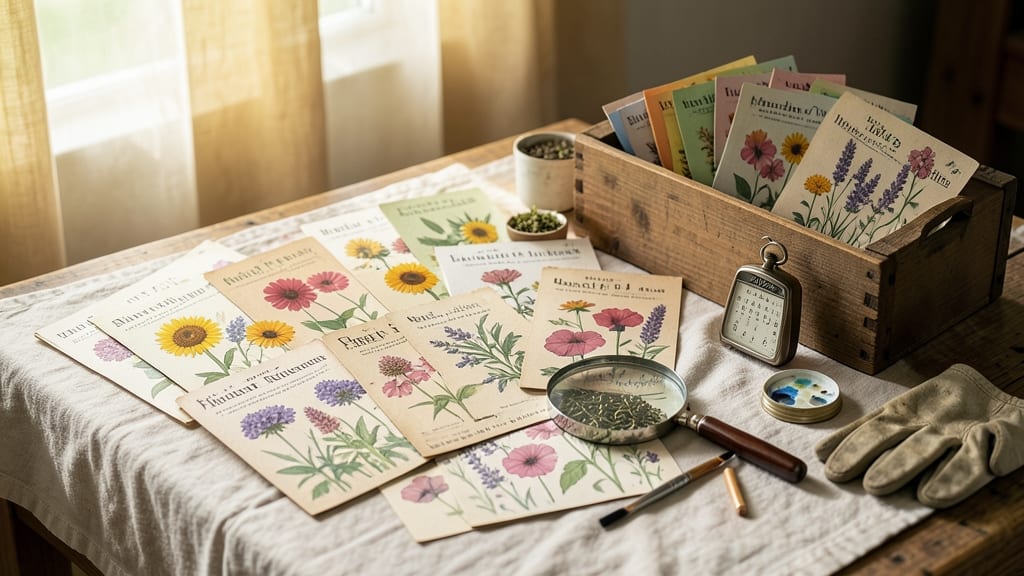
Flower seed catalogs for 2025 are your golden ticket to a garden bursting with colors you won't find at the big-box stores. 🌸 I've been ordering from these catalogs for years, and every season brings something new—whether it's disease-resistant roses, drought-tolerant perennials, or heirloom varieties that look like they belong in a storybook.
The best part? You can start planning now for a garden that will wow your neighbors next summer.
What makes these catalogs special isn't just the variety—it's the details. You'll find exact planting zones, bloom times, and even companion plant suggestions to maximize your garden's potential. Some catalogs even include tips for container gardening or small-space solutions, which is a game-changer if you're working with limited room.
The key is to look for catalogs that offer free seed samples or money-back guarantees—it takes the risk out of trying something new.
By ordering early, you'll secure the best selection and avoid the rush when everyone else starts browsing in spring. Imagine walking through your garden next June, surrounded by vibrant blooms that attract butterflies and hummingbirds all day long.
The catalogs also include planting calendars tailored to your region, so you won’t have to guess when to start seeds indoors or when to direct-sow outdoors.
Whether you're a seasoned gardener or just starting out, these catalogs make it easy to mix classic favorites with bold new varieties. Pro tip: Sketch out your garden layout now—some catalogs even offer digital planning tools to visualize your space before you buy.
Here’s how to make the most of your 2025 flower seed order!
📚 In This Guide
- What you need
- Instructions
- Tips and common mistakes
- Wrapping up and next steps
What you need
- ● Flower seed catalogs (2025 editions) – Choose 1-3 based on your garden size and variety preferences.
- ● High-quality seed packets – 50-200 packets (depending on garden size and diversity of flowers). Opt for heirloom, organic, or non-GMO seeds for best results.
- ● Garden plot or containers – At least 10-20 sq. ft. of garden space or 5-10 large containers (10-12 inches deep) for optimal growth.
- ● Well-draining soil – 1-2 cubic yards of potting mix or garden soil (amended with compost for nutrients).
- ● Watering can or hose with a gentle spray nozzle – Ensures even moisture without damaging seeds.
- ● Garden gloves – 1 pair (to protect hands from thorns or soil).
- ● Hand trowel or transplanter – For planting seeds at the correct depth (typically ¼ inch for small seeds, ½ inch for larger ones).
- ● Plant labels & markers – 50-100 labels to track varieties and planting dates.
- ● Sunlight access – A location with 6-8 hours of sunlight daily (adjust based on flower type).
- ● Seedling trays & grow lights – For starting seeds indoors 6-8 weeks before the last frost.
- ● Organic fertilizer – A balanced 10-10-10 or slow-release formula to boost growth.
- ● Mulch – Straw or wood chips to retain moisture and suppress weeds.
- ● Pest deterrents – Neem oil, row covers, or companion plants to protect blooms.
- ● Pruning shears – For deadheading or shaping plants as they grow.
- ● Garden journal – To log planting dates, progress, and notes for future seasons.
How to navigate flower seed catalogs for your 2025 garden
Here's how I turn seed catalogs into a personalized garden plan that thrives.
🌱 Step 1: Organize Your Garden Vision and Space
Start by sketching your garden layout on graph paper, marking sun exposure zones and existing features. I always note where mature plants will cast shade—this determines where sun-loving annuals like zinnias or sunflowers belong versus shade-tolerant perennials like impatiens. Measure each planting area and calculate square footage to avoid overcrowding (most catalogs list mature plant spacing).
Make three lists: "Must-Have" varieties, "Dream Plants" (for next year), and "Budget Stretchers" (seeds vs. transplants). I prioritize heirlooms for cutting gardens and disease-resistant varieties for high-traffic areas. Pro tip: Catalogs often group plants by color families—this helps create cohesive drifts in your design.
☀️ Step 2: Decode Catalog Descriptions and Growing Conditions
Pay close attention to the "days to maturity" and "height at maturity" measurements—these dictate planting timing and spacing. For example, a 60-day cosmos planted in early spring will bloom until frost, while a 90-day hollyhock needs staggered sowings. I highlight varieties labeled "self-cleaning" (like some zinnias) to reduce deadheading chores.
Note climate zone suitability—most catalogs specify USDA zones. If you're in Zone 7 but see a Zone 5 perennial, research its cold hardiness or plan it as an annual. Watch for terms like "heat-tolerant" or "drought-resistant" to match your microclimate. I always cross-reference with my local extension service's recommendations for tricky varieties.
📝 Step 3: Compare Varieties and Make Informed Choices
Look beyond the showy photos—compare seed counts, germination rates, and color consistency across catalogs. A packet labeled "1,000 seeds" might contain many tiny calendula seeds that germinate at 80%, while a "25 seeds" packet of snapdragons could be more cost-effective. I calculate cost per plant by dividing price by seeds per packet and germination rate.
Check for special features like "butterfly magnet," "long-lasting blooms," or "fragrant foliage" that align with your garden goals. Note whether varieties are open-pollinated (for saving seeds) or F1 hybrids (for guaranteed vigor). I flag varieties with "improved disease resistance" for my vegetable garden borders where pests are persistent.
⏰ Step 4: Plan Your Planting Timeline
Create a seasonal planting chart using the catalog's suggested dates. Most catalogs provide regional planting windows, but I adjust for my local frost dates and soil temperatures. For example, cool-season annuals like pansies need to be sown 6-8 weeks before the first frost, while tender perennials like salvia should wait until soil reaches 60°F.
Schedule succession plantings for continuous bloom. I mark my calendar with "sow every 3 weeks" reminders for lettuce and radishes, and "transplant in stages" notes for tomatoes. For perennials, note whether they're hardy in your zone or need winter protection. I always include a "reminder to order bulbs in early fall" note for spring-flowering varieties.
💡 Step 5: Verify Availability and Order Strategically
Check each catalog's shipping dates and minimum order requirements—some have "early bird" discounts for orders placed by December 1. I prioritize ordering seeds that need stratification or long germination periods first. Note whether catalogs offer seed-saving programs or organic certification for varieties you prefer.
Compare shipping costs and eco-packaging options—some catalogs include free seed envelopes or biodegradable pots. I always check for "seed swap" programs where you can trade extras with other gardeners. Before finalizing, I cross-reference my list with my seed inventory to avoid duplicate orders. Pro tip: Save catalogs digitally with notes on varieties you loved (or regretted) from previous years.
Tips & tricks for mastering 2025 flower seed catalogs
Here’s how to turn seed catalogs from overwhelming to your secret weapon for a showstopping garden.
Sun Exposure Strategy: Use a UV flashlight at dusk to map your garden’s sun patterns—this reveals microclimates catalogs won’t show. I’ve caught sun pockets hidden behind fences that now host my heat-loving zinnias. Mark these zones directly on your sketch with colored pencils (yellow for full sun, blue for shade) to instantly visualize plant placement. This visual approach prevents the "I planted everything in the same spot" mistake.
Catalog Cross-Referencing: Never buy a variety without checking three catalogs for consistency in descriptions. I once ordered a "self-cleaning" zinnia that required weekly deadheading—turns out two catalogs called it "self-cleaning" while the third specified it needed regular maintenance. Always note whether terms like "disease-resistant" are manufacturer claims or field-tested results. Pro tip: Look for catalogs that include customer photos of mature plants to verify height and bloom size claims.
Budget Optimization: Calculate your cost per plant by dividing the packet price by seeds per packet, then multiply by germination rate (usually 70-90%). A $3 packet of 1,000 marigold seeds costs just 0.3¢ per plant, while a $4 packet of 25 snapdragons costs 16¢ each—this math reveals the real budget stretchers. I prioritize buying seeds by the pound for heirloom varieties where quantity matters more than variety selection.
Seasonal Timing: Set calendar reminders for each catalog’s recommended planting windows, but adjust for your specific frost dates. For example, if your catalog says "sow 6-8 weeks before frost" but your zone has unpredictable springs, err on the earlier side (8 weeks) for cool-season crops. I keep a garden journal noting actual planting dates versus catalog suggestions—this becomes your personalized planting timeline over time.
Pro Tips for Flower Seed Catalogs 2025
- Here’s how to turn seed catalogs from overwhelming to your secret weapon for a showstopping garden.
- Sun Exposure Strategy: Use a UV flashlight at dusk to map your garden’s sun patterns—this reveals microclimates catalogs won’t show.
- Catalog Cross-Referencing: Never buy a variety without checking three catalogs for consistency in descriptions.
Frequently asked questions
Got questions about ordering flower seeds for 2025? You’re not alone! Here are the most common queries—and the answers you need to plan your dream garden with confidence.
What’s the best time to order flower seeds for 2025?
Order now (late 2024) for the widest selection and early-bird discounts! Most catalogs ship seeds in late winter/early spring, so plan to receive them 4–8 weeks before your last frost date. Pro tip: Check the catalog’s “planting timeline” for region-specific guidance.
Are flower seed catalogs more expensive than buying seeds online?
Not necessarily! Catalogs often bundle seeds with gardening tools or offer loyalty discounts. Compare prices per seed packet—some catalogs (like Burpee or Park Seed) beat big-box stores on heirloom/rare varieties. Watch for multi-packet deals too!
Can I still grow flowers if I don’t have a big yard?
Many 2025 catalogs feature container-friendly seeds (e.g., cherry tomatoes, nasturtiums, or pansies) and vertical garden kits. Look for labels like “patio-ready” or “balcony blooms.” Even a sunny windowsill can host herbs or microgreens!
What if my seeds arrive late or don’t germinate?
Most reputable catalogs include germination guarantees—contact them within 30 days if seeds fail. For late shipments, opt for fast-sprouting varieties (e.g., radishes, lettuce) or start indoors with grow lights. Save seeds from successful plants for next year!
Do 2025 catalogs offer seeds for drought-resistant gardens?
Yes! Search for “xeric” or “arid-climate” sections in catalogs like Seed Savers Exchange or Baker Creek. Top picks include lavender, yucca, sedum, and blanket flower. Pair with mulch and drip irrigation for best results.
Wrapping up and next steps
The world of flower seed catalogs 2025 is brimming with possibilities—from rare heirlooms to drought-resistant beauties, your garden’s next chapter is just a packet away! 🌸 Whether you’re drawn to bold blooms or low-maintenance wonders, these curated selections make planning your dream garden easier than ever.
Now’s the time to dream, sketch, and order—your future garden is waiting for your touch.
Next step: Bookmark your favorites, set a planting timeline, and let your creativity bloom! 🌱 Start browsing today to claim your spot in the 2025 gardening revolution.