
Lawn
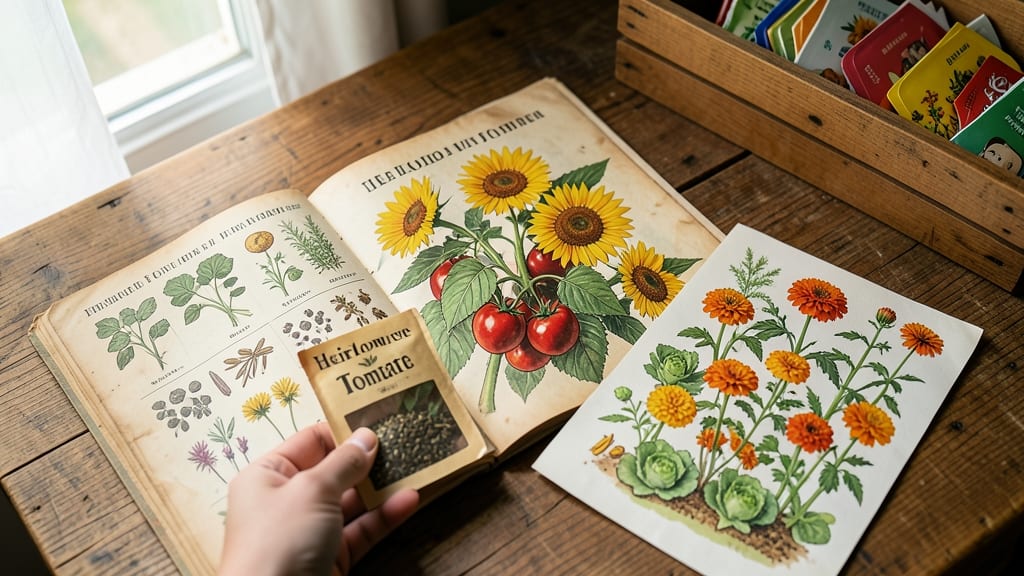
Free garden seed catalogs are your golden ticket to a year-round variety without spending a dime. 🌱 I still remember the thrill of flipping through my first catalog as a kid—imagining the possibilities while learning about plants I’d never seen before.
These catalogs aren’t just free; they’re packed with knowledge, variety, and inspiration for every gardener, from beginners to seasoned growers.
You’ll discover heirloom varieties, rare vegetables, and flowers tailored to your climate zone—all while saving money. Many seed companies, nonprofits, and even government programs offer them for free, so you can plan your garden without breaking the bank.
Think of them as a gardener’s library, where every page holds the potential for your next harvest.
Using them effectively means matching seeds to your growing season, understanding germination times, and even learning organic growing tips. My first catalog led me to grow a tomato variety I’d never heard of—and it became my garden’s star performer.
The best part? You’re not just getting seeds; you’re getting a lesson in horticulture with every page.
Whether you’re a city dweller with a balcony or a rural homesteader, these catalogs adapt to your space and goals. Start collecting them today, and let your garden become the vibrant, diverse space you’ve always dreamed of—without the cost.
📚 In This Guide
- What you need
- Instructions
- Tips and common mistakes
- Wrapping up and next steps
What you need
- ● Computer, tablet, or smartphone – For browsing and ordering catalogs (Wi-Fi recommended for online access).
- ○ Printer (optional but handy) – If you prefer physical copies of seed listings (ink not required for digital access).
- ● Notebook or planner – To jot down seed varieties, planting zones, and deadlines (1-2 per household).
- ● Highlighters or sticky notes – For marking favorite seeds or notes (3-5 colors for organization).
- ● Mailing address (if ordering physical seeds) – Some free catalogs include free seed packets—just check the fine print! 📬
- ● Seed starting supplies – Trays, soil, and grow lights (if you’re eager to kickstart early planting).
- ● Garden journal – For tracking seed sources, germination dates, and yields (great for future planning!).
- ● Planting calendar – To align seed orders with your local frost dates (free templates online!).
- ● Community garden access – If you’re sharing seeds or swapping catalogs with neighbors! 👫
How to access free garden seed catalogs year-round
Here's my favorite way to get free seeds without spending a dime—just time and a little strategy.
🌱 Step 1: Identify Trusted Free Seed Sources
Start with well-known companies that offer free seed catalogs or seed packets. Baker Creek Heirloom Seeds, Seed Savers Exchange, and Burpee all provide free catalogs by mail or online. I always check their websites first—they often list specific varieties available for free, like heirloom tomatoes or colorful peppers. Some seed companies also partner with gardening magazines, so I keep an eye on those too.
Real talk: not all free seeds are created equal. Some companies offer only a few varieties, while others provide full catalogs with hundreds of options. I recommend starting with Seed Savers Exchange—they're generous with their free seeds and focus on heirloom varieties that thrive in many climates.
☀️ Step 2: Request Catalogs Online or by Mail
Most companies let you request free catalogs directly from their websites. Simply fill out a short form with your name, address, and email. I always double-check the request page because some sites require you to opt into their newsletter or specify which catalog you want—like vegetable, flower, or herb.
If you prefer physical catalogs, many companies still mail them for free. I’ve found that older gardeners or those without internet access often get the thickest, most detailed catalogs this way. Just be patient—some catalogs take 2-3 weeks to arrive, especially during peak seasons.
📦 Step 3: Claim Free Seed Packets Strategically
Once you have your catalog, look for the "free seeds" or "gift seeds" section. Companies often include small packets with their catalogs or require you to make a purchase (even just $1) to unlock free seeds. I always start with the easiest-to-grow varieties—like lettuce, radishes, or marigolds—so I don’t get discouraged if germination isn’t perfect.
Here’s the thing—some free seeds come with conditions. For example, you might need to buy a catalog or sign up for a mailing list to qualify. I’ve also seen companies offer free seeds in exchange for reviews or social media shares. Weigh the trade-off: is the seed worth the small commitment?
⏰ Step 4: Plan Your Seed Order Around Free Offers
Timing is everything when it comes to free seeds. Many companies release their free seed offers in late winter or early spring, aligning with planting seasons. I mark these dates on my calendar so I don’t miss out. For example, Baker Creek often sends free seed packets in January, while Seed Savers Exchange might have summer-specific offers for late-season crops.
Don’t forget to check local gardening clubs, libraries, and even seed swaps. Some clubs host seed giveaways or partner with seed companies to distribute free packets. I’ve scored some of my best free seeds this way—just ask around or join a local group online.
🌿 Step 5: Store and Use Free Seeds Properly
Free seeds are just as viable as paid ones, but they often come in tiny packets. I transfer them to small envelopes or repurpose old spice jars for better organization. Label each packet with the variety name, germination date, and planting instructions—some free seeds have unique care requirements.
Most seeds stay good for 1-2 years if stored in a cool, dry place. I keep mine in my fridge until planting season. If you’re unsure about a seed’s age, do a quick germination test: plant a few in a damp paper towel and check for sprouts in 5-7 days. This way, you won’t waste time planting seeds that might not grow.
Tips & tricks for perfect free garden seed catalog access
Want to maximize your free seed catalog haul without missing a beat? These insider tricks will help you secure the best varieties and avoid common pitfalls along the way.
Company Selection Strategy: Focus on Seed Savers Exchange and Baker Creek Heirloom Seeds first—they consistently offer the most diverse free seed varieties. I’ve found that Seed Savers Exchange often includes rare heirloom options that you won’t find elsewhere. Always check their websites for seasonal promotions, as they sometimes highlight limited-time free seeds that disappear quickly.
Request Timing Secret: The 2-3 week delivery window mentioned in Step 2 is your best friend. Plan ahead by requesting catalogs in early December if you want spring planting varieties. I’ve learned the hard way that last-minute requests might miss seasonal free seed offers. Pro tip: Set calendar reminders for these companies' typical release dates—Baker Creek’s January packets often include their most popular varieties.
Catalog Organization Hack: When you receive your catalog, immediately highlight the "free seeds" section with a yellow marker. This saves time when you’re ready to order. I also keep a spreadsheet tracking which companies offer what varieties—this helps me prioritize requests based on what I actually want to grow. Don’t overlook the fine print: some free seeds require a minimum purchase, while others come with catalog orders.
Local Networking Payoff: Your local gardening club might be the hidden gem you’re missing. Many clubs host annual seed swaps where members bring extra seeds to share. I’ve gotten some of my best free seeds this way—including rare varieties that weren’t even in the catalogs. Check community bulletin boards at libraries or hardware stores too; they often post notices about upcoming seed giveaways.
Pro Tips for Free Garden Seed Catalogs
- Want to maximize your free seed catalog haul without missing a beat?
- Company Selection Strategy: Focus on Seed Savers Exchange and Baker Creek Heirloom Seeds first—they consistently offer the most diverse free seed varieties.
- Request Timing Secret: The 2-3 week delivery window mentioned in Step 2 is your best friend.
Frequently asked questions
about free garden seed catalogs—because every gardener deserves clarity! Here are answers to the most common queries to help you grow with confidence.How do I get free garden seed catalogs without buying anything?
Many seed companies and gardening organizations offer free catalogs as a way to introduce their products. Visit their websites, sign up for newsletters, or call their customer service lines. Some libraries and local gardening clubs also distribute them! Always check for fine print—some may require a small fee for shipping.
When is the best time to order seeds from free catalogs?
Timing depends on your climate and the seeds you want. For most regions, order cool-season crops (like lettuce or spinach) in early spring or late summer, and warm-season crops (like tomatoes or peppers) in late winter or early spring. Always check the seed packet’s recommended planting dates to avoid delays or missed seasons!
Are free seed catalogs really worth it if they’re just ads?
Free catalogs are treasure troves of inspiration, variety, and educational tips. They often feature heirloom, organic, and rare seeds you won’t find elsewhere. Plus, many include growing guides, regional planting charts, and even DIY tips—making them a gardener’s best friend for free!
Can I find free seed catalogs for specific climates or regions?
Yes! Some catalogs specialize in seeds tailored to your hardiness zone. Look for catalogs from local seed banks, state agricultural extensions, or regional gardening groups. Websites like the Seed Savers Exchange also offer zone-specific resources. Always filter by your USDA zone for the best matches!
What if I don’t want to wait for a free catalog—are there alternatives?
No problem! Try these quick fixes:
- Digital catalogs: Many companies (like Baker Creek) offer online PDFs.
- Seed swaps: Join local gardening groups or Facebook communities for free seed exchanges.
- Library resources: Some libraries lend seed catalogs or gardening books.
- YouTube channels: Channels like Gardening Channel often share seed recommendations.
Wrapping up and next steps
Ready to transform your garden into a vibrant, cost-free paradise?
Free garden seed catalogs are your golden ticket to year-round variety without breaking the bank—just a little planning and patience! 🌱 Whether you're a seasoned green thumb or a curious beginner, these resources open doors to unique, heirloom, and rare seeds that can elevate your gardening game.
Your next step? Dive in! Start by browsing a few catalogs, jot down your favorites, and sketch a simple garden layout. Then, gather your supplies and get planting—your future harvest (and savings) will thank you. Happy gardening! 🌿