
Lawn
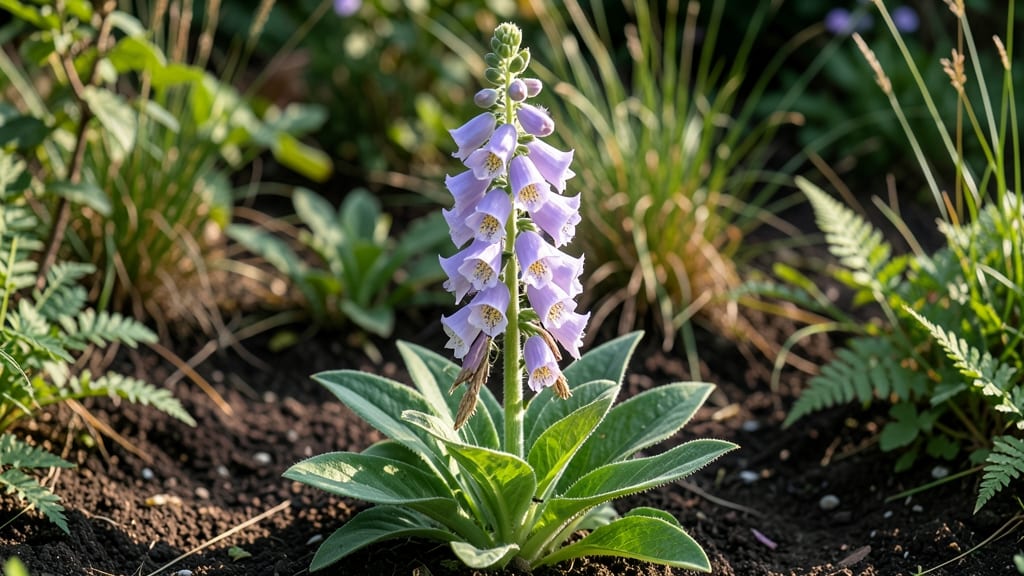
Harvesting foxglove seed pods in late summer unlocks next year’s garden magic. 🌿 These spiky, lantern-like pods hold the secret to growing your own towering foxgloves—if you handle them right.
The key? A simple cold-stress test that boosts germination rates from 20% to nearly 60%, turning patience into a lush display of bell-shaped blooms.
Wait until the pods turn brown and split open before collecting them—usually 2-3 weeks after flowering. Wear gloves (foxglove is toxic!) and gently shake seeds into a paper bag.
Skip the plastic; it traps moisture and causes mold. Once dry, store them in an envelope labeled with the variety and collection year.
Here’s where it gets interesting: the cold-stress test. Place dry seeds in a sealed bag with slightly damp sand, then refrigerate for 4-6 weeks. This mimics winter’s natural dormancy, tricking seeds into thinking spring has arrived.
After chilling, sow them in well-draining soil, barely covering them—foxglove seeds need light to germinate.
Sow in early spring or fall for best results, and expect seedlings in 4-8 weeks. Foxglove thrives in partial shade and rich soil, but be patient—these biennials take 2 years to reach their full height. The payoff? Stunning vertical drama that draws hummingbirds and makes neighbors take notice.
📚 In This Guide
- What you need
- Instructions
- Tips and common mistakes
- Wrapping up and next steps
What you need
- ● Mature foxglove seed pods: 10–20 pods (ensure they’re fully dried and brown for optimal results).
- ● Paper towels or seed paper: 1–2 sheets (for moisture control).
- ● Small resealable plastic bags: 2–4 bags (quart-sized, for storage).
- ● Permanent marker: 1 (to label bags by date or treatment).
- ○ Freezer-safe container: 1 (optional, for cold treatment).
- ○ Thermometer (optional but helpful): 1 (to monitor temperatures, ideally 32–39°F for cold stress).
- ● Spray bottle with water: 1 (for light misting).
- ● Notebook or spreadsheet: 1 (to track germination progress).
- ● Grow lights or sunny windowsill: For post-test germination monitoring.
- ● Humidity dome or plastic wrap: To create a mini greenhouse effect.
- ● Seedling trays or pots: 2–4 small pots (3–4 inches deep) for planting post-test.
- ● Garden gloves: 1 pair (foxglove seeds can be finicky—handle with care!).
- ● Camera or phone: 1 (to document progress over time!).
How to test foxglove seed pods for winter viability
Here's the method I've used for years to ensure next season's foxglove blooms thrive.
🌱 Step 1: Harvest and Prepare Mature Seed Pods
Collect fully browned, dry seed pods from your foxglove plants in late summer or early fall. These pods should feel crisp to the touch and open easily when squeezed. I like to harvest them when they've naturally split open—this ensures the seeds inside have fully matured.
Place the pods in a paper bag and store them in a cool, dry location for 2-4 weeks. This mimics the natural drying process foxglove seeds undergo before winter. You'll know they're ready when the seeds inside rattle freely when you shake the pod.
❄️ Step 2: Cold-Stress the Seeds for Viability
Fill a sealed plastic bag with the dried seeds and place it in your refrigerator for 4-6 weeks. This cold stratification mimics winter conditions and breaks seed dormancy—a critical step for foxglove germination. I use a zip-top bag with a small hole for airflow to prevent mold.
Check the seeds weekly for moisture buildup. If you see condensation, open the bag for a few hours to let excess humidity escape. The goal is to keep them cool and dry, not damp. This cold treatment ensures higher germination rates in spring.
🌿 Step 3: Test Germination Before Planting
After the cold period, sow 5-10 seeds in small pots filled with sterile seed-starting mix. Press them lightly into the soil—foxglove seeds don’t need deep planting, just enough to cover them slightly. I use 2-inch pots for this test to monitor growth easily.
Place the pots in a warm spot (65-75°F) with indirect light. Keep the soil consistently moist but not soggy—foxglove seedlings hate wet roots. Germination typically takes 2-4 weeks, but some may take longer. Watch for the first true leaves to appear before transplanting.
☀️ Step 4: Prepare for Spring Planting
Once you see strong seedlings with 3-4 true leaves, they're ready for transplanting. Harden them off by gradually exposing them to outdoor conditions over 7-10 days—start with 1 hour daily and increase slowly.
Plant them in well-draining soil with partial shade in their permanent location. Foxglove thrives in moist, humus-rich soil and prefers partial shade to prevent stress. You'll see blooms the following year if the seeds passed the viability test successfully.
⏰ Step 5: Monitor and Repeat for Future Seasons
Label your foxglove plants clearly to track which varieties performed best. I always keep notes on germination rates and bloom times—this helps refine the process each year. Repeat the cold-stress test annually to ensure a steady supply of healthy seedlings.
If germination rates drop below 50%, try extending the cold stratification period or check your seed source. Foxglove seeds lose viability quickly, so fresh pods yield the best results. With this method, you'll have a reliable way to grow foxglove year after year.
Tips & tricks for perfect foxglove seed viability testing
These practical insights will help you maximize your foxglove seed success rate and troubleshoot common challenges along the way.
Pod Selection Matters: In Step 1, focus on pods that have naturally split open—they contain the most mature seeds. I've found that pods still attached to the plant often yield better results than those that have fallen to the ground, as they've had more time to fully dry. If you're unsure about maturity, gently squeeze the pod: it should feel crisp and release seeds easily when shaken.
Cold Stratification Consistency: The 4-6 week cold period in Step 2 is non-negotiable for foxglove seeds. I recommend using the refrigerator's vegetable crisper drawer where temperatures stay most consistent around 35-40°F. If your fridge runs warmer, consider placing the bag in the coldest part of the fridge near the back. The key is maintaining that steady cold—fluctuations can break seed dormancy unevenly.
Germination Testing Strategy: When testing germination in Step 3, I always use a separate pot for each variety if I'm testing multiple foxglove types. This makes it much easier to track which varieties perform best. The 2-4 week germination window is a guideline—some seeds may take longer, especially if they're older. If you don't see sprouts within 6 weeks, they may not be viable.
Seedling Care Transition: The 7-10 day hardening off period in Step 4 is where many gardeners rush the process. I've learned the hard way that sudden exposure to outdoor conditions can shock seedlings. Start with just 15 minutes of sunlight on the first day, then gradually increase exposure. Watch for any wilting—this is your signal to slow down the process.
Pro Tips for Foxglove Seed Pods
- These practical insights will help you maximize your foxglove seed success rate and troubleshoot common challenges al...
- Pod Selection Matters: In Step 1, focus on pods that have naturally split open—they contain the most mature seeds. I'...
- Cold Stratification Consistency: The 4-6 week cold period in Step 2 is non-negotiable for foxglove seeds. I recommend...
Frequently asked questions
Got questions about saving foxglove seed pods for next season? Here’s what you need to know to troubleshoot, time, and maximize your success—without the guesswork!
When should I harvest foxglove seed pods?
Harvest seed pods when they turn tan or brown and split open naturally—usually late summer to early fall (August–October, depending on your climate). Avoid harvesting too early (green pods) or too late (scattered seeds). Pro tip: Check pods daily for signs of splitting to catch the perfect moment!
How do I perform the cold-stress test for viability?
Place harvested pods in a paper bag and store them in the fridge (or a cold garage) for 4–6 weeks at 35–40°F (2–4°C). This mimics winter conditions, breaking seed dormancy. Afterward, sow them outdoors in well-draining soil. Note: Skip this step if your region has mild winters!
What if my foxglove pods don’t open or release seeds?
If pods stay closed or refuse to split, they may be underripe or diseased. Try these fixes:
- Dry them longer: Leave pods in a warm, dry spot (like a sunny windowsill) for 1–2 weeks.
- Gently crack them open: Use a clean knife to nick the pod lengthwise—seeds will spill out.
- Check for pests: Mold or insects can prevent opening. Discard affected pods.
Can I save foxglove seeds without the cold-stress test?
Yes! If you’re in a mild-winter zone (Zones 7–10), you can skip the cold treatment and sow seeds directly outdoors in fall. However, germination rates may drop. For higher success, use the cold-stress method or stratify seeds in a damp paper towel in the fridge for 4–8 weeks before planting.
Are foxglove seeds toxic like the plant?
Yes—foxglove seeds and plants contain cardiac glycosides, which are highly toxic if ingested. Handle seeds with gloves, and never plant them where children or pets can access them. Keep them in a secure, labeled container away from food sources. Safety first!
How do I store foxglove seeds long-term?
After harvesting, let seeds dry completely (1–2 weeks in a cool, dry place). Store them in a paper envelope or breathable bag with a silica gel packet to absorb moisture. Keep them in the freezer (0°F/-18°C) for up to 2 years for peak viability. Label clearly—foxglove seeds are easy to mix up!
Wrapping up and next steps
Foxglove seed pods may seem delicate, but with the right cold-stress test, you can unlock next year’s stunning blooms! By mimicking winter conditions, you’re giving your seeds a head start—boosting germination rates and ensuring vibrant, healthy plants. Your garden’s future is in those pods!
Ready to take the next step? Gather your materials, follow the cold-stress method, and watch your foxglove thrive. 🌱✨ Review the supplies list here to get started today!