
Lawn
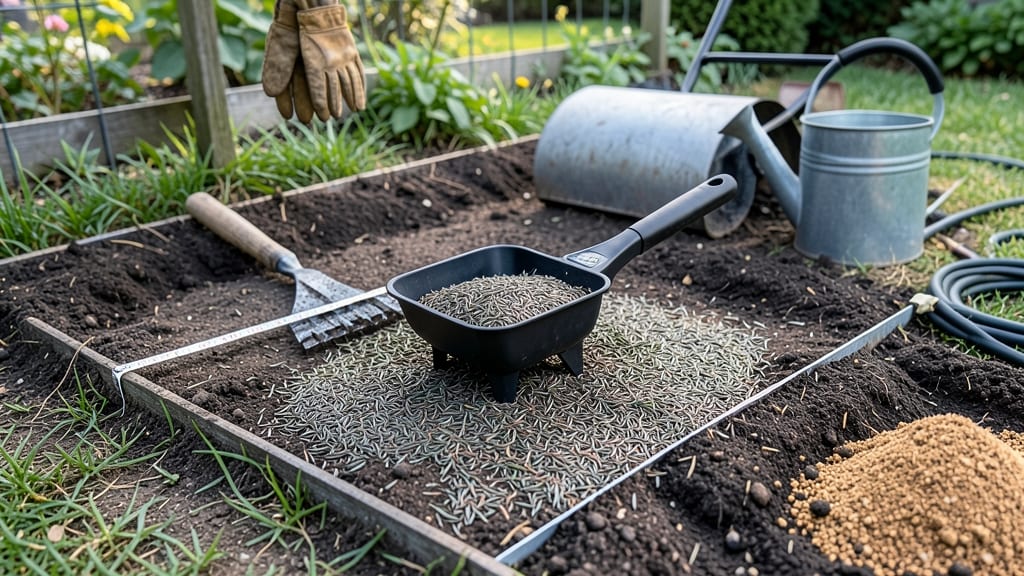
Autumn is the secret weapon for growing grass that outlasts summer droughts. ✨ The cooler temperatures and frequent rain create perfect conditions for seeds to germinate and establish strong roots before winter—something spring planting can't match.
I've seen bare patches transform into thick, green lawns by spring just by timing this right.
You'll need a few simple supplies: grass seed suited to your climate, a rake for soil prep, and a sprinkler or hose for consistent moisture. The key is working when soil temps are between 50-65°F—too warm and seeds dry out, too cold and they rot.
Most regions can plant from late August through October, but check your last frost date to aim for 6-8 weeks before winter.
Once planted, expect to see sprouts in 7-21 days**, depending on the seed type. The first year is all about nurturing those roots—watering deeply twice a week and avoiding foot traffic. By next spring, you'll have a lawn that stays lush when others struggle, thanks to that early head start.
This method works for new lawns or patching bare spots, and it's especially effective in cooler climates like the Northeast or Pacific Northwest. For warmer zones, focus on early autumn planting to beat the heat. Let's get that grass growing!
📚 In This Guide
- What you need
- Instructions
- Tips and common mistakes
- Wrapping up and next steps
What you need
- ● High-quality grass seed: Choose a cool-season variety (e.g., Kentucky Bluegrass, Fescue, or Ryegrass) tailored to your climate. Quantity: ~5–10 lbs per 500 sq ft (check seed bag for exact rates).
- ○ Lawn soil test kit: Test your soil’s pH and nutrient levels (ideal pH: 6.0–7.0 for most grasses). Optional: Adjust with lime (to raise pH) or sulfur (to lower pH).
- ● Lawn fertilizer: A slow-release, autumn-specific formula (e.g., 10-0-10 or 12-4-8). Quantity: ~1 lb of nitrogen per 1,000 sq ft.
- ● Rake (bow or stiff-bristle): For removing debris and loosening soil. Size: 18–24" width.
- ○ Broadcast spreader: For even seed distribution. Optional: Hand spreader for small areas.
- ● Lawn roller (lightweight): 50–75 lb capacity to press seed into soil.
- ● Water source & hose: With a fine-mist nozzle for gentle watering.
- ○ Mulching mats (optional): Protects seed from birds and erosion (use if seeding in windy areas).
- ● Soil conditioner (compost or peat moss) to improve drainage.
- ● Pre-emergent herbicide (apply after seeding to prevent weeds).
- ● Knee pads or a comfortable stool for long sessions!
- ● Weather forecast app to pick the perfect seeding window (cool temps, no rain for 24–48 hours).
Step-by-Step instructions for planting grass seed in autumn
Autumn’s mild temperatures and frequent rains create perfect conditions for grass seed to establish deep roots before winter.
🪴 Step 1: Prepare the Soil for Optimal Seed Contact
Start by mowing your lawn as short as possible—about 1 inch high—to remove dead grass and debris. This exposes the soil to sunlight and air, which helps the new seeds make better contact. Use a rake to loosen the top ¼ inch of soil, breaking up any compacted areas where water might pool.
For bare spots or thin areas, remove all existing grass and loosen the soil to a depth of 2-3 inches. This ensures seeds can settle into loose soil rather than sitting on hard, compacted ground. If your soil feels dry, lightly water the area before raking to help it crumble more easily.
🌱 Step 2: Spread Grass Seed Evenly for Full Coverage
Divide your grass seed into two equal portions. Walk in one direction and spread the first half of the seed lightly over the prepared area, using a broadcast spreader or your hand to distribute it evenly. Walk in a perpendicular direction and spread the second half to ensure no gaps exist. This double-pass method guarantees full coverage without overlapping too heavily.
For small patches, sprinkle seeds by hand, holding the bag a few inches above the soil and letting them fall naturally. Avoid clumping seeds together—this creates thick patches that may struggle to germinate. Lightly rake the area again to press seeds into the soil, ensuring good contact without burying them too deep.
💧 Step 3: Water Gently and Consistently for Germination
Water the seeded area immediately after planting, using a fine mist or gentle spray to avoid displacing the seeds. Keep the soil moist—never soggy—for the first 2-3 weeks, which is critical for germination. Water lightly every day if rainfall is insufficient, aiming for about ¼ inch of water per day. You’ll know moisture is right when the top inch of soil feels damp but not saturated.
Once the grass reaches 2-3 inches tall, gradually reduce watering to 1 inch per week to encourage deep root growth. Avoid heavy watering at this stage—it can wash away seeds or cause them to float away. If possible, water in the early morning to allow foliage to dry before evening, reducing disease risk.
☀️ Step 4: Maintain and Protect New Growth Through Winter
As your new grass begins to establish, avoid walking on it until it reaches 3-4 inches tall to prevent damage to delicate roots. If birds or animals disturb the area, cover it with a lightweight mesh or netting until the grass is firmly rooted. In cooler climates, a thin layer of straw mulch can protect seeds from frost while allowing sunlight to reach them.
By late autumn, your new grass should be well-rooted but still dormant. In spring, resume regular mowing once the grass reaches 3-4 inches and water deeply during dry spells. The roots you’ve nurtured now will support a thicker, greener lawn all season long.
Tips & tricks for perfect autumn grass planting
Took me a while to figure these out, so here goes—these tricks will help you avoid common pitfalls and get that lush lawn you're dreaming of.
Soil Prep Secret: In Step 1, when you're loosening the top ¼ inch of soil, don't just scratch the surface. Use a garden fork to gently break up compacted layers deeper down—this creates tiny air pockets that help seeds breathe. For clay-heavy soil, mix in a thin layer of compost before seeding to improve drainage and root penetration.
Seed Distribution Technique: For Step 2, I learned this the hard way: don't rely solely on hand-spreading for large areas. Rent a broadcast spreader for even coverage, then walk diagonally across the lawn to catch any missed spots. If you're seeding a slope, spread seeds horizontally first, then vertically to prevent runoff. The double-pass method in the instructions works, but a third pass at a 45-degree angle catches every last inch.
Watering Wisdom: During the critical 2-3 week germination period in Step 3, set a timer for your sprinkler to run for exactly 10 minutes every morning. This delivers that precise ¼ inch of water without over-saturating. If your soil feels dry after 10 minutes, add 5 more minutes—but never let water pool. A simple rain gauge (or even a tuna can buried in the soil) helps track moisture levels perfectly.
Winter Protection Hack: When covering seeds with mesh in Step 4, use lightweight landscaping fabric instead of heavy plastic. It allows sunlight and water through while keeping out birds. In windy areas, secure the edges with small stakes or rocks to prevent blowing away. This simple upgrade can mean the difference between success and failure in exposed locations.
Pro Tips for Planting Grass Seed In Autumn
- Took me a while to figure these out, so here goes—these tricks will help you avoid common pitfalls and get that lush lawn you're dreaming of.
- Soil Prep Secret: In Step 1, when you're loosening the top ¼ inch of soil, don't just scratch the surface.
- Seed Distribution Technique: For Step 2, I learned this the hard way: don't rely solely on hand-spreading for large areas.
Frequently asked questions
Got questions about planting grass seed in autumn? You’re not alone! Here are some of the most common concerns—and their answers—to help you get started with confidence.
When is the exact best time to plant grass seed in autumn?
The ideal window is 4–6 weeks before your first hard frost (typically late September to early November in most U.S. regions). This gives seeds time to germinate and establish roots before winter slows growth. Check your USDA Plant Hardiness Zone for local timing tips!
Can I still plant grass seed if frost is already in the forecast?
Yes, but act fast! If frost is imminent, cover seeds lightly with straw or mulch to protect them until temperatures rise. Avoid planting if nighttime temps drop below 40°F (4°C)—seeds won’t germinate in cold soil. Spring is your backup plan if autumn planting gets delayed.
Is autumn seeding cheaper than spring? What’s the catch?
Autumn seeding is often 20–30% cheaper because fewer people do it, and seed prices drop. The catch? Weeds and pests are less competitive in cooler weather, so your success rate jumps. Plus, established autumn lawns outperform spring-planted ones by 30–50% in long-term resilience!
What if my lawn already has weeds? Should I kill them first?
Skip the herbicide! Pre-emergent weed killers won’t harm new grass seeds, but post-emergent ones will. Instead, hand-pull weeds before planting or use a corn gluten meal pre-emergent (safe for seeds). Mulch lightly after seeding to smother weeds naturally.
Can I overseed an existing lawn in autumn, or do I need to reseed bare spots?
Both work! For overseeding, mow low (1–1.5 inches), rake, and spread seed evenly. For bare spots, loosen soil, add compost, and plant seed directly. Water lightly daily (not soaked) to encourage even growth. Overseeding thickens lawns; spot-seeding fills gaps.
What do I do if my new grass turns brown or dies over winter?
Don’t panic—it’s dormant, not dead! Brown grass in winter is normal unless it’s crunchy or mushy (signs of rot). Avoid walking on it until spring, and reduce watering to once a week (unless drought hits). Once temps rise above 50°F (10°C), water lightly and fertilize to wake it up!
Still unsure? Drop your question in the comments—we’re happy to help!
Wrapping up and next steps
Autumn is your secret weapon for a thick, vibrant lawn—cooler temps, fewer weeds, and perfect soil conditions make it the ideal time to plant grass seed.
By following these steps—prepping the soil, choosing the right seed, and giving your lawn consistent care—you’ll set the stage for a stunning spring lawn that’ll make your neighbors green with envy! 🌱
Ready to roll up your sleeves? Grab your tools and start planting! Your future lawn will thank you—one blade at a time. 🌿